
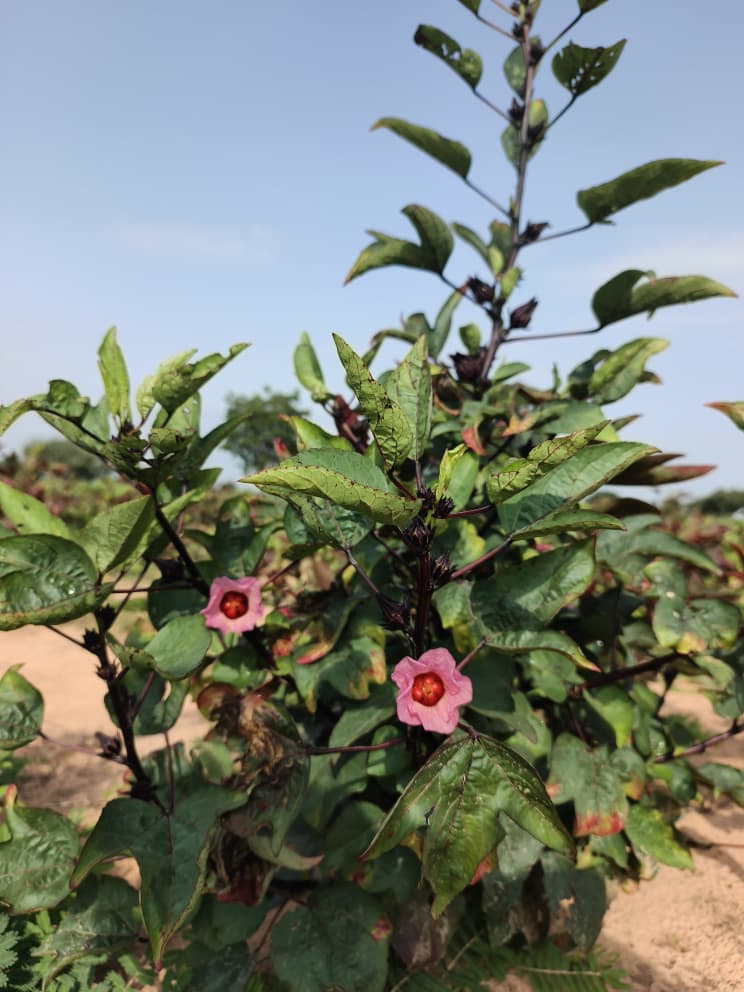
- A Botanical Ingredient With a Distinct Character
- Color Can Influence Product Design
- Its Tart Flavor Creates Formulation Possibilities
- Whole Calyxes Offer a Recognizable Raw Material
- Hibiscus Fits More Than One Product Category
- The Importance of Raw Material Preparation
- Natural Variation Should Be Expected
- Why Specifications Matter
- Nigeria as a Source of Dried Hibiscus
- A Raw Material With Room for Innovation
- Looking Beyond the Red Color
A deep red color, a naturally tart character, and a distinctive botanical identity give dried hibiscus a place unlike many other plant ingredients. Behind its familiar appearance is a versatile raw material that can be adapted to different food, beverage, herbal, and ingredient applications.
Known botanically as Hibiscus sabdariffa, hibiscus is cultivated in many regions and has become a recognizable ingredient for businesses looking for plant-based raw materials with a strong natural identity.
But what actually makes dried hibiscus interesting to manufacturers and product developers?
A Botanical Ingredient With a Distinct Character
Dried hibiscus is not simply valued because it is a dried plant.
Its appeal comes from the combination of characteristics it brings to a formulation. The calyxes have a naturally pronounced tartness and a characteristic red appearance, allowing hibiscus to contribute both sensory and visual qualities.
This combination can make it useful when a product developer wants an ingredient that is recognizable rather than neutral.
Instead of functioning only as a background ingredient, hibiscus can become part of the identity of the finished product.
Color Can Influence Product Design
One of the most noticeable characteristics of dried hibiscus is its naturally intense color.
When prepared or extracted appropriately, hibiscus can contribute a red to ruby-colored appearance to beverages and botanical preparations. This visual characteristic has helped make hibiscus attractive for formulations where appearance is an important part of the consumer experience.
For manufacturers, this creates interesting possibilities.
A product can be designed around the natural color of hibiscus rather than relying entirely on artificial visual cues. The final appearance, however, will depend on factors such as formulation, processing, concentration, and the characteristics of the raw material.
Its Tart Flavor Creates Formulation Possibilities
Hibiscus also has a recognizable acidic or tart flavor profile.
This characteristic gives formulators room to experiment with combinations involving fruits, herbs, spices, flowers, and other botanical ingredients.
For example, hibiscus can be incorporated into blends where its tart character provides contrast against naturally sweeter or more aromatic ingredients.
This makes it particularly interesting for product developers working with botanical blends rather than single-ingredient products.
Whole Calyxes Offer a Recognizable Raw Material
Commercial dried hibiscus is commonly supplied as dried calyxes rather than as an indistinct powdered material.
Whole calyxes allow buyers to visually examine the raw material before processing or further use. Their physical appearance can provide useful information about the product and its handling.
Depending on the application, buyers may also request cut or processed forms.
The preferred format therefore depends on what happens after the material reaches the manufacturer.
A tea producer, ingredient processor, or beverage manufacturer may have different requirements for particle size and physical form.
Hibiscus Fits More Than One Product Category
Another interesting feature of dried hibiscus is its ability to cross product categories.
It can be used in herbal infusions, beverage preparations, botanical blends, food formulations, and other applications where its flavor and color are suitable.
This flexibility means that hibiscus does not have to depend on one particular type of finished product.
For suppliers, it also means that understanding the intended application of a buyer can be useful when discussing product form and specifications.
The Importance of Raw Material Preparation
The final characteristics of dried hibiscus are influenced by what happens before the product is packed.
Harvesting, cleaning, drying, sorting, handling, and storage all form part of the journey from fresh plant material to dried ingredient.
Good preparation is therefore not simply about making the material dry. It is about maintaining the intended characteristics of the botanical material while reducing unwanted contamination and deterioration.
For commercial buyers, asking how the product is handled can therefore be just as useful as asking about its appearance.
Natural Variation Should Be Expected
Hibiscus is an agricultural product, so natural variation exists.
Color, size, texture, aroma, and other characteristics may vary between harvests or production lots. Environmental conditions and agricultural practices can contribute to these differences.
This is one reason detailed specifications are valuable in commercial purchasing.
Rather than expecting every agricultural batch to look exactly the same, buyers and suppliers can agree on measurable requirements that define acceptable material for a particular application.
Why Specifications Matter
A professional hibiscus purchase should go beyond a simple description such as “dried red hibiscus.”
Depending on the buyer’s requirements, a specification may address:
- Botanical name
- Product form
- Moisture
- Purity
- Foreign matter
- Color characteristics
- Microbiological requirements
- Packaging
- Storage conditions
- Testing requirements
Not every buyer will require the same parameters.
A manufacturer producing a retail herbal infusion may have different specifications from a company using hibiscus as an ingredient in a processed beverage.
Understanding this difference can make procurement more precise.
Nigeria as a Source of Dried Hibiscus
Nigeria has an established agricultural base for hibiscus production, creating opportunities for the dried hibiscus trade.
For international buyers, sourcing from Nigeria can provide access to commercially available Hibiscus sabdariffa while also connecting international ingredient demand with agricultural production.
The strength of this trade depends on more than availability, however.
Reliable handling, appropriate processing, accurate specifications, suitable packaging, documentation, and consistent communication all contribute to a professional export operation.
A Raw Material With Room for Innovation
Perhaps the most interesting aspect of dried hibiscus is the room it gives product developers to experiment.
The ingredient can be explored through different combinations, preparation methods, particle sizes, extraction approaches, and product concepts.
A traditional botanical ingredient can therefore become part of a modern formulation without losing its recognizable identity.
For businesses working with natural ingredients, that balance between tradition and product innovation can be particularly valuable.
Looking Beyond the Red Color
The appearance of dried hibiscus may be what first attracts attention, but its commercial potential goes further.
Its botanical identity, tart sensory character, physical versatility, and suitability for different formulations make it a useful raw material for a range of applications.
For buyers, understanding these characteristics can lead to better specifications and more purposeful sourcing.
For suppliers, understanding how the ingredient behaves across different applications can lead to clearer product communication.
Dried Hibiscus sabdariffa is therefore more than a colorful dried botanical. It is a flexible agricultural ingredient whose natural characteristics give manufacturers considerable room to develop products around it.