
- The Story Starts Before Harvest
- Harvesting Is a Critical Transition
- Drying Changes the Product
- Sorting Gives the Material a New Level of Consistency
- Physical Appearance Tells Part of the Story
- Every Processing Stage Adds Value
- Storage Protects Previous Work
- Packaging Has a Practical Purpose
- Why Processing Records Matter
- Quality Is Built Through Many Small Decisions
- What Buyers Should Ask Suppliers
- The Journey Behind Every Sack
Long before dried hibiscus is packed into export sacks or prepared for a manufacturing facility, its commercial characteristics are already being influenced in the field.
For Hibiscus sabdariffa, the journey from cultivation to a finished dried ingredient involves many small decisions. Growing conditions, harvesting practices, handling, drying, sorting, and storage can all influence the material that eventually reaches a buyer.
Understanding this journey gives a different perspective on what it means to source dried hibiscus.
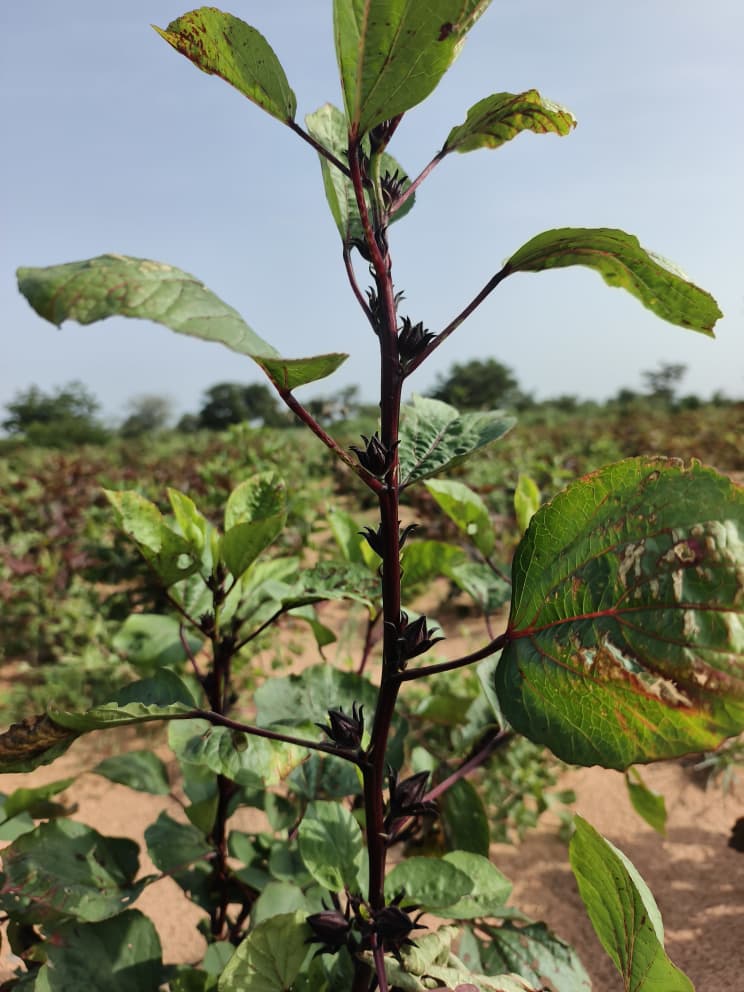
The Story Starts Before Harvest
Agricultural products do not begin with processing.
The condition of plant material at harvest is influenced by its growing environment and cultivation practices. Farmers work with factors such as soil, rainfall, temperature, planting practices, and seasonal conditions.
These variables naturally differ from one growing area to another.
As a result, dried hibiscus is not produced from a completely uniform industrial environment. It comes from an agricultural system where nature and farming practices interact.
This is one reason careful sourcing matters.
Harvesting Is a Critical Transition
Once hibiscus reaches the appropriate stage for harvesting, the crop moves from the field into the post-harvest process.
At this point, careful handling becomes important.
Plant material can be affected by excessive contact with soil, moisture, rough handling, or unsuitable transportation conditions. Keeping the harvested material clean and protected helps prepare it for subsequent processing.
The objective is straightforward: move the crop from the field into controlled handling without unnecessarily compromising its condition.
Drying Changes the Product
Fresh hibiscus and dried hibiscus are very different materials.
Drying reduces moisture and transforms the physical characteristics of the harvested calyxes, allowing them to be stored and transported as a dried botanical ingredient.
However, drying is not simply a matter of leaving plant material exposed until it becomes dry.
The method, environment, duration, airflow, cleanliness, and handling practices can all influence the resulting product.
For commercial operations, controlled and hygienic drying practices are therefore an important part of post-harvest management.
Sorting Gives the Material a New Level of Consistency
After drying, the material may require sorting and cleaning.
Agricultural raw materials can contain unwanted plant parts or foreign material introduced during harvesting and handling. Sorting helps separate material according to the requirements of the intended product.
This stage can also help organize the dried hibiscus into more consistent lots.
For a buyer, this matters because a clearly prepared product is easier to inspect, specify, pack, and process.
Physical Appearance Tells Part of the Story
When buyers inspect dried hibiscus, appearance is often one of the first characteristics they notice.
They may look at factors such as:
- Color
- Calyx size
- Degree of intentness
- Cleanliness
- Texture
- Visible foreign material
- General uniformity
Visual inspection is useful, but it does not tell the entire story.
Some characteristics require measurement or laboratory analysis, depending on the intended application and buyer requirements.
This distinction is important because a product can look acceptable while still requiring further verification.
Every Processing Stage Adds Value
The value of dried hibiscus is not created at a single point.
It develops through a sequence of activities.
Farmers produce the crop. Handlers move it appropriately. Processing operations dry and sort the material. Quality personnel inspect or test where required. Packaging protects the finished product. Logistics providers move it toward its destination.
Each stage contributes to the final commercial product.
This is why sourcing agricultural ingredients is fundamentally different from purchasing a completely standardized manufactured component.
Storage Protects Previous Work
Once hibiscus has been dried and prepared, storage becomes part of maintaining its condition.
Dried botanical materials should be protected from conditions that could introduce moisture, contamination, pests, or deterioration.
Clean, ventilated storage areas and appropriate packaging can help preserve the product during the period between processing and shipment.
Good storage cannot improve a poorly prepared product, but poor storage can damage a product that was handled correctly earlier.
Packaging Has a Practical Purpose
Packaging is sometimes viewed simply as a way to make a product ready for shipping.
In reality, it serves several practical functions.
Suitable packaging can help protect dried hibiscus from external contamination, moisture exposure, physical damage, and unnecessary handling during transportation.
For bulk shipments, packaging also needs to work with warehouse handling, container loading, unloading, and the buyer’s receiving process.
The right packaging therefore depends on the product, shipment size, transportation method, and buyer’s requirements.
Why Processing Records Matter
A well-organized operation should be able to distinguish between different production lots.
Recording information about receiving, processing, packaging, and shipment creates a useful history for each batch.
If a buyer has a question about a particular consignment, these records can help identify the relevant material and documentation.
This becomes especially important when supplying companies that purchase repeatedly.
Quality Is Built Through Many Small Decisions
It is tempting to describe agricultural quality as if it were determined by one factor.
In practice, the finished dried hibiscus reflects many stages of handling.
A strong agricultural product can be undermined by poor drying. Properly dried material can be affected by unsuitable storage. Well-prepared material can face problems through inappropriate transportation.
The final product is therefore the result of a chain of decisions rather than one isolated action.
What Buyers Should Ask Suppliers
A buyer evaluating dried hibiscus can ask practical questions about the product’s journey.
For example:
- Where is the hibiscus sourced?
- How is the material dried?
- How is it cleaned and sorted?
- What product form is available?
- How is it packaged?
- What specifications are followed?
- Is batch identification maintained?
- What testing or documentation is available?
- How is the finished product stored before shipment?
These questions can provide a clearer understanding of what is being purchased.
The Journey Behind Every Sack
A sack of dried hibiscus may look simple once it is ready for export, but the product inside represents an agricultural and processing journey that began much earlier.
From cultivation and harvesting to drying, sorting, packaging, and storage, each stage has a role in shaping the finished material.
For international buyers, understanding this journey can make sourcing decisions more informed.
For suppliers, paying attention to every stage can create a more organized operation and clearer communication with customers.
Ultimately, good dried hibiscus is not created at the moment it is packed for export. Its characteristics begin taking shape in the field and are carried through every stage until the finished product reaches its destination.