
- What Is a Quality Benchmark?
- Why One Description May Not Be Enough
- Combining a Sample With a Specification
- Define What Actually Matters
- Establish Acceptable Ranges
- Keep the Reference Sample Properly Identified
- Retain the Reference
- Review the Benchmark Over Time
- Use the Benchmark During Supplier Communication
- Benchmarking Supports Long-Term Supply
- A Benchmark Is a Communication Tool
- Building Consistency Without Ignoring Nature
Buying dried hibiscus repeatedly requires more than choosing a product description and placing an order. When several shipments are expected over time, buyers need a practical way to determine whether each new lot remains within the same agreed expectations.
This is where a quality benchmark becomes useful.
For Hibiscus sabdariffa, a benchmark can provide a clear reference for appearance, physical characteristics, analytical requirements, and other important product details without expecting every agricultural harvest to look exactly the same.
What Is a Quality Benchmark?
A quality benchmark is a defined reference against which future lots can be assessed.
It can include a written product specification, an approved physical sample, laboratory requirements, or a combination of these elements.
For example, a buyer may establish expectations for:
- Botanical identity
- Physical form
- Color and appearance
- Moisture
- Foreign matter
- Purity
- Microbiological requirements
- Packaging
- Lot identification
The benchmark gives both sides a common point of reference.
Why One Description May Not Be Enough
Words such as “good quality,” “clean,” or “dark red” can mean different things to different people.
A supplier may consider a particular appearance acceptable, while a buyer may have a different expectation based on previous purchases.
Written specifications make these expectations more precise.
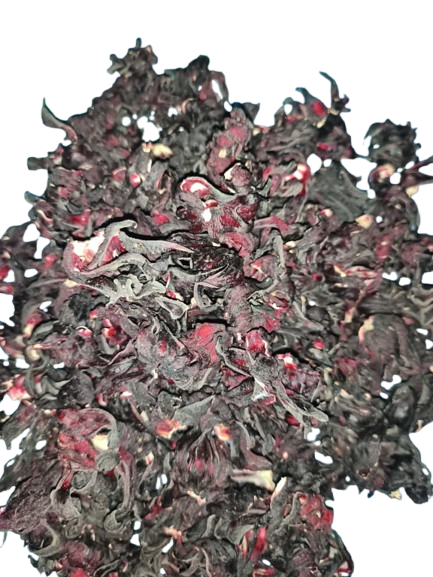
An approved physical sample can add another layer of clarity because both parties can see the material being referenced.
Combining a Sample With a Specification
A physical sample is useful, but it should not be the only reference.
Agricultural products naturally vary, so expecting every future shipment to look identical to one small sample may create unrealistic expectations.
A better approach is to use the sample alongside measurable specifications.
The sample can demonstrate the general physical character of the product, while the written specification establishes acceptable limits for important parameters.
Together, they create a stronger commercial reference.
Define What Actually Matters
Not every characteristic needs the same level of attention.
A food manufacturer may prioritize microbiological requirements and moisture. A tea company may place greater emphasis on physical form, color, and aroma. A processor purchasing material for further cutting may have different requirements again.
The benchmark should therefore reflect the actual intended use.
Defining too many unnecessary requirements can make purchasing complicated without adding meaningful value.
Establish Acceptable Ranges
A benchmark works best when it recognizes reasonable variation.
For example, instead of requiring every shipment to have precisely the same appearance, a buyer can establish an acceptable range for relevant characteristics.
This is particularly important for natural agricultural materials.
The goal is to distinguish acceptable variation from material that falls outside the agreed specification.
Keep the Reference Sample Properly Identified
If an approved sample is being used as a reference, it should be clearly identified.
Useful information can include:
- Product name
- Botanical name
- Grade
- Lot number
- Sample date
- Physical form
- Supplier reference
- Buyer reference
Without proper identification, it can become difficult to determine which sample represents the agreed benchmark.
Retain the Reference
A reference sample can lose much of its value if it is not preserved appropriately.
The retained material should be stored in a suitable, clearly labeled package so that it remains identifiable and useful for future comparison.
The buyer and supplier may each retain their own reference where appropriate.
This becomes particularly useful when shipments continue over several months or crop periods.
Review the Benchmark Over Time
A benchmark does not necessarily have to remain unchanged forever.
A buyer may update requirements as production processes change, regulations develop, or the intended application evolves.
However, changes should be documented clearly.
If a buyer changes the acceptable moisture level or physical form, for example, the supplier should know which specification applies to the next commercial shipment.
Clear version control can prevent old and new requirements from being confused.
Use the Benchmark During Supplier Communication
A quality benchmark can also make purchasing conversations more efficient.
Instead of sending a long series of informal descriptions, a buyer can provide a structured specification and reference sample.
The supplier then has a clearer understanding of the expected material before preparing a quotation or commercial sample.
This can reduce unnecessary back-and-forth and make offers easier to compare.
Benchmarking Supports Long-Term Supply
For companies purchasing dried hibiscus repeatedly, consistency is often more useful than searching for a new product standard with every shipment.
A well-defined benchmark provides continuity.
It allows the buyer to compare new lots against an established commercial expectation while still recognizing the natural characteristics of agricultural production.
This is especially valuable when supply comes from different production periods.
A Benchmark Is a Communication Tool
The greatest value of a hibiscus quality benchmark is not simply quality control.
It is communication.
The buyer and supplier can use the same reference when discussing samples, specifications, laboratory results, production lots, packaging, and commercial shipments.
That shared understanding can reduce ambiguity and create a more structured purchasing process.
Building Consistency Without Ignoring Nature
Dried hibiscus comes from agriculture, so some variation between harvests is unavoidable.
A sensible benchmark does not attempt to remove that reality. Instead, it defines the characteristics that matter commercially and establishes reasonable boundaries around them.
For buyers, this creates a practical system for evaluating future shipments. For suppliers, it provides clearer expectations for preparing the product.
When a written specification, approved sample, testing requirements, and lot identification work together, a simple product description becomes a dependable quality reference.
That foundation can make repeated dried hibiscus purchasing clearer, more measurable, and easier to manage.