
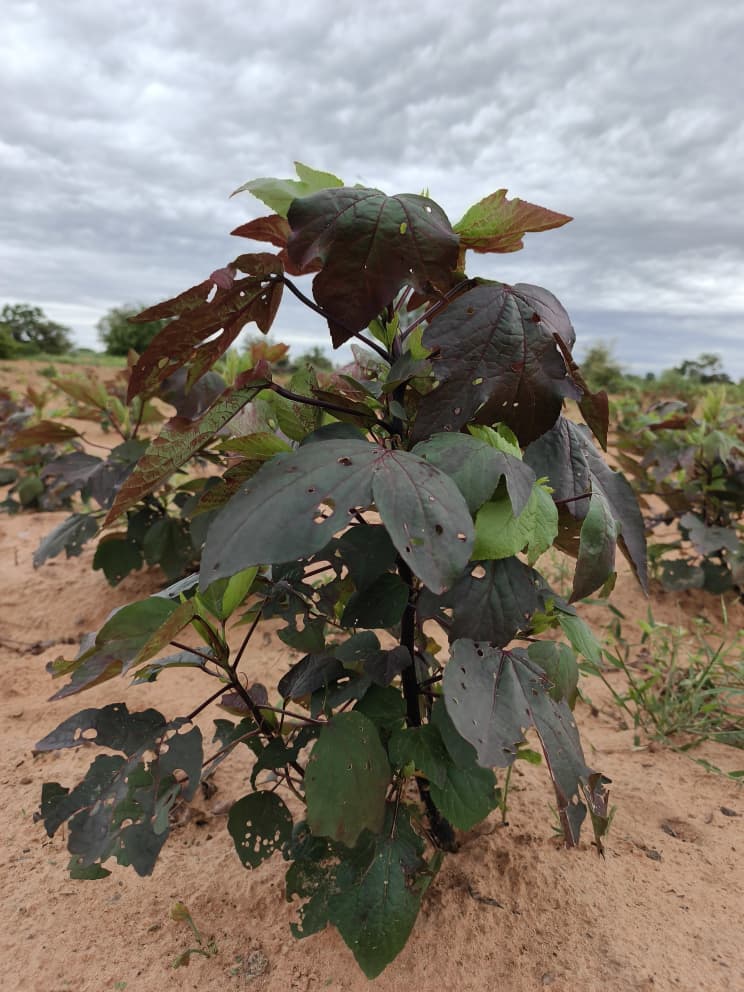
An agricultural product can become much more than a commodity. Over time, it can acquire an identity shaped by its appearance, flavor, cultural associations, applications, and connection to the communities that produce and use it. Dried hibiscus flower offers an excellent example of this transformation. Scientifically known as Hibiscus sabdariffa, it has developed an identity that reaches beyond agriculture and into food culture, beverage preparation, botanical products, and international commerce.
Its story begins with a plant, but its identity is created through human interaction with that plant.
The Beginning Is Agricultural
Every commercial journey starts with cultivation.
Hibiscus develops through a natural agricultural cycle influenced by:
- Climate
- Soil
- Rainfall
- Cultivation practices
- Seasonal conditions
These factors contribute to the characteristics eventually associated with the dried calyx.
Transformation Gives the Product Character
Once harvested, the calyces undergo a transformation that changes their physical form.
Fresh botanical material becomes a dried ingredient with characteristics that make it practical for storage, handling, preparation, and commercial use.
The transformation gives the agricultural product a new identity without removing its botanical origin.
Sensory Characteristics Create Recognition
Some ingredients become memorable because of their distinctive sensory qualities.
Dried hibiscus is widely recognized for characteristics such as:
- Deep red coloration
- Tart flavor
- Distinctive botanical character
- Strong visual identity
These features help differentiate hibiscus from many other plant ingredients.
Culture Gives Ingredients Meaning
Food ingredients often carry stories that extend beyond their physical properties.
Hibiscus has long been associated with traditional preparations in different regions, particularly beverages and culinary uses. These traditions provide cultural context and demonstrate how agricultural products can become connected to everyday life.
An ingredient becomes more meaningful when people attach experiences and traditions to it.
Modern Applications Expand Its Identity
Contemporary industries continue to discover new ways to use familiar botanical ingredients.
Dried hibiscus can participate in areas such as:
- Herbal beverages
- Food formulations
- Botanical preparations
- Culinary experimentation
- Ingredient development
Each application introduces the ingredient to new audiences.
Identity Can Cross Borders
International commerce allows agricultural products to travel far beyond their original growing regions.
As dried hibiscus enters different markets, it can acquire new applications while maintaining its recognizable botanical identity. This creates an interesting relationship between origin and adaptation: the product remains connected to where it comes from while becoming relevant to people in entirely different environments.
The Future of an Agricultural Identity
The continued development of dried hibiscus will depend partly on how successfully its agricultural heritage, natural characteristics, cultural significance, and modern applications remain connected.
Products with a clear identity are often easier to recognize, understand, and incorporate into new forms of consumption.
Conclusion
Dried hibiscus flower represents the remarkable transformation of an agricultural crop into an ingredient with cultural, sensory, and commercial identity. From cultivation and drying to traditional use and modern applications, Hibiscus sabdariffa demonstrates how a natural resource can acquire meaning far beyond the field, connecting agriculture with food culture and international commerce.