
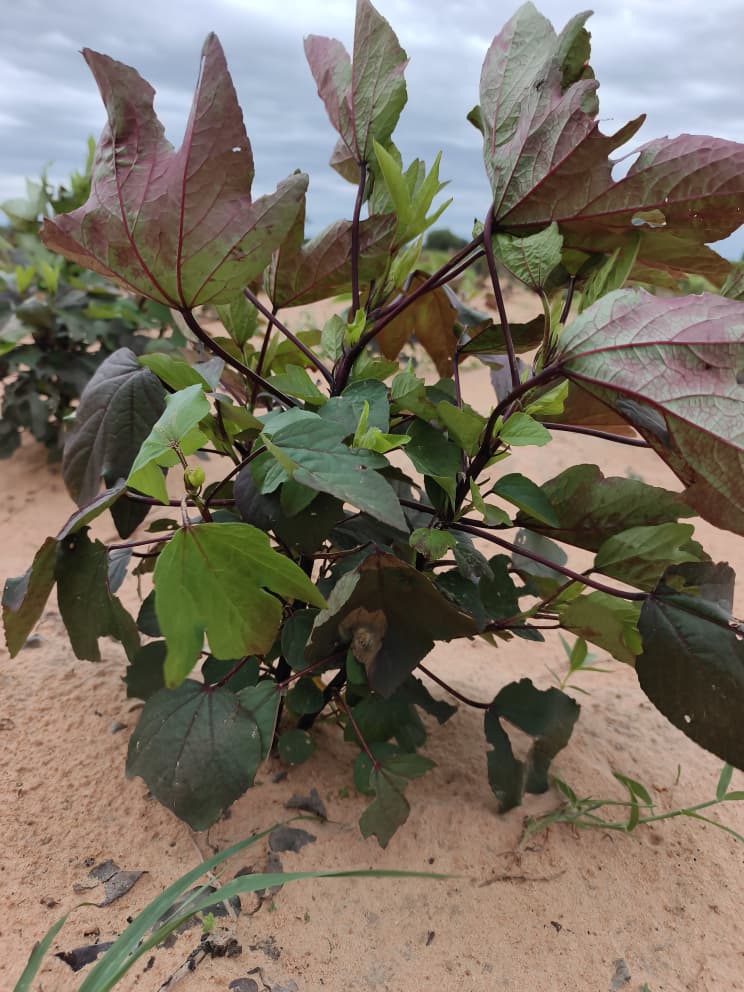
Every agricultural product has a journey, but few journeys reveal as much about changing human needs as that of dried hibiscus flower. From a cultivated plant to a carefully prepared botanical ingredient and eventually to a component of products enjoyed in different parts of the world, hibiscus moves through several stages of transformation. Known scientifically as Hibiscus sabdariffa, it has developed from a traditional agricultural resource into a versatile ingredient with a growing place in contemporary food and beverage culture.
Its journey is a story of transformation, discovery, and renewed relevance.
A Crop Shaped by Its Environment
The story begins in the field.
Hibiscus grows within an environment influenced by:
- Seasonal weather
- Soil characteristics
- Agricultural practices
- Natural growing conditions
These factors help shape the plant before human handling begins.
Harvest Creates a New Beginning
Harvesting marks a significant transition in the life of the crop.
The calyces move from the growing environment into a carefully managed post-harvest process. At this point, attention shifts from cultivation toward preservation and preparation.
This stage establishes the foundation for the product’s future use.
Drying Unlocks Practical Possibilities
Drying changes the physical nature of hibiscus and makes it more suitable for extended handling and storage.
The resulting botanical material can be prepared for different purposes while retaining the distinctive characteristics associated with the plant.
A simple agricultural process therefore creates broader possibilities for utilization.
A Distinctive Ingredient Finds New Audiences
Hibiscus is recognized for its characteristic tart flavor and deep red appearance.
These qualities have helped it become relevant to different applications, including:
- Herbal infusions
- Beverage preparation
- Culinary products
- Botanical formulations
- Food ingredient development
Each application introduces the ingredient to another part of the world.
Tradition Continues to Influence Modern Use
Long before modern commercial systems existed, communities were already incorporating hibiscus into traditional preparations.
Those traditions remain important because they demonstrate that the ingredient’s relevance did not begin with international commerce. Modern applications are, in many respects, an extension of a much longer relationship between people and the plant.
Globalization Changes the Scale
International commerce has allowed dried hibiscus to move beyond local and regional consumption.
With wider connectivity, an agricultural ingredient can now reach:
- Food manufacturers
- Beverage producers
- Ingredient specialists
- Retail markets
- Consumers in distant regions
Geographical distance no longer limits an ingredient’s potential audience in the way it once did.
New Uses Create New Chapters
The story of dried hibiscus is still developing.
As product developers and food industries explore botanical ingredients, new formulations and applications may continue to emerge. This creates opportunities for hibiscus to remain relevant as consumer interests and culinary preferences change.
Its history provides a foundation, but its future remains open.
From Agriculture to Global Recognition
The journey of dried hibiscus demonstrates how an agricultural crop can evolve through successive stages without losing its original identity. Cultivation provides the beginning, drying creates practicality, tradition provides cultural meaning, and modern applications create new possibilities.
Each stage adds another chapter to the story.
Conclusion
Dried hibiscus flower is more than a harvested agricultural product. It represents a continuing journey from field to preparation, from tradition to modern application, and from local familiarity to international recognition. As the world discovers new ways to use botanical ingredients, Hibiscus sabdariffa has the potential to remain an enduring part of global food and agricultural culture.