
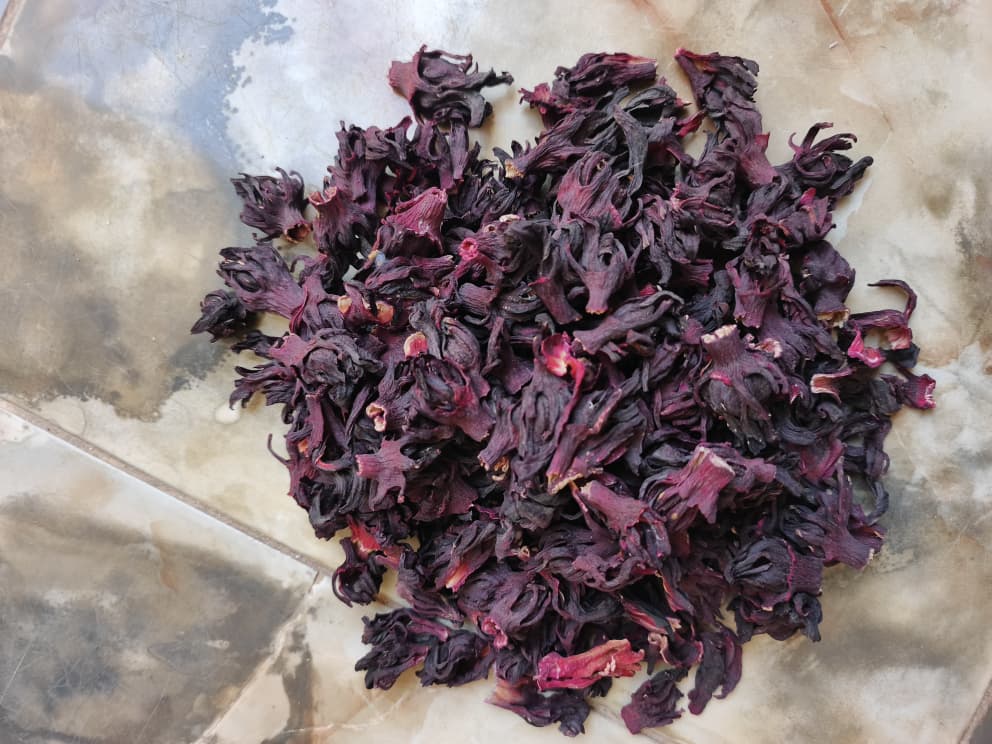
The character of an agricultural ingredient is often determined long before it reaches a commercial marketplace. In the case of dried hibiscus flower, its distinctive color, tart character, aroma, and botanical composition originate from the natural chemistry of the plant itself. Scientifically known as Hibiscus sabdariffa, hibiscus has attracted attention across food and beverage applications because of the remarkable characteristics contained within its calyces.
Understanding these natural characteristics offers a different perspective on why dried hibiscus has become such a recognizable botanical ingredient.
Color as a Natural Signature
One of the most immediately noticeable characteristics of hibiscus is its deep red appearance.
This coloration is associated with naturally occurring pigments, particularly anthocyanin compounds. These pigments contribute to the visual identity that makes hibiscus easily recognizable in many preparations.
Color can influence how an ingredient is perceived before it is even tasted.
The Characteristic Tart Profile
Hibiscus is also recognized for its naturally sharp, acidic flavor.
Its characteristic taste has made it suitable for preparations where a distinctive tart note is desired. Depending on formulation, it can contribute a refreshing sensory profile to:
- Herbal infusions
- Beverages
- Food preparations
- Botanical blends
Its flavor is one of the qualities that separates hibiscus from many other plant ingredients.
Organic Acids Within the Calyx
The natural acidity of hibiscus is associated with organic acids occurring within the plant material.
These compounds contribute to its characteristic sensory profile and help explain why hibiscus has traditionally been used in acidic beverage and culinary preparations.
The chemistry of the plant therefore has a direct relationship with its practical applications.
Plant Compounds and Botanical Interest
Hibiscus contains a variety of naturally occurring compounds that have attracted scientific and nutritional interest.
Research into its botanical composition has examined components such as:
- Organic acids
- Anthocyanins
- Polyphenolic compounds
- Flavonoid-related constituents
These naturally occurring substances contribute to the scientific interest surrounding the plant.
Drying Preserves a Useful Botanical Form
Transforming fresh hibiscus calyces into dried material creates a more stable botanical ingredient that can be stored and incorporated into different applications.
Drying changes the physical state of the plant while allowing its characteristic botanical identity to remain recognizable.
This transformation is one reason dried hibiscus can function as a practical ingredient across different industries.
Chemistry Meets Culinary Creativity
The natural characteristics of hibiscus provide a foundation for experimentation.
Its color and tart profile can inspire applications in:
- Specialty beverages
- Botanical teas
- Culinary formulations
- Food ingredient blends
Product developers can work with these natural characteristics to create distinctive sensory experiences.
A Botanical Ingredient With Scientific Depth
The appeal of dried hibiscus is therefore not based on appearance alone. Its natural chemistry gives it a combination of color, acidity, botanical compounds, and sensory characteristics that make it scientifically interesting and commercially versatile.
The more closely its composition is understood, the more possibilities can emerge for responsible applications.
Conclusion
Dried hibiscus flower demonstrates how the natural chemistry of a plant can influence its identity and usefulness far beyond the field where it is cultivated. The deep coloration, tart character, organic acids, and diverse botanical compounds found in Hibiscus sabdariffa help explain its continuing relevance in food, beverage, and botanical applications around the world.