
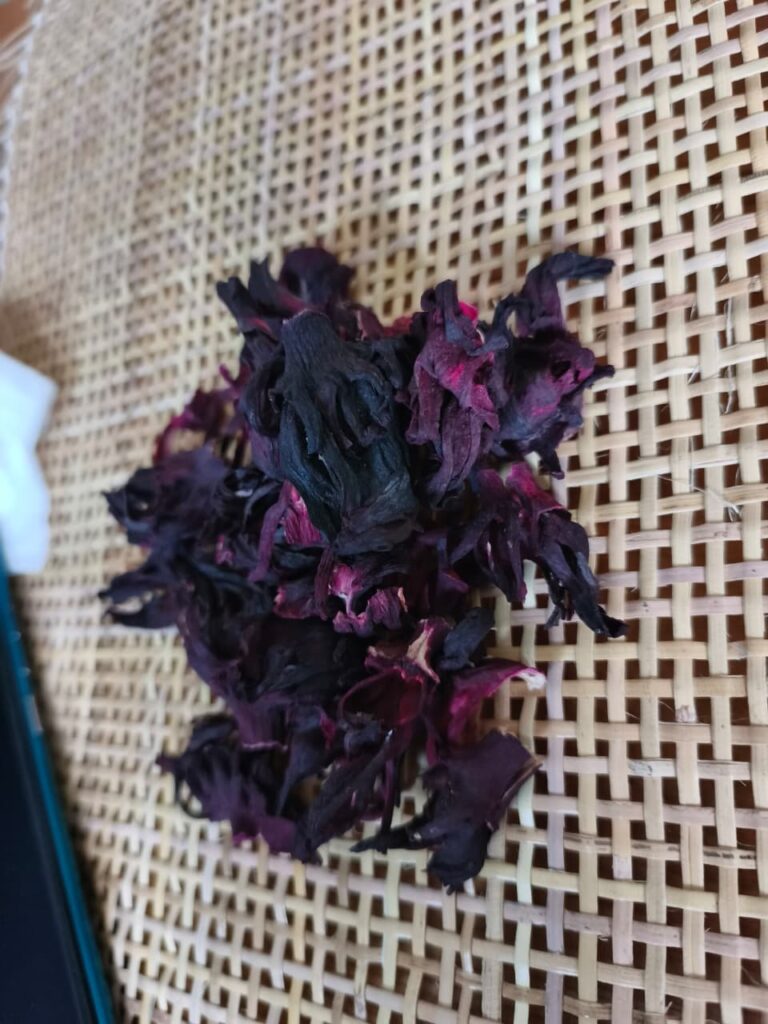
Hibiscus flower moves through several practical stages before reaching international buyers. Each stage cultivation, harvesting, drying, sorting, packaging, and transportation affects the final condition of the product. When these steps are managed carefully, the flower maintains its usability for commercial purposes. Scientifically known as Hibiscus sabdariffa, it is widely processed in dried form for trade and industrial applications.
Understanding this complete pathway helps explain how consistent supply is achieved.
Cultivation Environment
The process begins in suitable growing regions where environmental conditions support healthy plant development. Key elements include:
- Appropriate sunlight exposure
- Stable seasonal rainfall patterns
- Proper field management practices
These factors influence overall crop performance.
Harvesting Practices
Harvest timing plays an important role in product outcome:
- Calyces are collected at maturity
- Care is taken to avoid physical damage
- Immediate transfer to processing areas reduces deterioration
Proper harvesting supports better drying results.
Drying Stage
Drying transforms fresh calyces into stable trade material:
- Moisture is reduced to safe levels
- Even airflow supports uniform drying
- Protection from contamination is maintained
This stage is essential for storage stability.
Sorting and Organization
After drying, the product is organized for trade:
- Separation of damaged pieces
- Removal of unwanted materials
- Classification into consistent batches
Sorting improves uniformity and presentation.
Packaging for Distribution
Packaging protects the product during storage and transport:
- Use of durable materials
- Moisture protection measures
- Clear labeling for identification
Good packaging supports safe shipment.
Transportation Management
Efficient logistics ensure product condition is preserved:
- Proper loading techniques
- Protection from humidity during transit
- Organized shipment planning
Transportation quality directly affects market readiness.
Commercial Application
Once delivered, hibiscus is used in different sectors such as:
- Beverage production
- Herbal infusion preparation
- Ingredient blending
Its adaptability supports varied market needs.
Conclusion
The journey of hibiscus flower from field to export depends on careful management at every stage. Cultivation, drying, sorting, packaging, and transportation all contribute to maintaining product usability.
Ziha Universal Company Nig Limited supplies dried hibiscus flower handled through structured processes, supporting reliable distribution to international markets.