
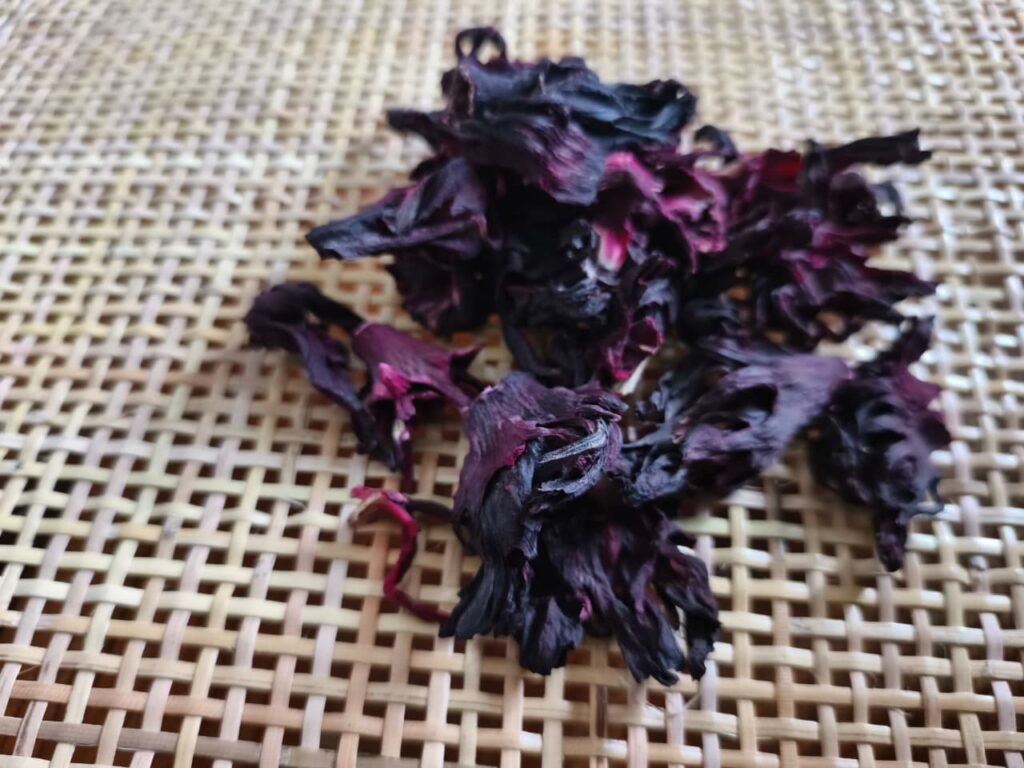
Hibiscus flower is not only valued for its appearance and processing flexibility, but also for its natural nutritional components. When properly cultivated, harvested, and dried, it retains several beneficial plant-based compounds that contribute to its commercial relevance. Scientifically known as Hibiscus sabdariffa, hibiscus is widely processed into dried calyces for use in beverages and food preparations.
Understanding its nutritional profile helps explain why it remains popular in global markets.
Natural Plant Compounds
Hibiscus contains naturally occurring compounds such as:
- Plant-based antioxidants
- Organic acids contributing to tartness
- Natural pigments responsible for red coloration
These components influence both function and appearance.
Vitamin Content
Dried hibiscus is commonly associated with:
- Vitamin C presence
- Plant-derived micronutrients
- Natural bioactive elements
These properties support its use in functional beverage development.
Clean Ingredient Advantage
Because it is a plant-derived product, hibiscus supports:
- Simple ingredient formulations
- Minimal processing concepts
- Natural product development strategies
This aligns with current consumer preferences for plant-based materials.
Role in Herbal Applications
Hibiscus is widely used in herbal preparations due to:
- Its infusion compatibility
- Its mild tart flavor
- Its visual appeal in drinks
These characteristics make it suitable for various formulations.
Processing and Nutrient Preservation
To maintain its natural qualities, proper handling is important:
- Controlled drying to protect plant compounds
- Storage in dry environments
- Protection from excessive heat and humidity
Correct processing helps preserve its characteristics.
Market Relevance
Hibiscus remains relevant in international trade because it:
- Fits clean-label trends
- Supports natural beverage innovation
- Has broad regional recognition
Its versatility strengthens its commercial presence.
Conclusion
The nutritional and natural properties of hibiscus flower contribute to its global demand and industrial use. Proper cultivation and processing help maintain its beneficial characteristics for commercial applications.
Ziha Universal Company Nig Limited supplies dried hibiscus flower prepared with attention to practical quality management, supporting reliable availability in international markets.