
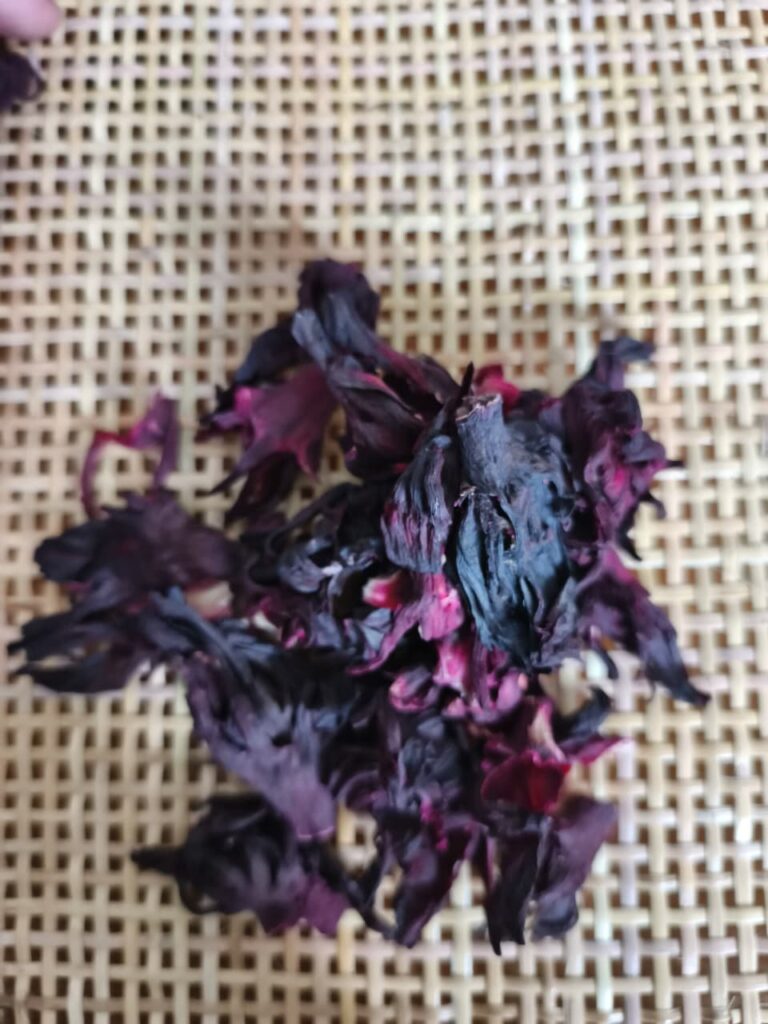
Hibiscus flower is valued in global markets not only as an agricultural product, but also for its natural chemical and physical properties that make it suitable for processing. Its deep red appearance, mild tartness, and stability under proper handling conditions contribute to its widespread commercial use. Scientifically known as Hibiscus sabdariffa, it is commonly processed in dried form for beverage and food applications.
Understanding the science behind its characteristics helps explain why it performs reliably in different systems.
Natural Pigments and Color Stability
The red color of hibiscus comes from natural plant compounds.
Key points include:
- Pigments responsible for deep coloration
- Sensitivity to excessive heat or improper storage
- Importance of controlled drying for color preservation
Proper handling supports stable visual quality.
Acidity and Flavor Profile
Hibiscus contains natural organic acids that influence taste:
- Provides mild tartness in beverages
- Helps balance sweetness in formulations
- Contributes to overall flavor structure
This acidity makes it suitable for infusion-based products.
Moisture and Structural Integrity
Moisture levels affect the physical condition of dried hibiscus:
- Balanced drying improves shelf stability
- Excess moisture may reduce product lifespan
- Proper storage maintains structural firmness
Moisture management is essential for quality control.
Compatibility With Processing Methods
Hibiscus adapts well to different preparation techniques:
- Hot water infusion
- Cold extraction systems
- Blending in multi-ingredient formulations
Its flexibility supports diverse manufacturing processes.
Storage Chemistry Considerations
Environmental factors can influence product stability:
- Exposure to humidity may affect condition
- Light and heat can alter appearance over time
- Sealed storage helps maintain consistency
Controlled environments protect quality.
Functional Value in Products
Because of its natural properties, hibiscus is used in:
- Herbal beverages
- Functional drink development
- Natural ingredient formulations
Its characteristics support clean-label production strategies.
Conclusion
The scientific properties of hibiscus flower its color compounds, natural acidity, and structural stability are key reasons for its global use. Proper processing and storage help preserve these attributes throughout the supply chain.
Ziha Universal Company Nig Limited supplies dried hibiscus flower handled with attention to practical processing standards, supporting consistent product performance in international markets.