
- 1. Color Can Be Misleading in Photographs
- 2. Images Cannot Reliably Reveal Moisture Content
- 3. Small Foreign Materials May Escape Notice
- 4. Physical Form Matters More Than Appearance Alone
- 5. A Photograph Does Not Confirm Microbiological Suitability
- 6. The Sample Must Represent the Actual Product Lot
- 7. Packaging Images Do Not Prove Internal Condition
- 8. What Buyers Should Request Alongside Photographs
- 9. Ask for Useful Photographs, Not Just Attractive Ones
- 10. Compare Offers Using the Same Criteria
- 11. Make Sample Approval Part of the Buying Process
- 12. Use Images for Screening, Not Final Approval
- Final Thoughts
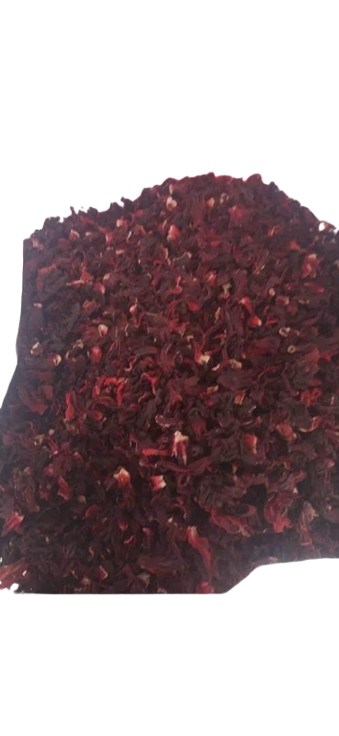
A photograph can make dried hibiscus flower look attractive, but it cannot tell the whole story of a commercial product. Two samples may appear almost identical on a screen while differing in moisture content, cleanliness, physical condition, or suitability for a buyer’s intended use.
For businesses purchasing Hibiscus sabdariffa in bulk, photographs are useful for an initial assessment. However, making a purchasing decision based on images alone can leave important questions unanswered. A more reliable approach combines visual evidence with clear product specifications, representative samples, and appropriate documentation.
1. Color Can Be Misleading in Photographs
The deep red appearance of dried hibiscus is one of its most recognizable characteristics. Yet the color shown in a photograph can change significantly depending on lighting, camera settings, background, and image editing.
A flower photographed under bright artificial light may appear more vibrant than the same material under natural daylight. Screen brightness can also affect how buyers perceive the product.
For this reason, color should not be judged from a single image. Buyers can request photographs taken under natural lighting, preferably against a neutral background, and examine a physical sample before confirming an order.
2. Images Cannot Reliably Reveal Moisture Content
Moisture is an important consideration when purchasing dried agricultural products. Excessive moisture can affect storage stability and increase the risk of deterioration under unsuitable conditions.
Unfortunately, a photograph cannot establish the actual moisture percentage of dried hibiscus. Material may look dry while still requiring further assessment.
When moisture limits are important to the transaction, buyers should request an agreed specification and suitable test results. Any reported value should correspond to the relevant product lot and be supported by an appropriate testing method.
3. Small Foreign Materials May Escape Notice
A close-up image may show attractive red calyxes while concealing small amounts of dust, plant fragments, or other foreign materials. Image resolution and camera angles can make minor details difficult to identify.
Buyers should therefore avoid treating clean-looking photographs as proof of a specific purity level.
A representative sample allows closer inspection, while an agreed foreign-matter limit provides a clearer basis for evaluating whether the product meets purchasing requirements.
4. Physical Form Matters More Than Appearance Alone
Dried hibiscus may be offered as whole calyxes, broken pieces, or cut-and-sifted material. These forms can serve different processing needs.
A photograph may not clearly communicate the actual proportion of intact calyxes, broken pieces, or smaller particles within a shipment. A carefully arranged display can also look different from the product as it is supplied in bulk.
Before placing an order, buyers should specify the required form and ask for a representative sample that reflects the material being offered.
5. A Photograph Does Not Confirm Microbiological Suitability
For businesses using hibiscus in tea, beverages, food ingredients, or herbal preparations, microbiological requirements may be part of the purchasing specification.
A visually attractive product cannot establish whether it meets those requirements. Microbiological status must be assessed through appropriate testing where required.
Buyers should identify the relevant limits before ordering and confirm which test reports or certificates are needed for their intended application and destination.
6. The Sample Must Represent the Actual Product Lot
One of the most important questions in agricultural trade is whether the sample reflects the goods that will be delivered.
A photograph may show genuine hibiscus flower, but it does not establish that the pictured material comes from the lot allocated to a particular order.
Buyers can reduce uncertainty by asking for a clearly identified sample and confirming how the supplied lot will be checked against the agreed specifications. For large orders, the sampling and inspection arrangements should be established before shipment.
7. Packaging Images Do Not Prove Internal Condition
Photographs of clean sacks, sealed packages, or neatly arranged goods can help buyers understand the proposed presentation. They do not necessarily demonstrate the condition of the material inside every package.
Packaging requirements should be stated separately, including the type of bag, inner lining where needed, net weight, labeling, and any specific handling requirements.
Where appropriate, buyers should also request photographs of the actual packed goods rather than relying exclusively on promotional images.
8. What Buyers Should Request Alongside Photographs
A practical purchasing assessment can include several forms of evidence:
- Product specification: Botanical identity, physical form, agreed quality limits, and intended grade.
- Representative sample: Material that can be inspected or tested before a major commitment.
- Relevant test results: Reports addressing agreed parameters such as moisture, foreign matter, or microbiological limits.
- Lot identification: Information connecting the sample, test results, and supplied goods.
- Packaging details: Bag type, net weight, and packing arrangement.
- Commercial terms: Quantity, price basis, delivery terms, shipment timing, and payment conditions.
Not every transaction requires the same documentation. Requirements should reflect the product’s intended use, the buyer’s standards, and the destination market.
9. Ask for Useful Photographs, Not Just Attractive Ones
When requesting images from a supplier, buyers can make the process more informative by asking for several specific views:
- A full view of the dried hibiscus material.
- A close-up showing the calyxes and their physical condition.
- A view that illustrates the proportion of whole and broken pieces.
- A photograph of the material beside a suitable size reference.
- Images of the actual packaging, where available.
These photographs can help establish a preliminary understanding of the offer. They should still be treated as supporting evidence rather than a substitute for physical inspection or testing.
10. Compare Offers Using the Same Criteria
When comparing multiple suppliers, buyers should avoid judging one offer by its photographs and another by its laboratory results or detailed specification.
Instead, use a consistent set of criteria for every offer. Check whether the product form, grade, quantity, packaging, quality limits, documentation, and delivery terms match the intended purchase.
A lower-priced product may not be directly comparable with another offer if their specifications or commercial terms differ. Likewise, a visually attractive image should not outweigh missing information about essential purchasing requirements.
11. Make Sample Approval Part of the Buying Process
For repeat purchases, sample approval can provide a useful reference for future orders. Buyers and suppliers can agree on the relevant characteristics before commercial quantities are prepared.
The approved sample should be identified and linked to the relevant specification or purchase order. Any limits of acceptance should be clearly documented rather than left to interpretation.
This process helps both parties understand what was agreed and provides a more objective reference if questions arise after delivery.
12. Use Images for Screening, Not Final Approval
Photographs remain valuable in international agricultural trade. They allow buyers to review a product remotely, understand its general appearance, and decide whether further evaluation is worthwhile.
The problem arises when an image is expected to prove more than it can.
A sensible purchasing process uses photographs to begin the assessment, specifications to define the requirements, samples to examine the material, and appropriate testing or documentation to verify relevant characteristics.
Final Thoughts
Buying dried hibiscus flower requires more than selecting the most attractive image. Color, texture, cleanliness, moisture, physical form, and suitability for a particular application cannot all be confirmed through photographs.
For importers, wholesalers, tea producers, and food manufacturers, the better approach is to treat images as an introduction to the product—not as the final evidence of its suitability.
When photographs are supported by clear specifications, representative samples, and relevant documentation, buyers can make more informed decisions about Hibiscus sabdariffa and approach bulk purchasing with greater clarity.