
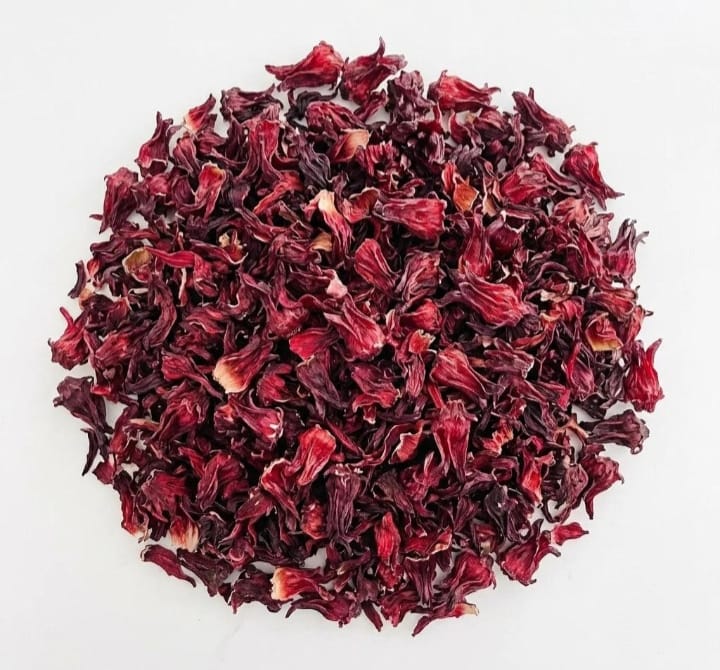
- 1. Hibiscus Supply Begins With the Growing Cycle
- 2. Rainfall Influences Agricultural Planning
- 3. Harvest Periods Can Shape Market Availability
- 4. Drying Capacity Can Affect the Pace of Supply
- 5. Fresh Harvest Availability Is Not the Same as Export Readiness
- 6. Seasonal Supply Can Influence Purchasing Decisions
- 7. Different Harvests May Produce Different Characteristics
- 8. Plan Procurement Before the Required Delivery Date
- 9. Use Historical Purchasing Records
- 10. Discuss Availability With Suppliers Early
- 11. Avoid Depending on One Harvest Window
- 12. Keep Storage Time in the Procurement Plan
- 13. Ask the Right Questions About Seasonal Availability
- Conclusion
The availability of dried hibiscus flower is closely connected to the agricultural calendar. Behind every commercial order lies a growing cycle shaped by planting decisions, rainfall, harvesting conditions, and the time required to prepare the crop for sale.
For importers, wholesalers, tea manufacturers, and food-processing businesses purchasing Hibiscus sabdariffa, understanding crop seasonality can improve purchasing plans and help set realistic expectations about availability, delivery schedules, and market conditions.
Rather than treating hibiscus as a product that is always available in identical quantities, buyers can benefit from understanding how agricultural production changes throughout the year.
1. Hibiscus Supply Begins With the Growing Cycle
Hibiscus production starts long before dried calyces reach a warehouse or export facility. Farmers must select suitable planting periods, prepare their land, establish healthy crops, and manage the plants throughout their development.
The time between planting and harvest depends on the variety, local climate, and production practices. Consequently, the timing of supply can differ between growing regions.
For buyers sourcing from Nigeria, it is useful to discuss the expected production calendar directly with suppliers rather than assuming that every region harvests at the same time.
2. Rainfall Influences Agricultural Planning
Rainfall is an important consideration in many hibiscus-producing areas. The timing and distribution of rain can affect planting decisions, crop development, field access, and harvesting operations.
A season with irregular rainfall may create different production challenges from a season with more predictable conditions. However, the effects are not identical across every location or farm.
Buyers should therefore avoid relying on a single national calendar as a guarantee of availability. Local production information provides a more useful basis for planning procurement.
3. Harvest Periods Can Shape Market Availability
When harvesting takes place across a concentrated period, larger quantities of newly harvested material may become available within a relatively short window.
Outside that period, suppliers may rely more heavily on previously processed and stored inventory. The amount available depends on the volume harvested, the proportion meeting required specifications, and how much stock has already been committed to customers.
A supplier’s current inventory and confirmed production plans are therefore more useful than general assumptions about the harvest season.
4. Drying Capacity Can Affect the Pace of Supply
Harvesting does not immediately produce a finished export product. The harvested calyces must be dried appropriately and prepared for their intended use.
The time required can depend on weather conditions, drying methods, available space, lab-our, and the volume being processed.
If several farms harvest at approximately the same time, the capacity to handle the incoming material can influence how quickly it becomes available for commercial orders.
For buyers, this means that an expected harvest date should not automatically be treated as the date on which export-ready goods will be available.
5. Fresh Harvest Availability Is Not the Same as Export Readiness
A supplier may have access to newly harvested hibiscus but still need time to complete sorting, inspection, packing, documentation, and shipment preparation.
The distinction matters when buyers work with production schedules or have commitments to their own customers.
A more useful inquiry asks when the required quantity will be ready to meet the agreed specification not simply when the crop will be harvested.
This encourages more realistic scheduling and helps reduce last-minute changes.
6. Seasonal Supply Can Influence Purchasing Decisions
Agricultural supply conditions may influence the prices and quantities offered by suppliers. When available stock is limited relative to demand, commercial offers may differ from those made during periods of greater availability.
However, seasonality does not determine price by itself. Demand, inventory levels, processing expenses, transport costs, currency movements, and other market factors may also play a role.
Buyers should request current written quotations and confirm their validity rather than assuming that a particular season always produces the lowest price.
7. Different Harvests May Produce Different Characteristics
Agricultural products naturally vary between growing periods. Factors such as weather, variety, maturity at harvest, and post-harvest practices can influence the characteristics of dried hibiscus.
Differences may be visible in colour, calyx size, physical condition, and the proportion of broken material. The extent of variation depends on the particular crop and how it has been handled.
For businesses with strict purchasing requirements, each new lot should be evaluated against the agreed specification instead of being accepted solely because an earlier shipment met expectations.
8. Plan Procurement Before the Required Delivery Date
Businesses that depend on hibiscus as a manufacturing ingredient should work backward from their expected consumption date.
A procurement plan can include the time needed for supplier confirmation, product preparation, inspection, export documentation, shipping, customs clearance, and inland delivery.
These stages can take different amounts of time depending on the destination and transport arrangements.
Planning ahead gives buyers more opportunity to compare offers, arrange samples, and resolve documentation questions before an urgent shortage develops.
9. Use Historical Purchasing Records
Previous orders can help buyers understand how their own hibiscus requirements change throughout the year.
Useful records include:
- Monthly or quarterly consumption.
- Order quantities and actual delivery dates.
- Supplier lead times.
- Changes in accepted product specifications.
- Periods of unusually high demand.
- Inventory remaining when new orders arrive.
Over time, these records can reveal patterns that support better purchasing decisions.
Historical data should be treated as a planning guide rather than a guarantee that the next season will follow exactly the same pattern.
10. Discuss Availability With Suppliers Early
A buyer does not need to wait until stock becomes urgently necessary to begin discussing a future order.
Early communication can help establish the expected quantity, product form, packaging requirements, indicative preparation period, and likely order-confirmation date.
Suppliers may be able to explain whether the requested quantity is available from existing inventory or depends on future processing.
Any expected availability should still be confirmed in writing before the buyer makes a firm commitment to customers or schedules production around it.
11. Avoid Depending on One Harvest Window
Businesses with continuous consumption requirements may benefit from evaluating whether their purchasing arrangements provide sufficient flexibility.
Depending on their finances, storage facilities, product requirements, and demand forecasts, some buyers may choose to order in planned quantities rather than relying entirely on immediate replenishment.
This decision requires careful consideration. Holding more stock can increase working-capital requirements and the need for suitable storage, while ordering too little can create supply interruptions.
The appropriate approach depends on the buyer’s actual consumption pattern and ability to manage inventory.
12. Keep Storage Time in the Procurement Plan
When buyers purchase dried hibiscus ahead of their immediate requirements, storage conditions become part of the overall plan.
The product should be protected from moisture, contamination, pests, and unsuitable environmental conditions. Packaging integrity and periodic stock checks are also important.
Buyers should follow the product’s established storage guidance and any applicable shelf-life or quality requirements. They should not assume that a longer storage period is acceptable simply because the product is dried.
The objective is to balance the benefit of planned purchasing against the need to maintain the material in suitable condition.
13. Ask the Right Questions About Seasonal Availability
Before placing a seasonal order, buyers can ask suppliers:
- Is the required quantity available from existing stock or expected future production?
- When is the product expected to be ready for inspection and packing?
- Does the available lot meet the agreed specification?
- How much time is needed to prepare the order and documentation?
- What quotation validity period applies?
- Can the supplier support the requested schedule if the order quantity changes?
These questions help turn a broad discussion about harvest timing into a practical procurement plan.
Conclusion
Crop seasonality is an important part of understanding dried hibiscus supply. The growing cycle, rainfall, harvest timing, processing capacity, and existing inventory can all influence when a particular quantity becomes commercially available.
For buyers of Hibiscus sabdariffa, the most useful approach is to combine knowledge of the agricultural calendar with current stock information, clear specifications, and realistic delivery planning.
By discussing future requirements early and keeping reliable purchasing records, businesses can make better-informed decisions and manage seasonal uncertainty more effectively.