
- Introduction
- Harvesting Hibiscus Calyces at the Right Stage
- Drying: An Important Stage in Product Preparation
- Sorting and Grading for Commercial Buyers
- Packaging Dried Hibiscus Flowers for Export
- International Markets and Uses of Hibiscus Flowers
- What Importers Should Confirm Before Shipment
- Sourcing Dried Hibiscus Flowers from Nigeria
- Conclusion
Introduction
The journey of dried hibiscus flowers from agricultural fields to international markets involves several important steps. From harvesting mature calyces to controlling moisture, sorting the dried material, and preparing export packaging, each stage can influence the product’s final condition.
For tea manufacturers, food ingredient distributors, herbal product businesses, and importers, understanding these processes helps clarify what to look for when purchasing dried hibiscus flowers for commercial use.
Harvesting Hibiscus Calyces at the Right Stage
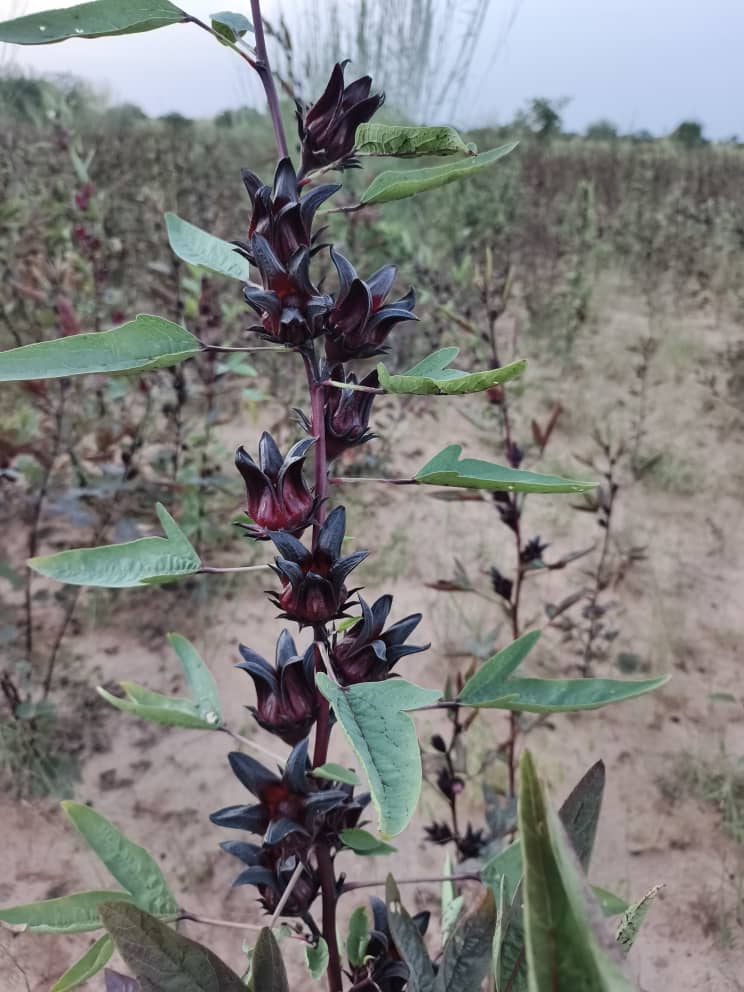
Hibiscus sabdariffa is cultivated for its fleshy, colorful calyces, which are commonly dried for use in beverages and other applications. Harvesting practices depend on the variety, growing conditions, and intended use of the crop.
Careful harvesting and initial handling help reduce unnecessary damage and contamination. Once collected, the calyces need appropriate preparation before drying so that the final product meets the buyer’s requirements.
Drying: An Important Stage in Product Preparation
Drying reduces the moisture content of fresh hibiscus calyces, making them more suitable for storage and transportation. Depending on the producer’s methods and available facilities, drying may take place under controlled conditions or through carefully managed sun drying.
The process should be managed to minimize contamination and preserve the product’s characteristic colour and condition. Excessive moisture can contribute to deterioration during storage, while unsuitable drying conditions may affect appearance and quality.
Buyers should therefore specify their required moisture limits and request testing where appropriate.
Sorting and Grading for Commercial Buyers
After drying, hibiscus flowers may be sorted to remove unwanted materials and separate the product according to size, appearance, or other agreed criteria.
Commercial specifications may distinguish between whole calyces and cut-and-sifted material. The appropriate form depends on whether the buyer intends to sell the flowers directly, package them for retail, or use them in industrial production.
A written specification should identify the product form, acceptable foreign matter, moisture content, and any other requirements relevant to the destination market.
Packaging Dried Hibiscus Flowers for Export
Suitable packaging helps protect dried hibiscus flowers during storage, loading, and international transportation. The choice of packaging depends on shipment size, handling conditions, destination requirements, and the buyer’s preferences.
Bulk shipments may use sacks with appropriate inner liners, provided the materials are suitable for the intended product and meet applicable requirements. Each shipment should have clearly agreed net weights and packaging specifications.
Before dispatch, exporters and importers should confirm the number of packages, total net weight, container loading plan, and shipping marks where required.
International Markets and Uses of Hibiscus Flowers
Dried hibiscus flowers are traded internationally for a range of applications.
Herbal tea: Whole or cut calyces can be used to prepare red herbal infusions with a tart flavor.
Beverage production: Food and beverage manufacturers may use hibiscus as an ingredient in selected drinks and beverage blends.
Food processing: Depending on applicable regulations, hibiscus can be incorporated into products where its flavor and natural colour are suitable.
Wholesale distribution: Importers may purchase bulk quantities for repackaging, distribution, or supply to manufacturers.
The intended application influences the product specifications buyers should request before placing an order.
What Importers Should Confirm Before Shipment
A successful dried hibiscus flower export transaction starts with a clear agreement between the supplier and buyer. Before confirming an order, importers should check:
- Product origin and botanical identification.
- Grade and physical specifications.
- Moisture content and foreign matter limits.
- Availability of samples or inspection reports.
- Packaging type and net weight per package.
- Quoted price, currency, and Intercom.
- Shipment schedule and payment conditions.
- Required export and import documentation.
Requirements for food safety, pesticide residues, microbiological quality, and import permits vary by destination. Buyers should confirm the applicable rules before the goods are shipped.
Sourcing Dried Hibiscus Flowers from Nigeria
Nigeria provides sourcing opportunities for businesses seeking dried hibiscus flowers for wholesale and manufacturing applications. When evaluating Nigerian suppliers, international buyers should consider product consistency, communication, packaging arrangements, and the supplier’s ability to meet agreed specifications.
A clear purchasing process allows both parties to establish expectations for quality, quantity, delivery, and documentation before the transaction proceeds.
For businesses entering the hibiscus market, requesting a detailed quotation and product specification is a practical first step toward evaluating a potential supply relationship.
Conclusion
The preparation of dried hibiscus flowers involves more than harvesting and drying. Sorting, quality assessment, packaging, and export planning all contribute to preparing the product for international trade.
For importers and manufacturers, understanding these stages makes it easier to evaluate suppliers and define suitable purchasing requirements. Careful preparation and transparent commercial agreements can help establish dependable sourcing relationships in the international hibiscus market.