
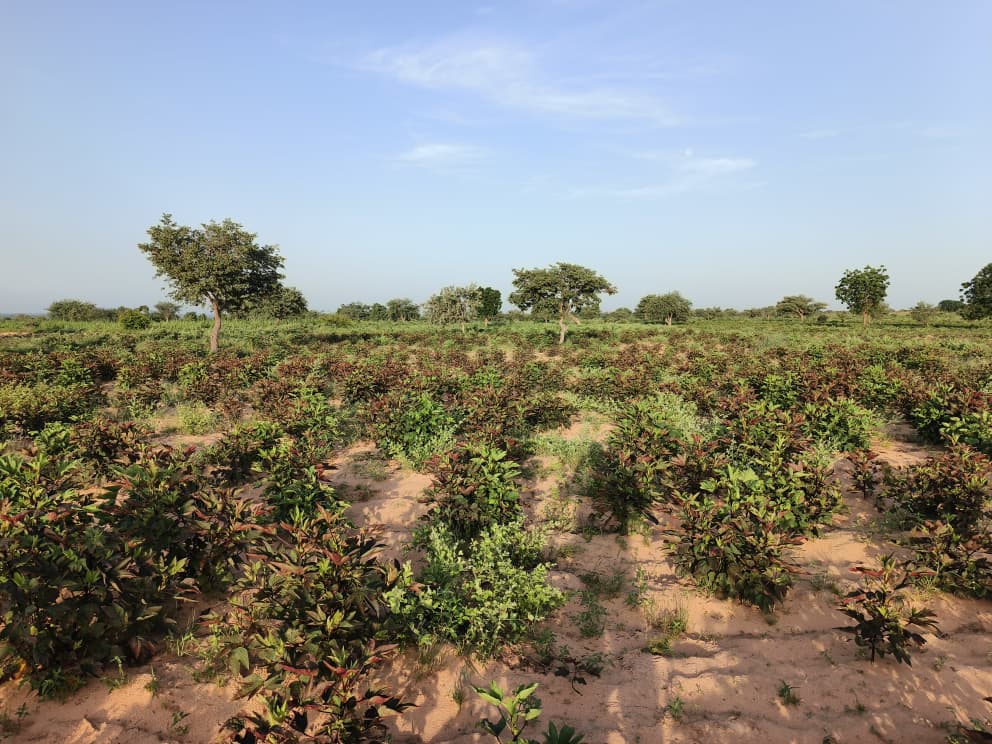
Agricultural products are often discussed in terms of plants, production, and markets. Yet behind every finished ingredient are people whose experience, attention, and effort help guide the product through its journey. Dried hibiscus flower is a clear example of this human connection. Scientifically known as Hibiscus sabdariffa, the plant passes through several stages before becoming the dried botanical ingredient used in different food, beverage, and commercial applications.
From the field to the final packaged product, human knowledge remains part of the journey.
Cultivation Begins With Experience
Growing an agricultural crop requires more than planting and waiting.
Farmers and agricultural workers observe changing conditions throughout the growing period, including:
- Seasonal development
- Rainfall patterns
- Plant growth
- Field conditions
- Harvest readiness
Experience helps transform natural conditions into organized agricultural activity.
Harvesting Requires Careful Timing
The harvest represents an important moment in the life of the crop.
At this stage, attention is given to collecting the plant material and preparing it for the next phase. The transition from field to post-harvest handling depends on coordinated human effort.
Every successful agricultural product begins with decisions made at the right time.
Post-Harvest Work Creates the Dried Product
Fresh hibiscus does not become a commercial dried ingredient without further handling.
People are involved in activities such as:
- Sorting
- Preparing
- Drying
- Handling
- Organizing the product for storage
These stages demonstrate how agricultural products are shaped not only by nature but also by practical skills.
Attention to Detail Matters
Small decisions made throughout the production process can influence the final presentation of an agricultural ingredient.
Careful handling encourages greater consistency in areas such as:
- Appearance
- Cleanliness
- Physical condition
- Packaging preparation
Professional attention becomes part of the value created along the journey.
Knowledge Is Passed Through Practice
Agricultural knowledge is often developed through years of observation and practical experience.
Skills can be strengthened through:
- Repeated cultivation cycles
- Professional training
- Shared experience
- Technical learning
- Continuous improvement
Each generation of experience can contribute to the development of stronger agricultural practices.
Agriculture Connects Many People
The journey of dried hibiscus involves more than the people working in the field.
Depending on the supply chain, the product may also connect:
- Processors
- Packaging teams
- Quality personnel
- Transport professionals
- Traders
- Manufacturers
A single agricultural ingredient can therefore bring together many different forms of expertise.
Human Skill Connects Nature and Commerce
Nature provides the plant, but people help guide its transformation into a usable ingredient.
This relationship between natural resources and human capability is one of the defining features of agriculture. Knowledge, organization, and practical effort help connect a growing crop with consumers and industries far beyond the original field.
The Story Continues Beyond Production
Even after drying and packaging, the human journey continues.
Dried hibiscus may later be handled by manufacturers, product developers, chefs, beverage creators, and consumers. Each person may use the ingredient in a different way, adding another chapter to its story.
The product travels, but human creativity continues to shape its purpose.
Conclusion
Every dried hibiscus flower represents more than a botanical resource. Behind Hibiscus sabdariffa is a chain of human experience, practical knowledge, careful handling, and professional effort. From cultivation and harvesting to drying and final application, people remain an essential part of transforming a natural crop into an ingredient with relevance across the world.