
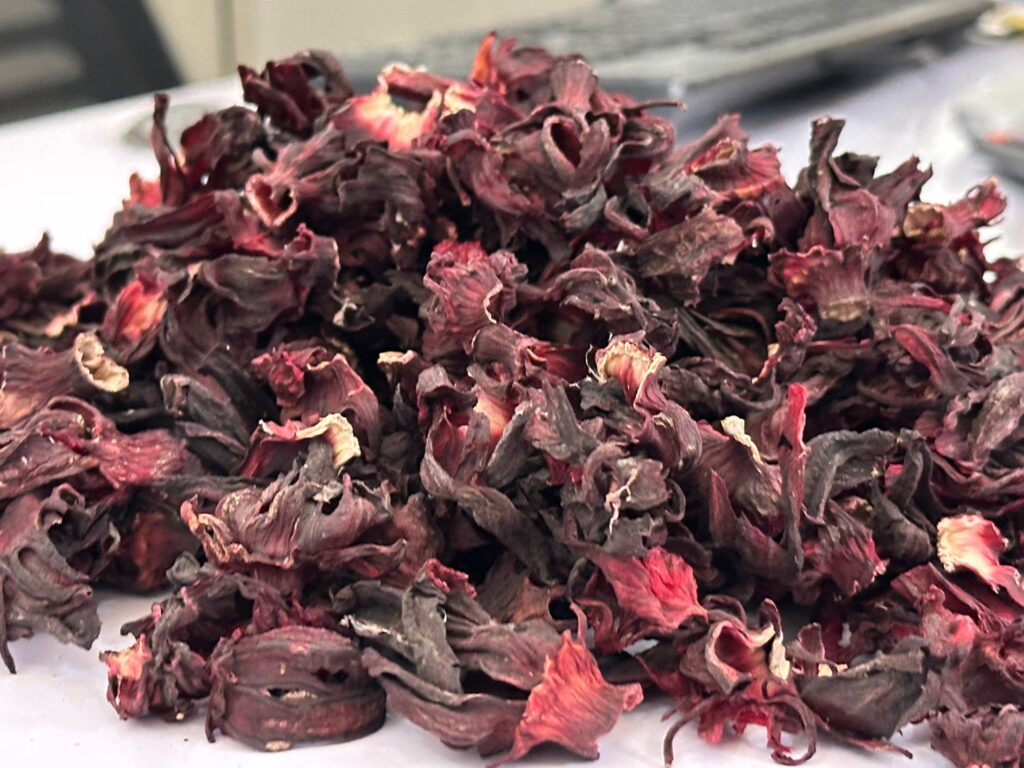
As the global demand for natural beverages continues to rise, hibiscus has become one of the most valuable botanical ingredients in the herbal drink industry. Known for its vibrant red color and refreshing tart flavor, hibiscus is widely used in teas, infusions, and natural beverages. The plant, scientifically referred to as Hibiscus sabdariffa, is cultivated across tropical regions and plays a significant role in international agricultural trade.
Its growing importance reflects a broader shift toward plant-based and naturally derived products in global markets.
Cultivation and Harvesting Excellence
Hibiscus thrives in warm climates with rich soil and adequate rainfall. Farmers cultivate the crop primarily for its fleshy red calyces, which develop after the flower blooms.
When the calyces reach maturity, they are harvested with care to ensure high quality. After harvesting, they are cleaned and dried using proper methods to preserve their natural color, flavor, and aroma.
This drying process is essential for reducing moisture and extending shelf life, making hibiscus suitable for export and long-distance transportation.
A Distinctive Flavor Profile
Hibiscus is widely appreciated for its bold and refreshing taste. When the dried calyces of Hibiscus sabdariffa are infused in hot water, they produce a bright red beverage with a pleasantly tart and fruity flavor.
This unique taste makes hibiscus suitable for a wide range of beverage applications. It can be served hot as herbal tea or chilled as a refreshing drink.
In many regions, hibiscus is blended with ingredients such as ginger, lemon, mint, or honey to create flavorful and aromatic beverages.
Cultural Relevance Around the World
Hibiscus beverages have been enjoyed for generations across various cultures.
In Nigeria and many West African countries, the drink is commonly known as Zobo. In Egypt and Sudan it is widely referred to as Karkade, while in Mexico and across Latin America it is popularly known as Agua de Jamaica.
These traditional beverages highlight the universal appeal of hibiscus as a natural and refreshing drink.
Natural Nutritional Qualities
Hibiscus contains several natural compounds that have attracted global attention.
Antioxidant Content
Hibiscus is rich in antioxidants that help protect the body from oxidative stress.
Supports Heart Health
Studies suggest hibiscus tea may help maintain healthy blood pressure levels.
Vitamin C Source
The flower naturally provides vitamin C, supporting immune system function.
Naturally Caffeine-Free
Hibiscus tea offers a refreshing beverage without caffeine.
These properties have made hibiscus increasingly popular among health-conscious consumers.
Expanding Global Market Opportunities
The demand for herbal teas and natural beverages is growing rapidly worldwide. As a result, the need for high-quality dried hibiscus flowers continues to increase.
Beverage companies, tea manufacturers, and food industries rely on reliable suppliers who can deliver consistent quality.
Ziha Universal Company Nig Limited supports this growing market by providing premium dried hibiscus flowers to international buyers seeking trusted and high-quality products.
Conclusion
Hibiscus has successfully evolved from a traditional herbal plant into a globally recognized agricultural commodity. Its vibrant color, refreshing taste, and natural properties make it an ideal ingredient for modern beverage production.
As the global preference for plant-based and natural drinks continues to expand, hibiscus will remain a key crop connecting farmers, exporters, and beverage manufacturers worldwide.
With strong demand and reliable supply, hibiscus continues to stand out as one of the most important ingredients in the herbal beverage industry.