
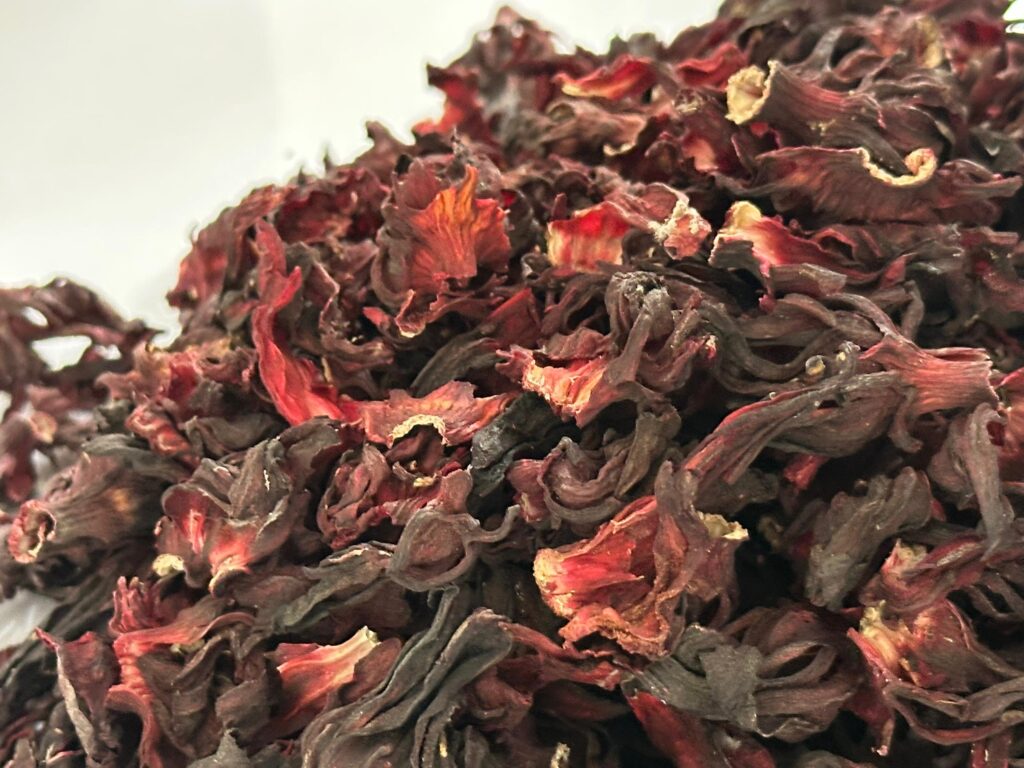
The rising interest in natural beverages has transformed the global drink industry. Consumers today prefer products made from plant-based ingredients that deliver refreshing flavor and natural goodness. Among the most popular botanical ingredients is the hibiscus flower, scientifically known as Hibiscus sabdariffa. This remarkable plant has become widely recognized for its vibrant red color, tangy flavor, and broad use in herbal drinks around the world.
From traditional beverages to modern health-focused drinks, hibiscus continues to play an important role in the evolving beverage market.
Ideal Environment for Hibiscus Farming
Hibiscus grows best in tropical and subtropical regions where warm temperatures and rich soil encourage healthy plant development. Farmers cultivate the plant mainly for its red calyces, which appear once the flower has bloomed.
These calyces are the most valuable part of the plant and are carefully harvested when fully matured. After harvesting, they are washed and dried under hygienic conditions to maintain their natural qualities.
Drying helps preserve the flower’s color, aroma, and flavor, allowing it to remain suitable for long-term storage and export.
A Signature Flavor in Herbal Beverages
One of the key reasons hibiscus is so widely appreciated is its unique flavor. When the dried calyces of Hibiscus sabdariffa are steeped in hot water, they release a rich red infusion with a refreshing tart and fruity taste.
This natural flavor profile makes hibiscus an ideal ingredient for many beverage recipes. It can be served as a warm herbal tea or enjoyed cold as a refreshing drink.
Many beverage producers combine hibiscus with natural ingredients such as ginger, lemon, mint, or cinnamon to create distinctive and flavorful drinks.
A Drink With Global Cultural Roots
Hibiscus beverages have been enjoyed in many cultures for generations, each region giving the drink its own name.
In Nigeria and other West African countries, the beverage is popularly known as Zobo. In Egypt and Sudan it is widely referred to as Karkade, while in Mexico and parts of Latin America it is called Agua de Jamaica.
These cultural variations show how hibiscus has become a globally appreciated drink.
Natural Compounds and Health Appeal
Hibiscus is valued not only for its refreshing taste but also for the natural compounds present in the flower.
Antioxidant-Rich Plant
Hibiscus contains antioxidants that help protect the body against free radicals.
Cardiovascular Support
Some studies suggest hibiscus tea may contribute to maintaining healthy blood pressure levels.
Natural Vitamin C
The flower naturally contains vitamin C, which helps support the immune system.
Caffeine-Free Beverage
Hibiscus tea provides a refreshing option for individuals seeking drinks without caffeine.
These characteristics have increased the popularity of hibiscus among health-conscious consumers.
Strong Demand in the Global Market
The global market for herbal teas and botanical beverages continues to expand rapidly. This growth has created strong demand for high-quality dried hibiscus flowers used by tea brands and beverage manufacturers.
To succeed in international trade, suppliers must maintain strict standards in harvesting, drying, and packaging.
Ziha Universal Company Nig Limited contributes to this expanding market by supplying premium dried hibiscus flowers to international buyers seeking reliable and high-quality products.
Conclusion
Hibiscus has become one of the most valuable botanical ingredients in the global beverage industry. Its vibrant color, refreshing taste, and natural benefits have helped transform it into a widely traded agricultural product.
As consumer interest in natural and plant-based drinks continues to grow, hibiscus will remain a key crop connecting farmers, exporters, and beverage companies around the world.
With dependable suppliers and increasing global demand, hibiscus continues to shine as a symbol of freshness, quality, and natural excellence.