
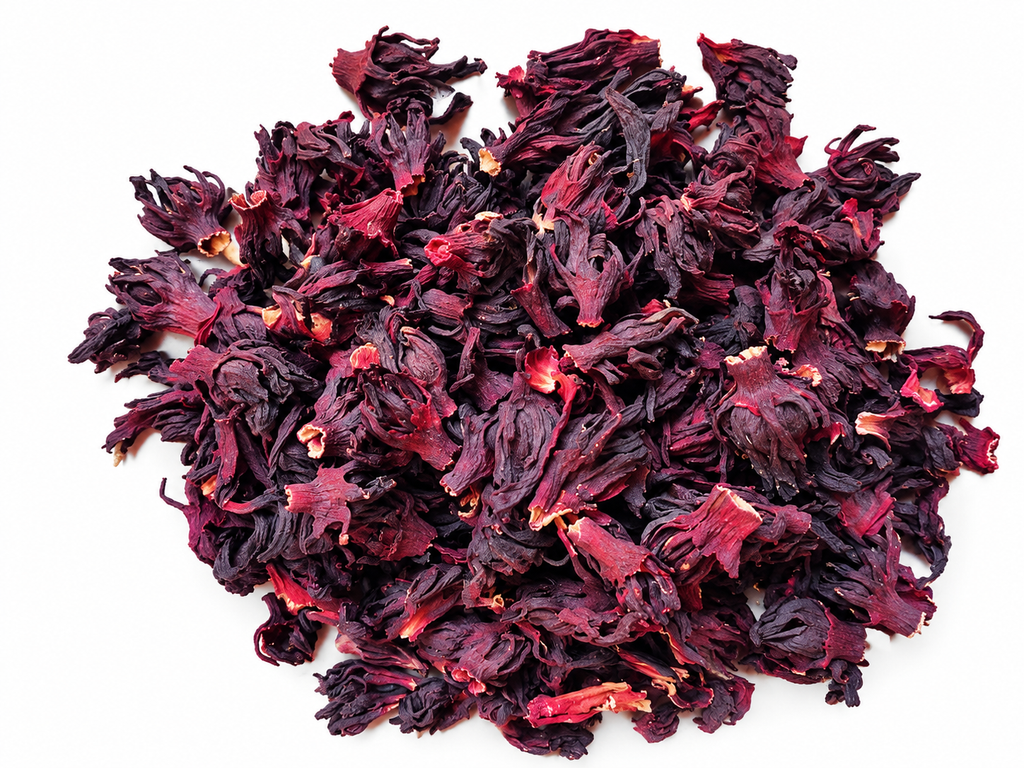
The deep red color of hibiscus flower is more than a visual signature it represents a crop with growing importance across tea, beverage, food, and natural ingredient markets worldwide.
Known scientifically as Hibiscus sabdariffa, the dried calyxes of this plant are widely used to prepare herbal teas, refreshing drinks, extracts, and food products. As interest in naturally sourced ingredients continues to grow, hibiscus flower has become an increasingly traded agricultural commodity.
What Is Hibiscus Flower?
Hibiscus flower, commonly called Rosella or sorrel in different markets, comes from Hibiscus sabdariffa, a plant belonging to the Malvaceae family. After harvesting, the calyxes are carefully separated, dried, and prepared for storage or further processing.
The dried calyxes have a characteristic deep red appearance and a naturally tart flavor, making them suitable for a variety of applications.
Why Hibiscus Flower Is Popular
One of the main reasons for the rising demand for dried hibiscus is its versatility.
It can be used in:
- Herbal and botanical teas
- Cold hibiscus beverages
- Juice and drink formulations
- Food and beverage ingredients
- Botanical extracts
- Blended tea products
- Natural-color applications
- Traditional food preparations
This broad range of uses allows hibiscus flower to serve different industries rather than depending on a single market.
Nigerian Hibiscus Flower in International Trade
Nigeria has become an important source of dried hibiscus flower, supported by suitable growing conditions and established agricultural supply networks.
For international buyers, Nigerian hibiscus can be supplied in bulk for importers, wholesalers, tea companies, beverage manufacturers, and ingredient processors. Depending on the buyer’s requirements, considerations may include flower size, cleanliness, moisture level, packaging, quantity, and required export documentation.
For exporters, maintaining consistency from harvesting through drying, sorting, storage, and shipment is essential for building reliable international supply relationships.
What Buyers Look for in Dried Hibiscus
Quality requirements can vary according to the final application and destination market. However, commercial buyers commonly pay attention to several important characteristics.
Color: Well-dried hibiscus generally retains a strong natural red appearance.
Moisture: Controlled moisture helps support proper storage and reduces the risk of deterioration.
Cleanliness: Buyers generally expect the product to be free from excessive foreign matter and unwanted materials.
Appearance: Large, intact calyxes may be preferred for certain tea and botanical applications, while cut or sifted material may suit other processing requirements.
Packaging: Suitable food-grade inner protection and strong outer packaging help protect the product during transportation and storage.
From Harvesting to Export
The quality of dried hibiscus begins in the field. Proper harvesting is followed by careful drying and handling to preserve the characteristics of the calyxes.
Once dried, the product can be sorted and inspected before being packed into suitable bulk packaging. For export shipments, documentation and logistics must also be coordinated according to the destination and buyer’s requirements.
This process is particularly important when shipping agricultural products internationally because the product may travel long distances before reaching the final processor or manufacturer.
The Future of the Hibiscus Flower Market
The global interest in botanical ingredients continues to create opportunities for agricultural producers and exporters. Hibiscus stands out because it combines a distinctive appearance, recognizable flavor, and multiple commercial applications.
For Nigerian suppliers, the opportunity is not simply to increase volumes but to build dependable supply chains based on consistent quality, transparent communication, appropriate packaging, and reliable export procedures.
For international buyers, establishing a relationship with a capable supplier can make it easier to source dried hibiscus consistently for long-term production.
Final Thoughts
Hibiscus flower has evolved from a traditional agricultural crop into an internationally traded botanical ingredient with applications across tea, beverages, food, and other industries.
As demand for naturally sourced ingredients continues to develop, Hibiscus sabdariffa from Nigeria has strong potential in global markets. The key to sustainable growth lies in consistent quality, careful handling, dependable supply, and professional international trade practices.