
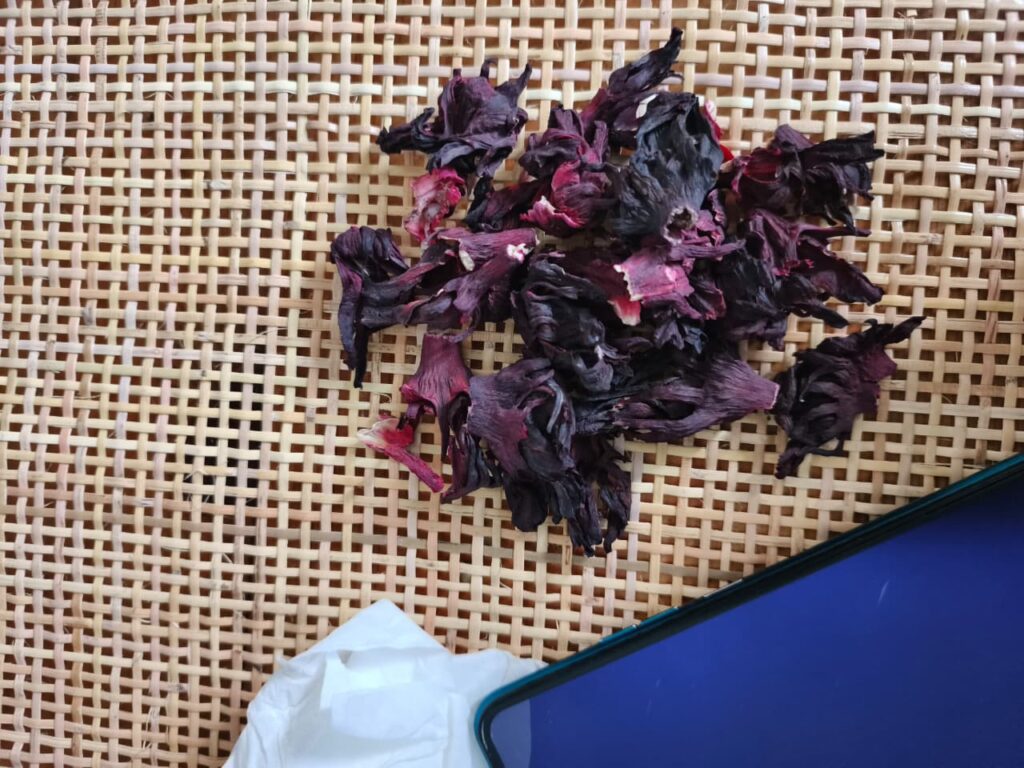
As beverage manufacturers continue to expand plant-based product lines, hibiscus has gained attention as a versatile ingredient that combines visual appeal with practical functionality. Its natural pigmentation, compatibility with infusions, and adaptability in formulations make it suitable for a wide range of beverage applications. Scientifically known as Hibiscus sabdariffa, hibiscus is increasingly integrated into modern beverage development across regional and international markets.
Its growing relevance reflects the broader movement toward plant-derived ingredients in commercial production.
Natural Ingredient Integration
Hibiscus fits well into plant-based beverage formulations because of its natural characteristics:
- Deep red botanical pigmentation
- Mild tart flavor profile
- Compatibility with herbal and fruit blends
These properties support diverse beverage concepts.
Flexibility in Beverage Formulation
Manufacturers use hibiscus in different beverage styles and processing systems.
Applications may include:
- Herbal infusions
- Functional beverage blends
- Chilled and ready-to-drink products
Its flexibility allows adaptation to different production requirements.
Processing Compatibility
Hibiscus can be incorporated into multiple manufacturing environments with relatively simple preparation.
Key preparation stages often include:
- Cleaning and impurity removal
- Moisture-controlled drying
- Sorting for improved consistency
These steps help maintain stable production performance.
Consumer Preference Trends
The increasing use of hibiscus is also influenced by changing consumer preferences:
- Interest in plant-based ingredients
- Demand for naturally colored beverages
- Preference for recognizable botanical products
These trends continue to support market growth.
Importance of Consistent Supply
Reliable sourcing remains important for manufacturers working with hibiscus:
- Consistent color across batches
- Stable moisture levels during storage
- Uniform handling and packaging practices
Consistency supports smoother manufacturing operations.
International Commercial Presence
Hibiscus has long-standing cultural and commercial recognition in different regions. It is commonly known as:
- Zobo in West Africa
- Karkade in North Africa and the Middle East
- Agua de Jamaica in Latin America
Its global familiarity contributes to sustained international demand.
Product Characteristics Supporting Industry Use
Several natural properties support the use of hibiscus in beverage innovation:
- Naturally contains antioxidants
- Suitable for clean-label product development
- Naturally caffeine-free
- Contains Vitamin C
These characteristics align with modern beverage market preferences.
Conclusion
Hibiscus continues to expand its role in plant-based beverage innovation due to its versatility, recognizable appearance, and compatibility with different formulation styles. Stable processing, proper handling, and consistent supply remain essential for maintaining product usability across manufacturing systems.
Ziha Universal Company Nig Limited supplies dried hibiscus flower processed with attention to practical handling and quality management standards, supporting reliable use in international beverage applications.