
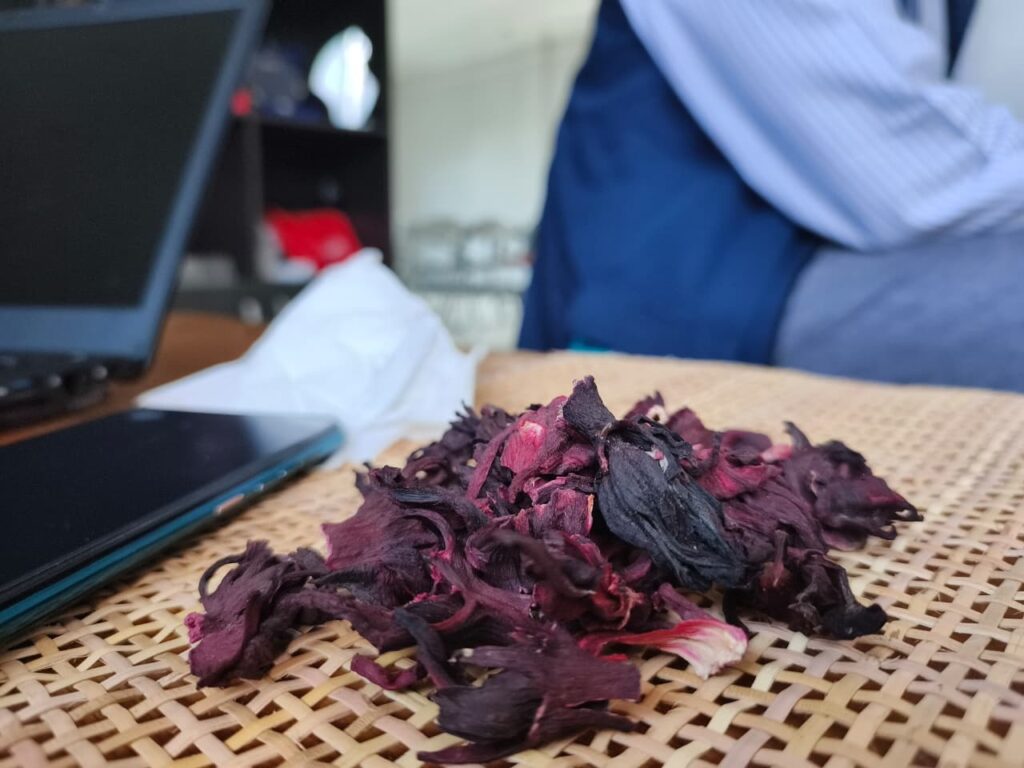
The dried hibiscus flower has become an important agricultural product in international trade due to its natural color, versatility, and wide use in beverage production. Across different regions, manufacturers and buyers value hibiscus for its ability to deliver consistent functionality in both traditional and industrial applications. Scientifically known as Hibiscus sabdariffa, hibiscus is recognized for its deep red appearance, balanced acidity, and adaptability in processing environments.
As global demand continues to expand, quality management and proper handling remain essential for maintaining product consistency.
Cultivation and Harvesting
The quality of dried hibiscus begins at the cultivation stage. Agricultural practices influence the appearance, stability, and usability of the final product.
Key cultivation factors include:
- Suitable climate conditions for healthy plant growth
- Proper harvest timing to achieve mature calyces
- Careful field handling to reduce contamination
Well-managed harvesting supports better post-harvest processing.
Drying and Post-Harvest Processing
Drying is one of the most important stages in preserving hibiscus quality after harvest.
Proper drying helps:
- Reduce moisture for safer storage
- Maintain natural color stability
- Lower the risk of spoilage during transportation
After drying, sorting and cleaning improve product consistency and reduce foreign matter.
Quality Characteristics
Buyers often evaluate hibiscus based on several practical characteristics:
- Uniform red color
- Stable moisture levels
- Cleanliness and low foreign matter
- Consistent calyx size and appearance
These qualities support smoother processing and more reliable production results.
Packaging and Storage
Proper packaging and storage help preserve hibiscus during export and long-term handling.
Important storage considerations include:
- Dry and ventilated storage conditions
- Moisture-resistant packaging materials
- Protection from contamination and direct humidity exposure
Correct storage helps maintain product stability over time.
Uses in Beverage and Food Production
Hibiscus is widely used because of its functional and visual properties.
Common applications include:
- Herbal and infused beverages
- Ready-to-drink formulations
- Ingredient blending in food and beverage products
Its natural pigmentation and mild tartness make it suitable for different formulations.
Global Recognition and Consumption
Hibiscus is consumed in many regions under different names:
- Zobo in West Africa
- Karkade in North Africa and the Middle East
- Agua de Jamaica in Latin America
Its widespread use reflects its strong cultural and commercial relevance.
Market Demand and Industry Relevance
Several factors contribute to the continued demand for hibiscus:
- Naturally contains antioxidants
- Suitable for clean-label product development
- Naturally caffeine-free
- Contains Vitamin C
These characteristics support ongoing interest from manufacturers and consumers.
Conclusion
Dried hibiscus flower remains an important product in global agricultural trade due to its versatility, recognizable appearance, and broad market use. Consistent cultivation, proper drying, clean handling, and stable storage all contribute to maintaining product quality across the supply chain.
Ziha Universal Company Nig Limited supplies dried hibiscus flower processed with attention to practical quality standards, supporting reliable use in beverage and food production across international markets.