
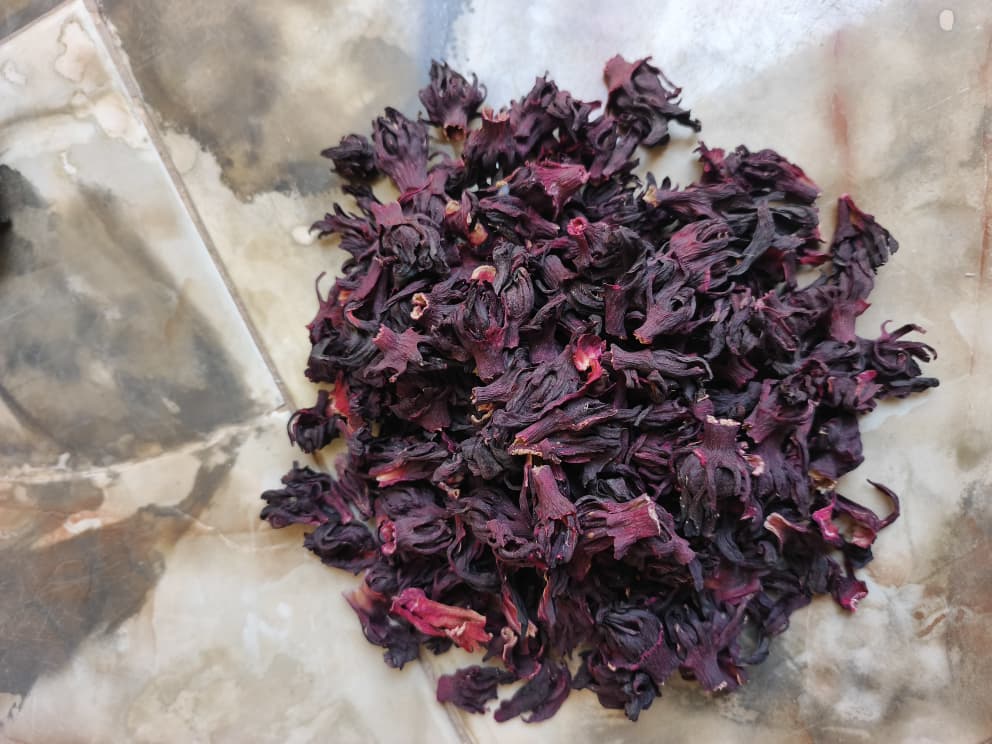
Global agricultural commerce is becoming increasingly transparent. Businesses, manufacturers, and consumers are placing greater importance on understanding where products originate, how they move through commercial channels, and the systems that support their journey. Within the dried hibiscus flower industry, traceability has emerged as an important business principle that strengthens confidence, improves information management, and supports more informed commercial decisions. Scientifically known as Hibiscus sabdariffa, dried hibiscus flower is part of a global agricultural network where reliable information has become as valuable as the commodity itself.
Traceability is no longer viewed as a supporting function it is becoming an essential part of modern agricultural commerce.
Following the Product’s Commercial Identity
Every agricultural product has a commercial identity that develops throughout its lifecycle.
Traceability helps organize information related to:
- Production batches
- Processing records
- Storage history
- Distribution pathways
A structured information trail improves business visibility.
Transforming Records Into Business Knowledge
Documentation serves a greater purpose when it helps organizations understand their own operations.
Well-maintained records allow businesses to:
- Review historical activities
- Analyze operational performance
- Improve future planning
- Strengthen internal organization
Information becomes a valuable management resource rather than simply an archive.
Improving Communication Across Industries
Agricultural products often pass through multiple organizations before reaching their final destination.
A traceable system supports communication among:
- Producers
- Processing facilities
- Trading companies
- Manufacturers
- Commercial distributors
Better information exchange contributes to smoother business interactions.
Supporting Continuous Improvement
Traceability provides businesses with opportunities to evaluate and refine their processes over time.
Organizations can use collected information to:
- Identify operational patterns
- Improve workflow efficiency
- Strengthen business planning
- Enhance organizational learning
Continuous improvement begins with reliable information.
Building Confidence Through Transparency
Transparency is strengthened when businesses can clearly organize and communicate relevant commercial information.
Traceability contributes to:
- Greater accountability
- Improved operational visibility
- Better business coordination
- Stronger professional confidence
Clear information supports stronger commercial relationships.
Preparing for the Future of Agricultural Trade
As international commerce continues to evolve, businesses are increasingly integrating digital systems, organized record management, and data-driven decision-making into everyday operations. Traceability is expected to remain an important component of this transformation, helping agricultural industries become more connected, informed, and responsive.
Conclusion
Traceability is reshaping the dried hibiscus flower industry by improving visibility, strengthening communication, and supporting informed decision-making throughout the commercial process. As businesses continue to embrace organized information management, traceability will remain an important contributor to efficiency, transparency, and sustainable growth in global agricultural commerce.