
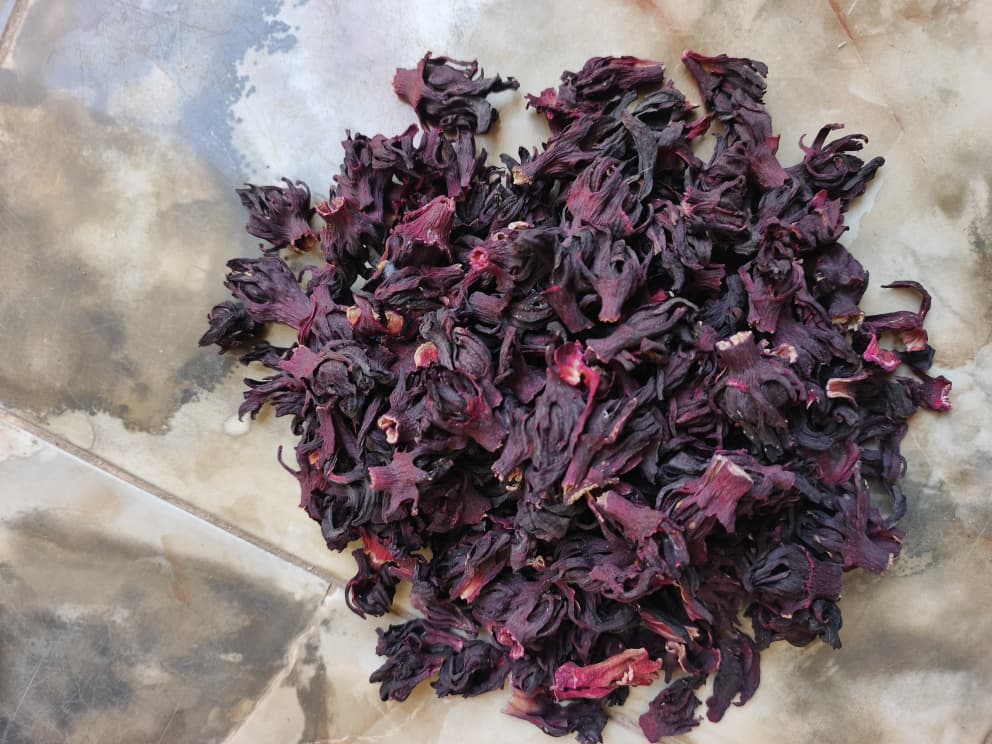
International markets are influenced by changing consumer preferences, industrial requirements, and evolving sourcing strategies. These factors shape the demand for agricultural commodities and determine how products move through global supply chains. Among the crops that continue to attract commercial interest is dried hibiscus flower. Scientifically known as Hibiscus sabdariffa, hibiscus has established itself as a globally traded agricultural commodity because it serves multiple industries and adapts to a wide range of commercial applications.
Understanding what drives demand allows businesses to make informed sourcing and investment decisions.
Expanding Industrial Applications
One of the strongest demand drivers is the versatility of dried hibiscus flower.
It is incorporated into numerous commercial sectors, including:
- Food processing
- Beverage manufacturing
- Herbal product production
- Natural ingredient formulation
Its adaptability allows the product to remain relevant across different industries.
Diversification of International Buyers
The profile of hibiscus buyers has broadened over time.
Today’s international market includes:
- Import and export companies
- Ingredient distributors
- Food manufacturers
- Private label producers
- Wholesale traders
A wider customer base contributes to sustained commercial activity.
The Influence of Global Trade Networks
Modern trade infrastructure enables agricultural products to reach markets that were previously difficult to access.
Improved trade networks support:
- Faster international distribution
- Broader market coverage
- Increased sourcing opportunities
- Better commercial connectivity
Efficient trade routes strengthen global market participation.
The Growing Importance of Supply Flexibility
International buyers increasingly value suppliers that can respond to changing business requirements.
Supply flexibility may include:
- Multiple packaging solutions
- Different shipment volumes
- Customized delivery arrangements
- Adaptable procurement programs
Flexible supply systems improve customer satisfaction.
Market Intelligence as a Competitive Tool
Businesses that study market developments are often better prepared to recognize new opportunities.
Monitoring market activity helps companies:
- Identify emerging regions
- Understand purchasing patterns
- Improve business planning
- Respond to commercial changes
Knowledge supports stronger strategic decisions.
Innovation in Agricultural Commerce
Digital communication, improved logistics technologies, and modern supply chain management continue to reshape agricultural trade.
These developments help businesses:
- Communicate more efficiently
- Coordinate international transactions
- Improve procurement processes
- Expand into new markets
Innovation continues to influence the future of agricultural exports.
Looking Toward the Future
As industries continue to diversify their sourcing strategies, dried hibiscus flower is expected to remain an important agricultural commodity. Businesses that understand market trends, respond to customer expectations, and adapt to changing trade conditions will be better positioned for sustainable growth in the international marketplace.
Conclusion
The global demand for dried hibiscus flower is driven by industrial diversity, expanding international trade, flexible sourcing requirements, and continuous market evolution. Understanding these demand drivers helps businesses strengthen their market position and build resilient supply strategies for the future.