
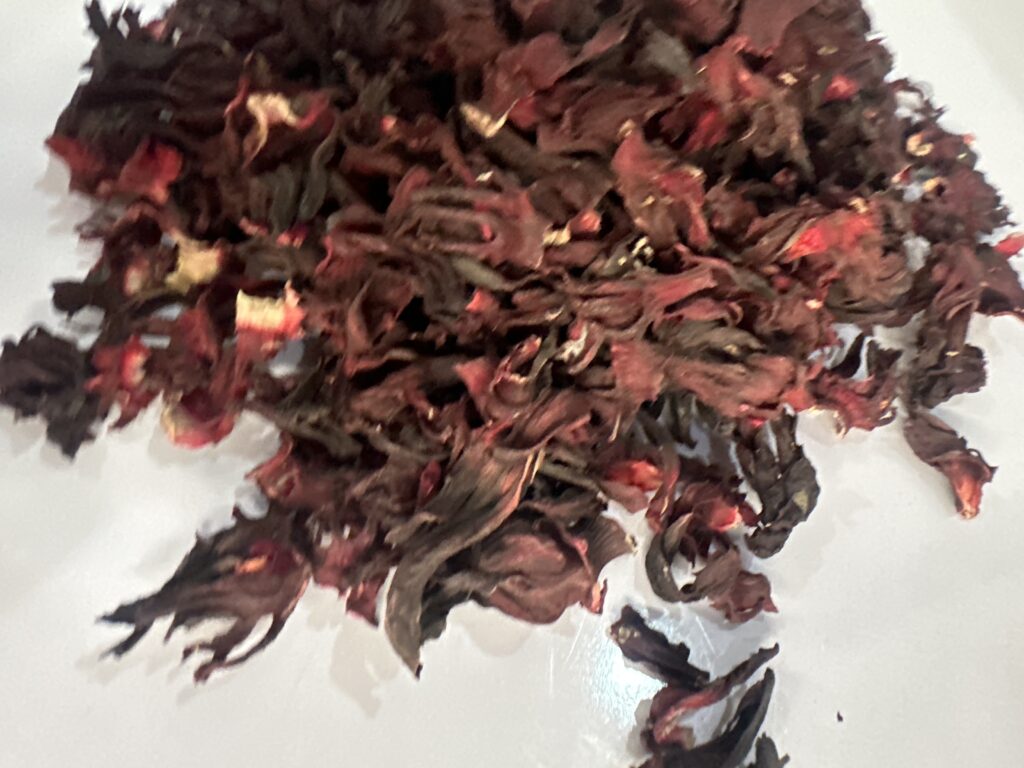
The hibiscus flower is one of the most popular natural ingredients used in herbal beverages, traditional medicine, and food products. Known for its deep red color and refreshing tart flavor, hibiscus has been enjoyed for centuries in many cultures around the world. Today, it is widely recognized as an important ingredient in herbal teas and natural health products.
As the demand for organic and plant-based products continues to increase, dried hibiscus flowers have become a valuable commodity in international agricultural trade.
What Is Hibiscus Flower?
Hibiscus is a tropical plant that belongs to the Malvaceae family. The most widely used variety for beverages and food production is Hibiscus sabdariffa, commonly called roselle. The edible part of the plant is the calyx, which is harvested and dried to produce the bright red petals used in hibiscus tea.
These dried hibiscus calyces are known for their sour taste, vibrant color, and high nutritional value.
Hibiscus grows well in warm climates such as Africa, Asia, and parts of Latin America. Nigeria is one of the leading countries producing and exporting high-quality dried hibiscus flowers.
Nutritional Benefits of Hibiscus
Hibiscus flowers contain a wide range of nutrients and beneficial plant compounds that support overall health. These include:
- Vitamin C
- Iron
- Calcium
- Flavonoids
- Anthocyanins
- Organic acids
These natural compounds help protect the body from oxidative stress and support the immune system.
Health Benefits of Hibiscus Flower
Helps Maintain Healthy Blood Pressure
Hibiscus tea is widely consumed for its potential to help maintain normal blood pressure levels and support heart health.
Rich in Antioxidants
The antioxidants found in hibiscus help protect the body against free radicals and oxidative damage.
Supports Digestive Health
Hibiscus beverages may help improve digestion and promote a healthy digestive system.
Assists With Weight Management
Many people include hibiscus tea in their daily routine because it may help support metabolism and weight control.
Boosts Immune System
The high vitamin C content in hibiscus helps strengthen the immune system and support overall wellness.
Popular Uses of Hibiscus
Hibiscus flowers are widely used across many industries.
Herbal Tea Production
Hibiscus tea is one of the most popular herbal beverages due to its refreshing taste and natural health benefits.
Traditional Beverages
In West Africa, hibiscus is used to produce the well-known drink called zobo, while in Latin America it is commonly known as agua de jamaica.
Food Processing
Hibiscus is used in jams, sauces, syrups, desserts, and natural food coloring because of its vibrant pigment.
Cosmetic Industry
Hibiscus extracts are also used in skincare and beauty products due to their antioxidant properties.
Rising Global Demand for Hibiscus
The global demand for hibiscus flowers has grown significantly in recent years due to the increasing popularity of herbal teas and natural beverages.
Major importing regions include:
- Europe
- United States
- Middle East
- Asia
International buyers often look for hibiscus with deep red color, clean calyces, low moisture levels, and proper packaging suitable for export.
Reliable Hibiscus Supplier
Quality and proper processing are essential in the hibiscus export industry. Proper harvesting, drying, and packaging ensure that hibiscus products meet international standards.
Ziha Universal Company Nig Limited is dedicated to supplying premium-quality dried hibiscus flowers to global markets, providing reliable export services and consistent product quality.
Conclusion
The hibiscus flower continues to gain worldwide recognition as a valuable natural product with many health benefits. Its refreshing taste, nutritional value, and growing international demand make it an important ingredient in beverages and health products.
Through trusted suppliers like Ziha Universal Company Nig Limited, international buyers can access high-quality dried hibiscus flowers that meet global standards and support the expanding herbal market.