
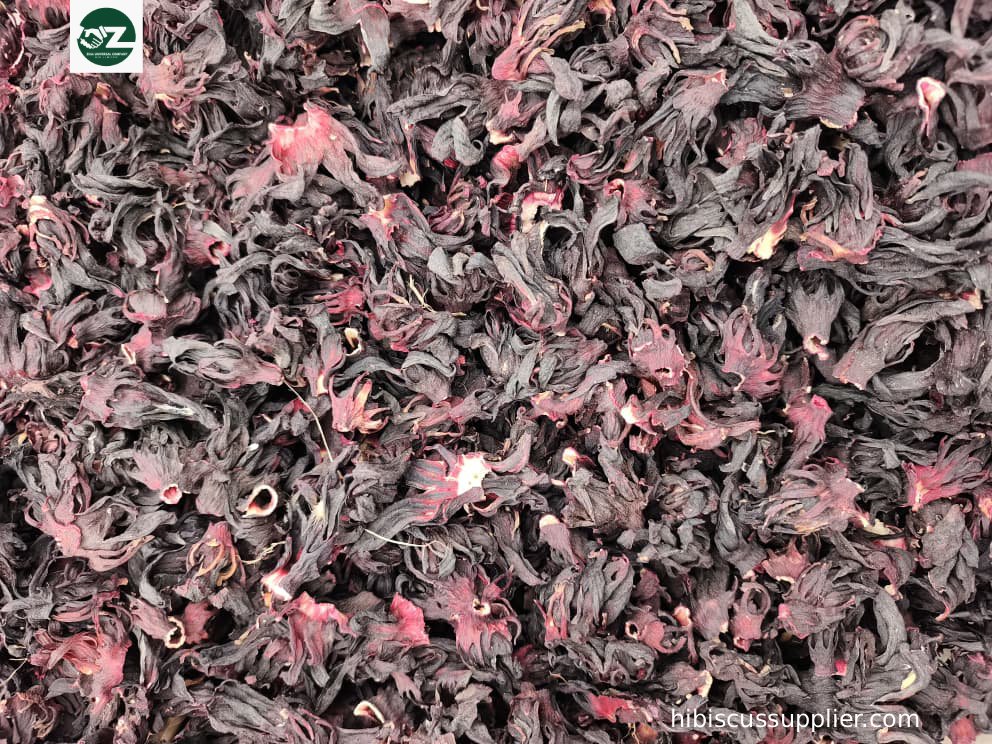
Agriculture follows a rhythm that cannot be separated from nature.
Additionally, seasons, rainfall, sunlight, soil conditions, and harvesting periods influence how agricultural commodities are produced.
Post-harvest practices and processing shape readiness for commercial use.
The dried hibiscus flower industry remains deeply connected to natural cycles.
Scientifically known as Hibiscus sabdariffa.
Behind every dried flower is a story written partly by the environment in which it was grown.
Agriculture Begins With the Season
Unlike manufactured goods, agricultural commodities depend on biological cycles.
The development of hibiscus is influenced by factors such as:
- Rainfall patterns
- Temperature
- Sunlight
- Soil conditions
- Cultivation practices
Understanding these factors is fundamental to responsible agricultural production.
Harvesting Marks a Critical Transition
Harvesting represents the point where cultivation becomes post-harvest management.
At this stage, careful handling becomes important because the harvested material must transition from its natural state toward a stable dried form.
This transition requires attention to:
- Timing
- Handling
- Drying conditions
- Storage preparation
Each step influences the subsequent stage.
Drying Changes the Nature of the Product
For the hibiscus flower, drying is more than simply removing moisture.
Moreover, it transforms fresh plant material into a form that can be stored, handled, and used in commercial applications.
The drying process influences:
- Appearance
- Stability
- Storage characteristics
- Handling properties
This makes post-harvest management an important part of the agricultural cycle.
Nature and Commerce Meet
Once dried, hibiscus enters a very different environment.
Natural agricultural cycles become connected with:
- Food manufacturing
- Beverage production
- Herbal applications
- Ingredient development
- International commerce
A crop grown according to natural rhythms can ultimately participate in highly sophisticated global industries.
Each Season Provides New Experience
Agricultural production is also a continuous learning process.
Additionally, every growing cycle provides opportunities to understand the hibiscus flower’s development. Observers can track how light, temperature, and soil conditions influence bud formation and color. With systematic notes, growers identify patterns and refine care routines for healthier plants and more consistent blooms.
Consequently, these insights translate into better strategies for pruning, watering, and fertilization. By reviewing outcomes after each cycle, growers reduce surprises and improve yields across seasons. Consistent monitoring helps predict flowering windows and supports steady quality in harvests.
- Environmental variations
- Agricultural performance
- Harvest timing
- Post-harvest conditions
Experience accumulated across seasons can support better preparation for future cycles.
Respecting Nature Supports Continuity
Agricultural industries depend on the continued productivity of natural resources.
Additionally, responsible cultivation and thoughtful resource management therefore contribute to the long-term continuity of the sector.
The future of agricultural commerce depends on maintaining a productive relationship between human activity and natural systems.
From Natural Cycle to Global Marketplace
The journey of dried hibiscus flower demonstrates the remarkable connection between nature and international commerce. What begins as a seasonal agricultural process can eventually become part of food, beverage, herbal, and ingredient industries across different regions of the world.
The global marketplace may operate continuously, but agriculture remains deeply connected to nature’s rhythm.
Conclusion
The dried hibiscus flower industry depends on cycles in nature and human effort. From cultivation and seasonal growth to harvesting and drying, each stage links farming to the economy. Understanding this rhythm clarifies how Hibiscus sabdariffa becomes a valuable part of global trade.
Moreover, this rhythm helps explain the global role of Hibiscus sabdariffa in trade. It reveals the industry’s dependence on harvest cycles, quality control, and market demand. Growers, processors, and traders coordinate timing to move value across borders.