
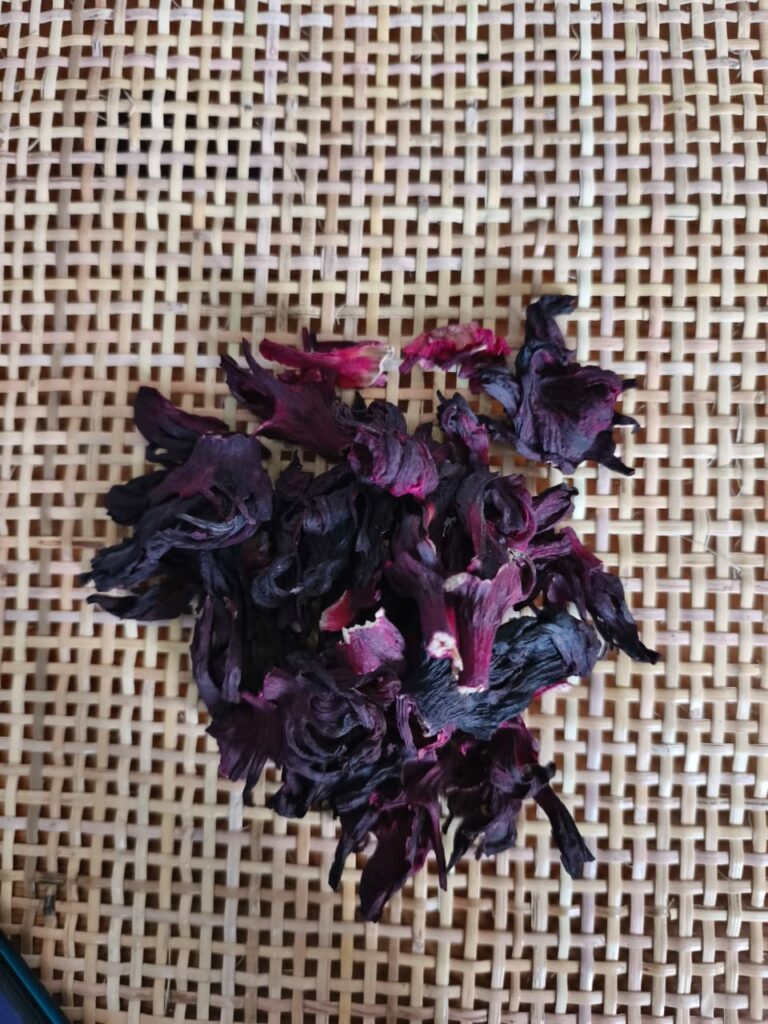
In international agricultural trade, supply flexibility has become an important factor for businesses working with dried hibiscus flower. Buyers often operate with changing production schedules, seasonal demand shifts, and varying order sizes, making adaptable supply systems increasingly valuable. Scientifically known as Hibiscus sabdariffa, hibiscus is traded globally in dried form, allowing it to move efficiently across different commercial channels.
Flexible supply practices help businesses respond to market changes more effectively.
Adapting to Different Order Volumes
Commercial demand is rarely identical from one buyer to another.
Supply systems may need to support:
- Small trial shipments for evaluation
- Medium-scale commercial orders
- Bulk volume supply for manufacturing needs
Adaptability helps suppliers serve broader market segments.
Responding to Seasonal Demand Changes
Market activity may vary throughout the year:
- Higher purchasing periods in some regions
- Inventory planning before peak demand
- Supply adjustments during slower cycles
Flexible planning supports market continuity.
Logistics Coordination
Transportation systems often require adaptability:
- Different shipment timelines
- Coordination with freight availability
- Packaging preparation for varying quantities
Efficient logistics reduce disruptions.
Supporting Buyer Production Schedules
Manufacturers may depend on predictable delivery timing.
Supply flexibility can help with:
- Scheduled replenishment planning
- Reduced interruptions in operations
- Better inventory coordination
Reliable timing supports smoother production.
Communication and Planning
Adaptable supply systems often rely on clear coordination:
- Transparent shipment discussions
- Order confirmation processes
- Planning based on availability and timing
Strong communication improves operational efficiency.
Long-Term Commercial Benefits
Flexible supply relationships may contribute to:
- Stronger buyer retention
- Better responsiveness to market conditions
- Increased confidence in sourcing partnerships
Adaptability supports business growth.
Conclusion
Supply flexibility plays an increasingly important role in the hibiscus flower business by helping suppliers and buyers manage changing demand, logistics, and production schedules. Organized planning and adaptability support stronger commercial performance.
Ziha Universal Company Nig Limited supplies dried hibiscus flower with attention to organized coordination, reliable handling, and flexible supply support for international markets.