
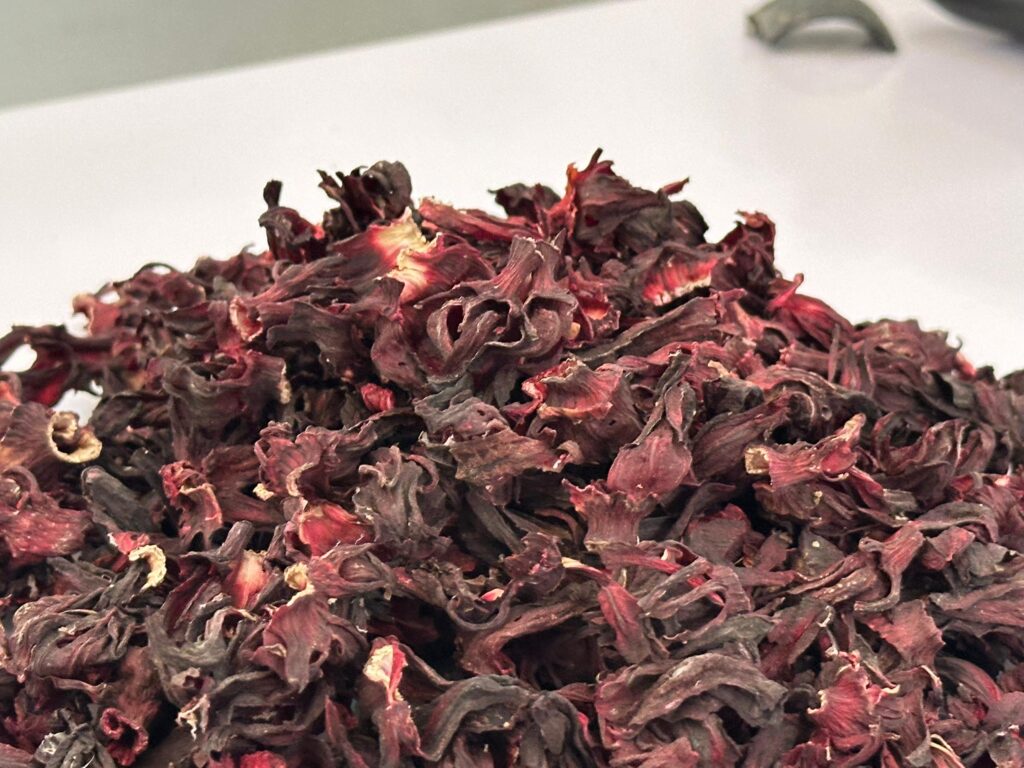
The global shift toward healthier lifestyles has significantly increased the demand for natural and plant-based beverages. Among the leading botanical ingredients driving this trend is hibiscus, a flower widely appreciated for its vibrant appearance and refreshing taste. Scientifically known as Hibiscus sabdariffa, hibiscus is now a key component in herbal teas, infused drinks, and functional beverages across international markets.
Its growing popularity reflects its ability to meet modern consumer preferences for natural, flavorful, and caffeine-free products.
Ideal Growing Conditions and Harvesting
Hibiscus thrives in tropical and subtropical climates where warm temperatures and fertile soil support healthy growth. Farmers cultivate Hibiscus sabdariffa primarily for its bright red calyces, which develop after the flowering stage.
These calyces are harvested at full maturity to ensure premium quality. After harvesting, they are cleaned and dried under hygienic conditions to preserve their natural color, flavor, and aroma.
The drying process is essential for maintaining shelf life and ensuring the product meets international export standards.
Distinctive Flavor and Application
Hibiscus is widely recognized for its unique taste and striking color. When dried calyces are infused in hot water, they produce a rich red beverage with a pleasantly tart and fruity flavor.
This distinctive profile makes hibiscus suitable for a wide range of beverage applications. It can be served hot as a soothing herbal tea or cold as a refreshing drink.
Many beverage producers enhance hibiscus drinks by combining them with natural ingredients such as ginger, lemon, mint, or honey to create innovative and appealing blends.
Cultural Heritage and Global Popularity
Hibiscus beverages have been part of cultural traditions for generations and are enjoyed in many regions of the world.
In Nigeria and across West Africa, the drink is commonly known as Zobo. In Egypt and Sudan it is widely referred to as Karkade, while in Mexico and various Latin American countries it is called Agua de Jamaica.
These traditional drinks highlight the global acceptance of hibiscus as a refreshing natural beverage.
Natural Benefits and Consumer Appeal
Hibiscus is not only valued for its taste but also for its natural compounds that support wellness.
Antioxidant-Rich Composition
Hibiscus contains antioxidants that help protect the body from oxidative stress.
Supports Cardiovascular Health
Studies suggest hibiscus tea may help maintain healthy blood pressure levels.
Natural Vitamin C Source
The flower provides vitamin C, which supports immune system function.
Naturally Caffeine-Free
Hibiscus tea offers a refreshing beverage without caffeine.
These qualities have contributed to hibiscus becoming a popular choice among health-conscious consumers worldwide.
Expanding Opportunities in Global Trade
The international market for herbal teas and natural beverages continues to grow, creating strong demand for high-quality dried hibiscus flowers. Beverage manufacturers and tea companies rely on reliable suppliers to meet consumer expectations.
Maintaining strict quality standards in harvesting, drying, and packaging is essential for success in global markets.
Ziha Universal Company Nig Limited contributes to this growing industry by supplying premium dried hibiscus flowers to international buyers, ensuring consistency and quality.
Conclusion
Hibiscus has become one of the most important botanical ingredients in the modern beverage industry. Its vibrant color, refreshing taste, and natural benefits make it a preferred choice for herbal drink production.
As global demand for natural and plant-based beverages continues to rise, hibiscus will remain a valuable agricultural product connecting farmers, exporters, and beverage producers worldwide.
With strong international demand and trusted suppliers, hibiscus continues to stand out as a symbol of quality, freshness, and innovation in the beverage market.