
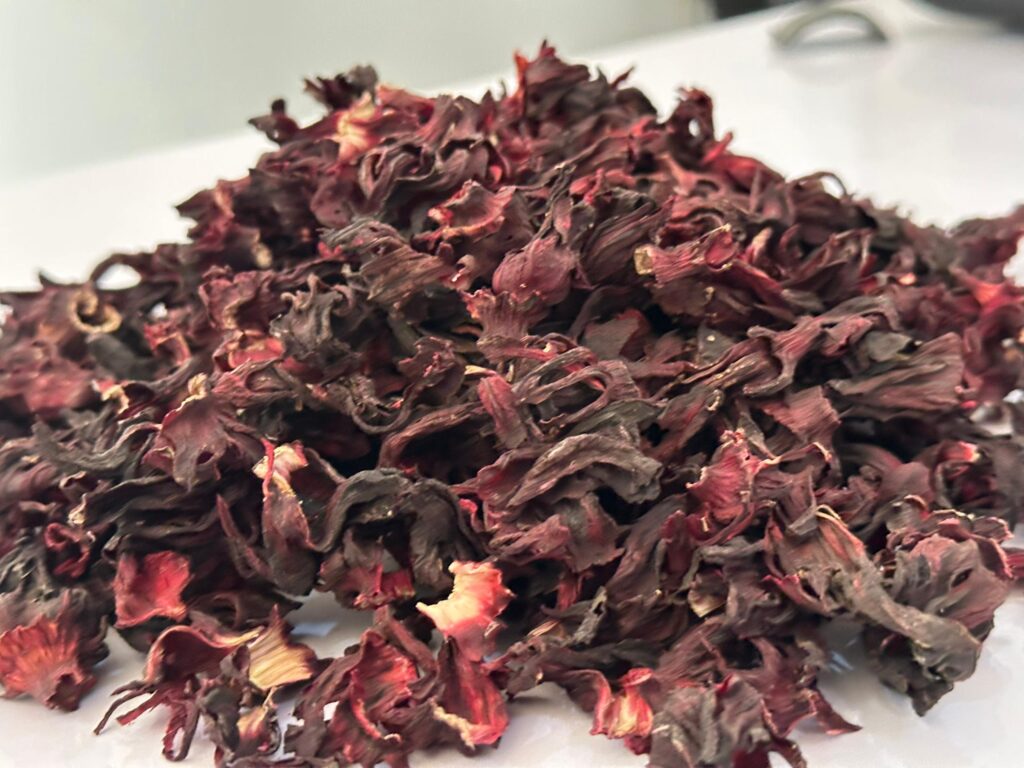
The global beverage industry continues to adapt to consumer demand for natural and plant-based products. As this trend expands, hibiscus has become a commonly used ingredient in many drink formulations. Scientifically known as Hibiscus sabdariffa, hibiscus is widely used in herbal teas, cold beverages, and traditional drinks across different regions.
Its steady presence in the market reflects its importance in both local consumption and industrial production.
Cultivation and Early Processing
Hibiscus grows in warm climates where sunlight and suitable soil conditions support healthy plant growth. Farmers cultivate Hibiscus sabdariffa mainly for its red calyces, which are used in beverage preparation.
After harvesting, the calyces are cleaned and dried to remove moisture while maintaining their natural characteristics. This process helps preserve color and flavor while allowing for efficient storage and transport.
Proper early processing ensures that hibiscus remains suitable for commercial use.
Flavor and Product Development
Hibiscus is known for its slightly tart and fruity taste. When dried calyces are infused in water, they produce a bright red drink that is refreshing and easy to prepare.
This makes hibiscus suitable for a wide range of beverages, including hot teas and cold drinks. It is often blended with ingredients such as ginger, lemon, or mint to create different taste variations.
Its natural acidity also supports blending with other plant-based ingredients in beverage development.
Cultural Usage
Hibiscus beverages are widely recognized across different cultures.
In Nigeria and across West Africa, the drink is called Zobo. In Egypt and Sudan it is known as Karkade, while in Mexico and Latin America it is referred to as Agua de Jamaica.
These names highlight the widespread cultural use of hibiscus as a refreshing beverage.
Natural Composition
Hibiscus contains naturally occurring compounds that contribute to its use.
Antioxidants
It contains antioxidants that help protect the body from oxidative stress.
Blood Pressure Support
Some studies suggest hibiscus tea may help support normal blood pressure levels.
Vitamin C
Hibiscus provides vitamin C, supporting immune function.
Caffeine-Free
Hibiscus drinks are naturally free from caffeine.
These features make hibiscus suitable for a wide range of consumers.
Global Trade and Supply
As the demand for herbal and plant-based beverages continues to increase, hibiscus remains an important product in international trade. Beverage manufacturers rely on consistent supplies of dried hibiscus flowers.
Ziha Universal Company Nig Limited contributes to this supply network by providing hibiscus to buyers across different countries, helping maintain steady availability in the beverage industry.
Conclusion
Hibiscus continues to serve as a dependable ingredient in the natural beverage sector. Its color, taste, and natural composition make it suitable for many types of drinks.
As consumer preferences continue to shift toward plant-based options, hibiscus will remain an important part of beverage production.
Its ongoing demand across global markets reflects its long-term relevance and practical value.