
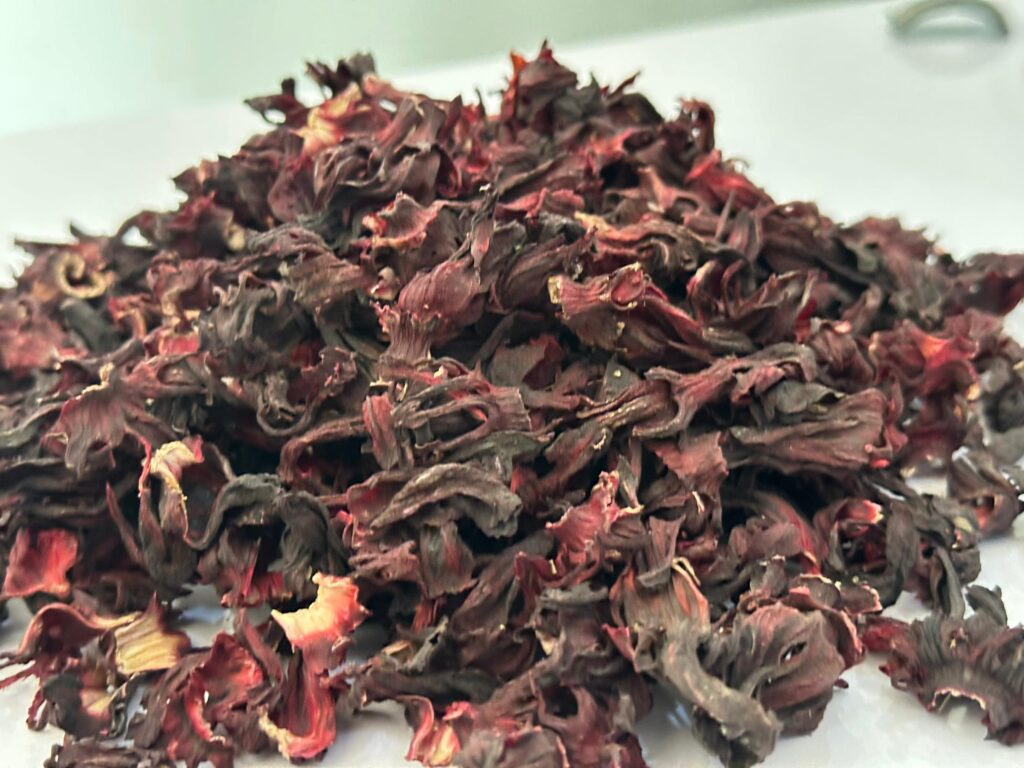
In today’s world, the demand for natural and plant-based beverages is steadily increasing. Consumers are searching for drinks that offer both refreshing flavor and natural ingredients. Among the many botanical options available, the hibiscus flower has become one of the most recognized and appreciated worldwide. Scientifically identified as Hibiscus sabdariffa, hibiscus is widely used in herbal beverages and natural food products.
Its vibrant appearance and distinctive taste have helped transform this traditional plant into a globally valued agricultural commodity.
A Tropical Plant With Remarkable Potential
Hibiscus grows naturally in warm tropical environments where sunlight and fertile soil support strong plant development. Farmers cultivate Hibiscus sabdariffa mainly for the red calyces that form after the flower blooms.
Once the calyces mature, they are harvested carefully to preserve their quality. They are then dried under controlled conditions to remove moisture and maintain their deep red color.
The drying process is essential because it allows hibiscus to be stored for long periods and transported safely to international markets.
A Flavor That Defines Hibiscus Drinks
Hibiscus beverages are known for their bold color and refreshing taste. When dried hibiscus calyces are infused in hot water, they release a bright red drink with a pleasantly tart flavor.
This distinctive taste is often compared to cranberry or berry-like fruits. The beverage can be enjoyed hot as a comforting herbal tea or served cold as a refreshing drink in warmer climates.
Many people enhance hibiscus drinks with natural ingredients such as ginger, mint, lemon, or honey to create unique and flavorful combinations.
Traditional Hibiscus Beverages
Hibiscus drinks have been enjoyed for generations in many regions of the world. Each culture has developed its own name and preparation style for the beverage.
In Nigeria and several West African countries, the drink is widely known as Zobo. In Egypt and Sudan it is commonly called Karkade, while in Mexico and parts of Latin America it is referred to as Agua de Jamaica.
These traditional drinks highlight the universal appeal of hibiscus as a natural and refreshing beverage.
Natural Compounds and Wellness Appeal
Hibiscus has gained increasing attention because of its natural plant compounds.
Antioxidant Properties
Hibiscus contains anthocyanins that help protect the body from oxidative stress.
Cardiovascular Support
Research suggests hibiscus tea may help support healthy blood pressure levels.
Vitamin C Content
The flower naturally provides vitamin C, which contributes to immune system strength.
Naturally Caffeine-Free
Hibiscus tea offers refreshing hydration without caffeine.
These qualities have helped hibiscus become popular among consumers seeking healthier drink options.
Hibiscus in International Trade
The rising demand for herbal beverages has created strong opportunities for hibiscus producers and exporters. Dried hibiscus flowers are widely used by tea companies, beverage manufacturers, and food producers across the globe.
Maintaining quality is essential for success in international markets. Proper harvesting, drying, and packaging ensure that hibiscus meets global standards.
Export companies such as Ziha Universal Company Nig Limited play an important role by supplying premium-quality dried hibiscus flowers to international buyers.
Conclusion
The hibiscus flower represents the perfect blend of tradition, agriculture, and modern consumer preferences. Its vibrant color, refreshing taste, and natural qualities have made it one of the most valuable botanical ingredients in the herbal beverage industry.
As global interest in natural and plant-based products continues to grow, hibiscus will remain an essential crop connecting farmers, exporters, and beverage industries around the world.
From traditional herbal drinks to modern global markets, hibiscus continues to shine as a true symbol of natural refreshment.