
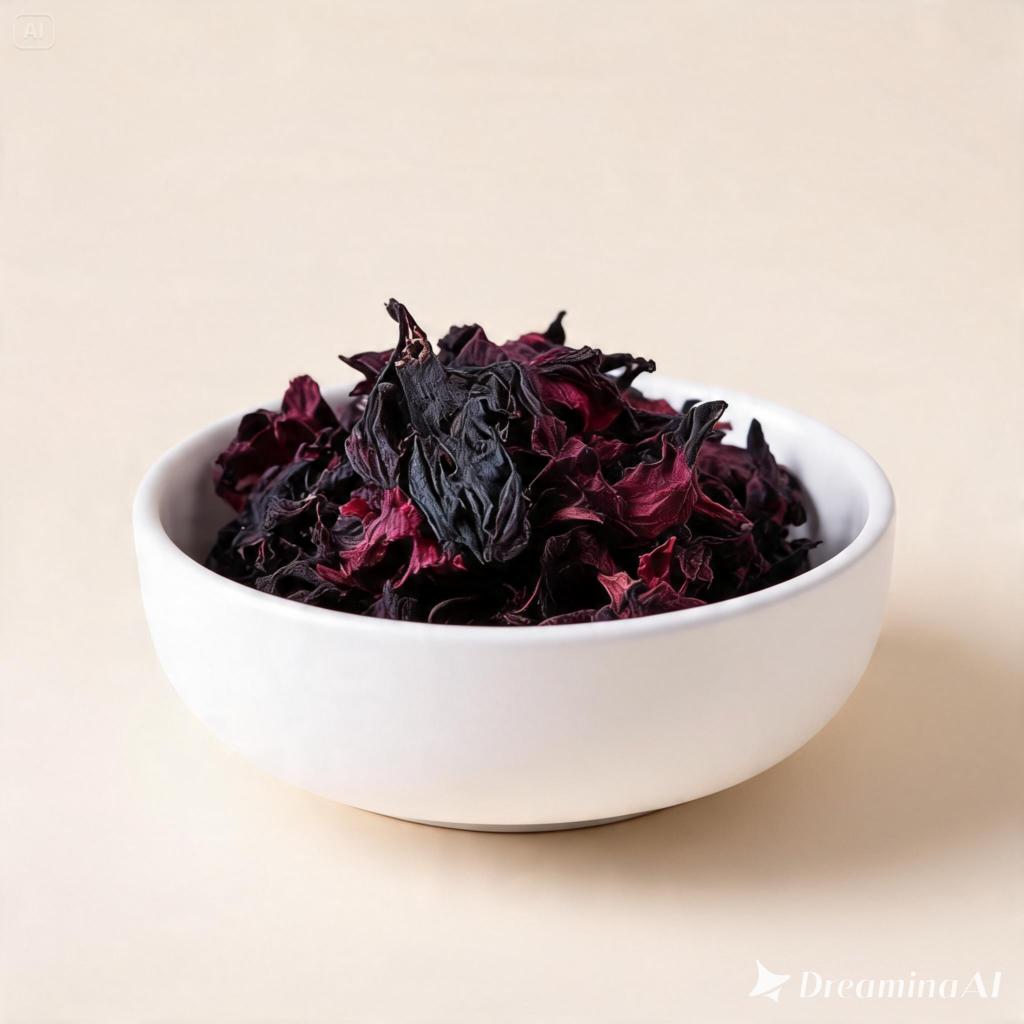
Agriculture and international commerce are closely connected, and few products illustrate this relationship better than dried hibiscus flower. From cultivation fields to overseas markets, hibiscus passes through a series of commercial stages that transform agricultural production into global business opportunities. Scientifically known as Hibiscus sabdariffa, hibiscus has become an established commodity within international trade networks due to its practicality and broad market acceptance.
Its journey highlights the importance of coordination between production and commerce.
From Agricultural Production to Market Supply
The commercial lifecycle of hibiscus begins with cultivation and harvesting.
These activities provide:
- Raw material for trade
- Seasonal production output
- The foundation for export supply chains
Agricultural productivity supports market participation.
Transforming Harvests into Trade Products
Before entering international markets, hibiscus undergoes preparation processes that may include:
- Drying and stabilization
- Cleaning and sorting
- Packaging and storage preparation
These steps help create a product suitable for commercial distribution.
Facilitating Cross-Border Trade
International commerce depends on products that can move efficiently across regions.
Hibiscus supports this through:
- Practical transportation requirements
- Compatibility with bulk trade systems
- Efficient export handling procedures
Trade-friendly characteristics support global movement.
Connecting Businesses Across Continents
The hibiscus industry links various participants within the supply chain, including:
- Producers
- Exporters
- Importers
- Distributors
These connections create opportunities for international cooperation.
Supporting Commercial Growth
As demand expands, hibiscus contributes to business development through:
- Increased trade activity
- New sourcing opportunities
- Expanded market access
Commercial growth benefits multiple sectors.
The Importance of Professional Coordination
Successful trade requires alignment between production, logistics, and customer service.
Professional coordination helps ensure:
- Smooth order execution
- Reliable shipment planning
- Consistent communication with buyers
Efficiency strengthens business relationships.
A Commodity with Long-Term Potential
Hibiscus continues to demonstrate value as a product capable of supporting both agricultural and commercial objectives. Its adaptability and compatibility with international trade systems position it for ongoing relevance in global markets.
Conclusion
Dried hibiscus flower serves as an important bridge between agriculture and international commerce. Through cultivation, processing, logistics, and trade coordination, it connects producers with buyers across the world and supports the growth of global agricultural business.
Ziha Universal Company Nig Limited supplies dried hibiscus flower through organized sourcing, professional processing, and dependable export coordination, helping connect agricultural production with international market demand.