
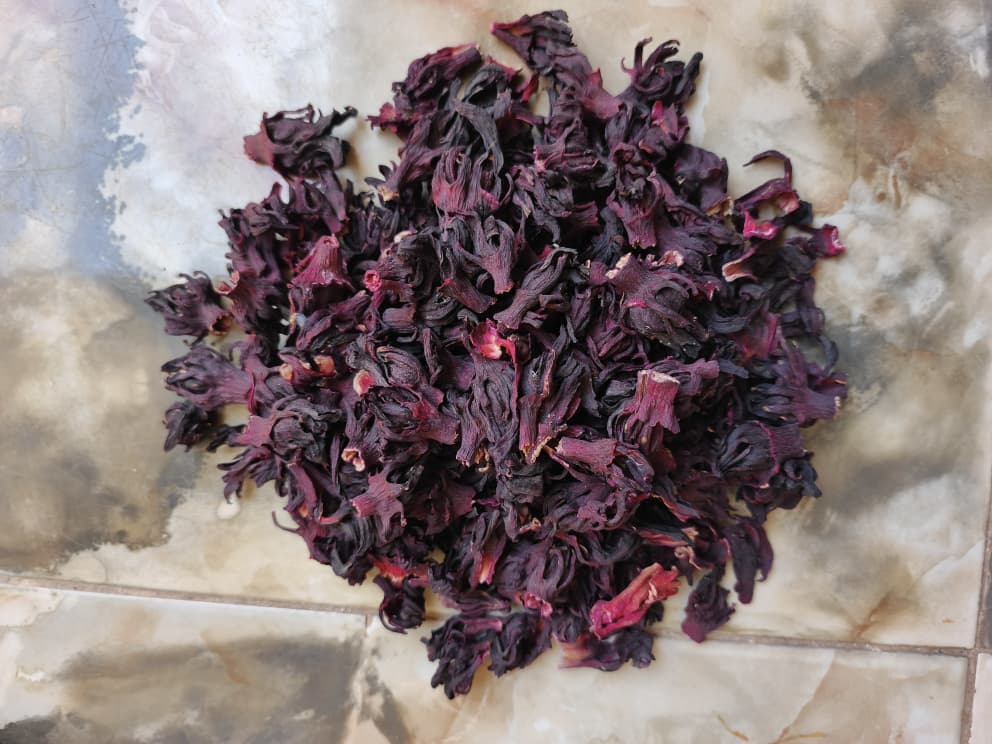
Every agricultural product has a story that extends far beyond the field where it is grown. Dried hibiscus flower is no exception. Its journey is a remarkable sequence of transformation, coordination, and international exchange that connects agriculture with commerce across continents. Scientifically known as Hibiscus sabdariffa, dried hibiscus flower has become an internationally recognized commodity because of the many stages that prepare it for global distribution.
Understanding this journey provides a broader appreciation of the industry’s complexity and its contribution to international trade.
The Beginning: Agricultural Cultivation
The journey starts with cultivation, where months of planning and field management lead to the development of mature hibiscus plants.
This stage focuses on:
- Crop establishment
- Seasonal field management
- Plant development
- Harvest preparation
Everything that follows depends on a successful agricultural foundation.
The Transformation Stage
After harvesting, the crop enters a period of transformation.
The objective is to prepare the harvested calyces for commercial use through activities such as:
- Drying
- Sorting
- Cleaning
- Product organization
These processes prepare the commodity for the next phase of its journey.
Entering the Commercial Network
Once prepared, dried hibiscus flower becomes part of a much larger business ecosystem.
At this stage, it moves through commercial channels involving:
- Warehousing
- Distribution
- International trading
- Market coordination
The product begins its transition from an agricultural commodity to a globally traded good.
Crossing International Borders
Global commerce allows dried hibiscus flower to reach businesses in different regions of the world.
Cross-border trade connects producers with:
- Import companies
- Industrial users
- Food manufacturers
- Wholesale distributors
International exchange expands commercial opportunities for every participant in the value chain.
Becoming Part of New Products
The journey does not end after importation.
Instead, dried hibiscus flower continues into new production cycles where it becomes an ingredient in a wide variety of commercial products.
Its role evolves as it enters different industries, creating additional economic value and supporting manufacturing activities around the world.
An Industry Built on Continuous Movement
Unlike products that remain within a single local market, dried hibiscus flower is constantly moving between regions, industries, businesses, and international customers.
Its continuous movement reflects the interconnected nature of modern agricultural commerce and highlights the importance of global collaboration.
Looking Toward the Next Chapter
As international trade continues to develop, the journey of dried hibiscus flower will continue to evolve. Advances in technology, improved commercial connectivity, and expanding global demand will create new pathways for businesses and strengthen the industry’s contribution to agricultural trade.
Conclusion
The journey of dried hibiscus flower is a story of transformation, movement, and international collaboration. From cultivation to global markets and beyond, every stage contributes to the product’s commercial significance, demonstrating how a single agricultural commodity can connect people, industries, and economies across the world.