
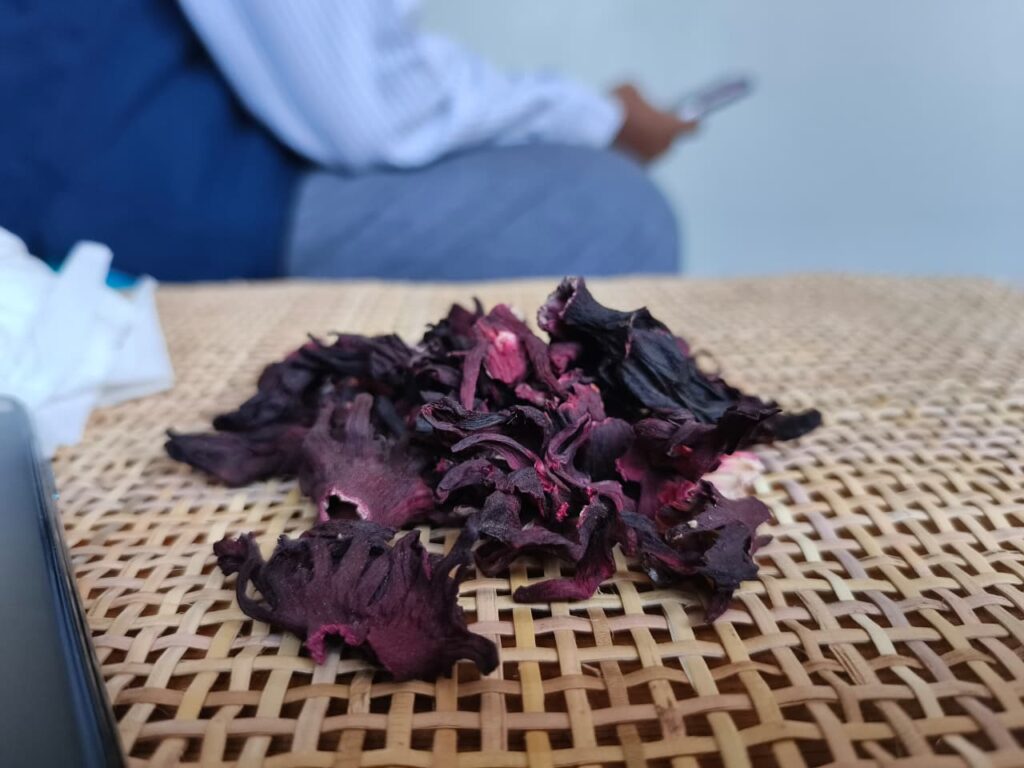
Color is one of the most noticeable characteristics of dried hibiscus and often plays a major role in buyer evaluation. A strong and consistent red appearance is commonly associated with proper handling and suitable processing conditions. Scientifically known as Hibiscus sabdariffa, hibiscus is widely used for its natural pigmentation, especially in beverage applications.
Several factors can influence how the final product looks after drying and storage.
Harvest Timing
The stage at which hibiscus is harvested affects color quality:
- Mature calyces usually develop stronger pigmentation
- Early harvesting may result in lighter coloration
- Delayed harvesting can affect texture and appearance
Correct timing supports better visual consistency.
Drying Conditions
Drying methods have a direct effect on final color:
- Moderate drying temperatures help preserve pigmentation
- Uneven drying may create inconsistent shades
- Excessive heat can darken the product
Controlled drying supports a more uniform appearance.
Exposure to Sunlight
Light exposure during processing and storage can influence color stability:
- Prolonged sunlight may fade natural pigmentation
- Covered or shaded drying methods help reduce discoloration
- Proper storage protects the product after drying
Limiting unnecessary exposure helps maintain appearance.
Moisture Levels
Moisture balance is important for color preservation:
- Excess moisture may lead to dark spots or spoilage
- Over-drying can affect texture and appearance
- Stable moisture levels support product consistency
Balanced drying and storage conditions are essential.
Storage Environment
Storage conditions continue to affect hibiscus after processing:
- Humid environments may reduce product quality
- Poor ventilation can encourage deterioration
- Clean and dry storage helps maintain visual stability
Proper storage extends product usability.
Handling During Transport
Transport conditions also influence appearance:
- Rough handling may break the calyces
- Exposure to moisture during shipping affects color
- Secure packaging helps maintain product condition
Careful logistics support better presentation.
Conclusion
The color of dried hibiscus is influenced by harvesting, drying, storage, and handling practices. Managing these stages correctly helps maintain a stable and visually consistent product.
Ziha Universal Company Nig Limited supplies hibiscus handled with attention to practical processing and storage conditions, supporting consistent appearance and usability in different markets.