
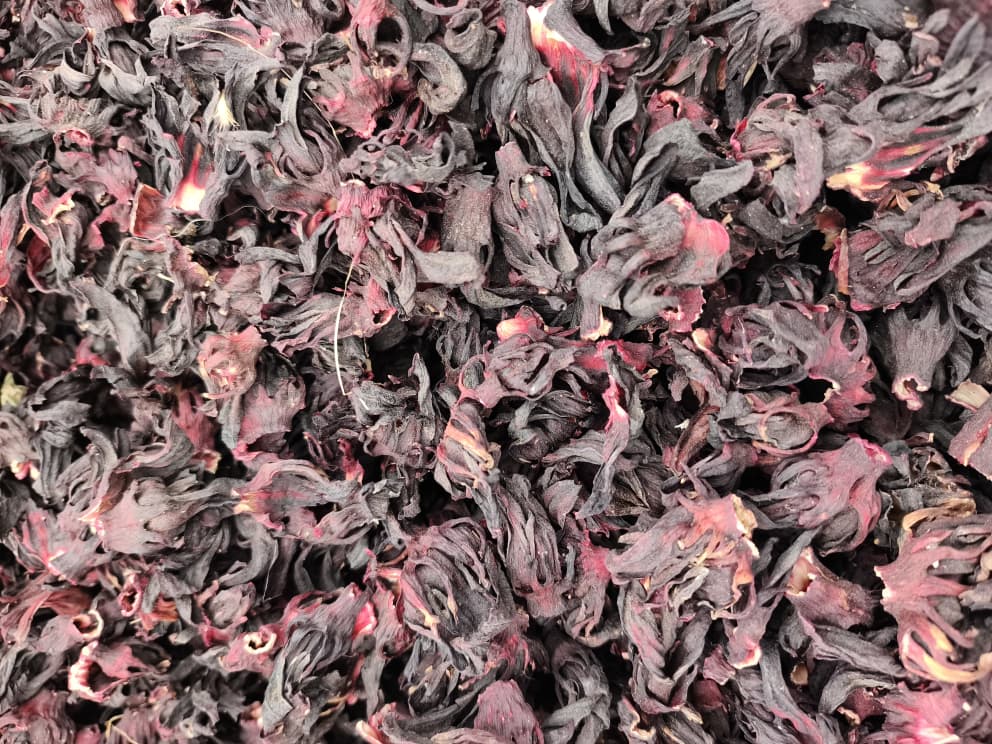
The influence of an agricultural commodity extends well beyond its initial sale. Economists often describe this phenomenon as the multiplier effect, where one commercial activity stimulates additional economic activity across many related industries. The global dried hibiscus flower industry illustrates this principle by creating value that reaches agriculture, manufacturing, transportation, financial services, research, and international commerce. Scientifically recognized as Hibiscus sabdariffa, dried hibiscus flower contributes to a broad economic network in which every stage generates opportunities for the next.
Its commercial importance is measured not only by the product itself but also by the chain of economic activity it supports.
One Commodity, Multiple Economic Contributions
Every business transaction involving dried hibiscus flower influences more than a single organization.
Economic activity expands through:
- Agricultural enterprises
- Processing industries
- Packaging manufacturers
- Financial institutions
- Marketing and distribution services
Each participant contributes to a broader cycle of economic development.
Supporting Business Ecosystems
As commercial demand grows, additional businesses become involved in supporting the industry.
These supporting sectors include:
- Equipment suppliers
- Professional consulting services
- Information technology providers
- Laboratory and research organizations
Together, they strengthen the industry’s long-term capacity.
Creating Employment Beyond Agriculture
The economic influence of dried hibiscus flower reaches many professions outside farming.
Industry growth supports opportunities in:
- Business administration
- Product development
- Engineering
- Commercial analysis
- International trade management
This diversity demonstrates the industry’s broader economic significance.
Encouraging Regional Development
Agricultural industries often stimulate investment beyond production areas.
Commercial expansion may encourage improvements in:
- Local infrastructure
- Business services
- Skills development
- Entrepreneurial activity
These developments contribute to stronger regional economies.
Long-Term Benefits Through Continuous Activity
The multiplier effect continues as businesses reinvest knowledge, experience, and resources into future growth.
This ongoing cycle promotes:
- Commercial innovation
- Organizational learning
- Expanded market participation
- Sustainable economic development
Continuous activity creates lasting economic value.
A Commodity With Broad Economic Influence
The success of the dried hibiscus flower industry cannot be evaluated solely by production or trade statistics. Its wider contribution lies in the opportunities it creates for businesses, professionals, institutions, and communities that participate throughout the commercial ecosystem.
The industry’s influence continues to grow as these connections become stronger.
Conclusion
The global dried hibiscus flower industry demonstrates the power of economic multipliers in modern agricultural commerce. By generating opportunities across numerous sectors, encouraging investment, supporting employment, and strengthening business ecosystems, dried hibiscus flower contributes to economic development that extends far beyond the marketplace itself.