
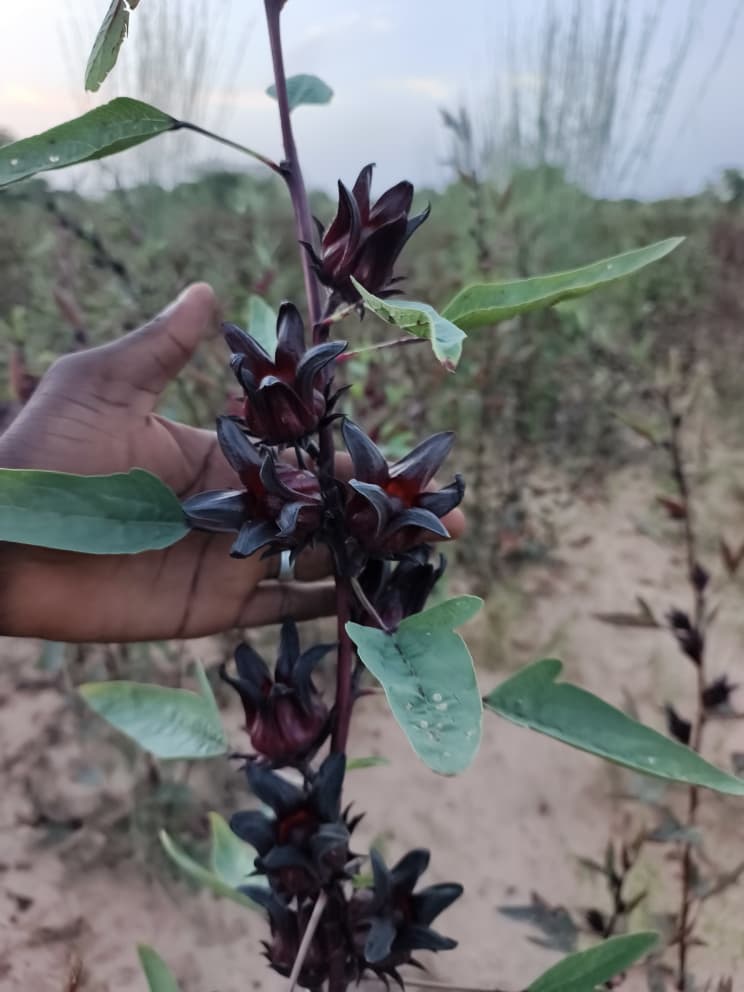
- Introduction
- 1. Examine the Natural Colour
- 2. Check Moisture Content
- 3. Evaluate Cleanliness and Foreign Matter
- 4. Consider the Condition of the Calyces
- 5. Review the Aroma and Storage Conditions
- 6. Confirm Food Safety Requirements
- 7. Request a Representative Sample
- Sourcing Dried Hibiscus Flowers from Nigeria
- Conclusion
Introduction
Choosing dried hibiscus flowers for commercial use requires careful attention to the product’s physical condition, handling, and storage history. Although dried calyces may look similar at first glance, differences in drying methods, cleanliness, moisture content, and packaging can influence their suitability for tea production, beverage manufacturing, and wholesale distribution.
For international importers, evaluating these factors before placing an order helps establish clear purchasing expectations and reduces the risk of receiving material that does not meet the required specifications.
1. Examine the Natural Colour
The colour of dried hibiscus calyces is one of the first characteristics buyers notice. The product commonly displays shades of red, burgundy, or deep crimson, depending on the variety, maturity, drying conditions, and storage history.
A consistent appearance can be useful when assessing a shipment, but colour alone does not establish overall quality. Buyers should also consider the product’s smell, physical condition, cleanliness, and intended application.
When colour is an important purchasing requirement, include a written description in the product specification and compare representative samples before confirming an order.
2. Check Moisture Content
Moisture management is essential when preparing dried hibiscus flowers for storage and transportation. Excessive moisture can encourage mound growth and deterioration under unsuitable conditions.
Commercial buyers should specify an acceptable moisture limit based on the product’s intended use and destination requirements. A laboratory moisture test provides more reliable information than judging dryness by touch alone.
After drying, hibiscus flowers should be protected from rain, humid air, condensation, and other sources of moisture during packaging and storage.
3. Evaluate Cleanliness and Foreign Matter
Dried agricultural products may contain unwanted materials if harvesting, handling, sorting, or storage is not adequately controlled.
When evaluating dried hibiscus flowers, buyers should check for visible dust, stones, excessive stems, other plant materials, and signs of contamination. The acceptable level of foreign matter should be stated clearly in the purchasing agreement.
Where the order requires specific cleanliness standards, buyers can request inspection records or arrange an independent assessment before shipment.
4. Consider the Condition of the Calyces
The physical condition of dried hibiscus flowers matters because different applications require different product forms.
Whole calyces may be preferred for loose herbal infusions or applications where the appearance of the material is important. Cut-and-sifted hibiscus may be more suitable for tea bags and certain manufacturing processes.
Buyers should state whether they require whole, partially broken, or cut material. They should also define acceptable proportions of broken pieces and fine particles when these characteristics affect production.
5. Review the Aroma and Storage Conditions
Dried hibiscus flowers generally have a characteristic plant-like aroma. Unusual musty or moldy smells may indicate a storage or quality problem and should be investigated.
Proper storage involves clean, dry, well-ventilated conditions, suitable packaging, and protection from pests and contamination. Packages should be handled in a way that minimizes exposure to humidity and other environmental factors that can affect the product.
Storage conditions should be suitable for the product and supported by the supplier’s handling procedures.
6. Confirm Food Safety Requirements
Businesses purchasing hibiscus flowers for food and beverage production should establish the applicable safety requirements before shipment.
Depending on the destination market and buyer’s specifications, relevant checks may include:
- Microbiological testing.
- Pesticide residue analysis.
- Heavy metal testing where applicable.
- Moisture and foreign matter assessment.
- Verification of traceability and product identity.
The specific tests required will depend on the intended application, applicable regulations, and the buyer’s quality assurance programmer. Buyers should request relevant reports when necessary and confirm that they relate to the product being purchased.
7. Request a Representative Sample
A product sample allows buyers to evaluate the material before committing to a larger order. The sample should represent the grade and product form being offered for commercial supply.
During evaluation, buyers can examine the colour, physical condition, aroma, cleanliness, and suitability for their intended use. Laboratory testing can provide additional information when visual inspection is insufficient.
For larger purchases, the buyer and supplier should agree on how the approved sample relates to the specifications of the final shipment.
Sourcing Dried Hibiscus Flowers from Nigeria
Nigeria is a source of dried hibiscus flowers for international agricultural trade. Buyers considering Nigerian-origin products should assess suppliers according to their ability to provide clear specifications, suitable packaging, relevant quality information, and agreed export documentation.
Before placing an order, confirm the product grade, quantity, packaging, price, Intercom, payment terms, and shipment schedule in writing. Importers should also check destination-specific food safety and import requirements.
A transparent sourcing process allows both parties to establish clear expectations and evaluate whether the product meets the intended commercial requirements.
Conclusion
Assessing dried hibiscus flower quality involves more than looking at its colour. Moisture content, cleanliness, calyx condition, aroma, storage, and applicable food safety requirements all contribute to a more complete evaluation.
For importers, tea manufacturers, beverage producers, and wholesalers, clear specifications and representative samples provide a practical foundation for purchasing decisions. Careful product assessment helps buyers select dried hibiscus flowers that are appropriate for their intended applications and agreed quality standards.