
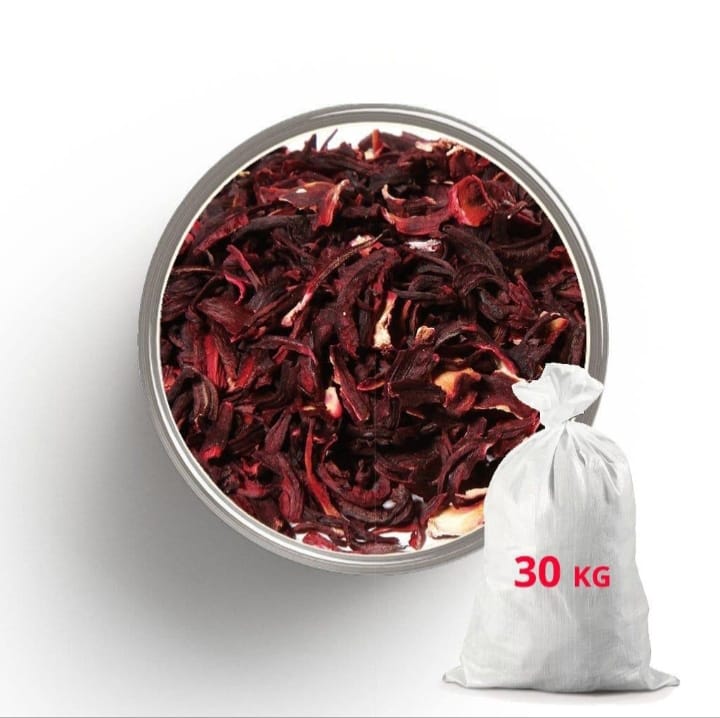
- 1. Confirm That Every Supplier Is Quoting the Same Product
- 2. Examine the Grade and Quality Requirements
- 3. Compare Prices Using the Same Unit
- 4. Understand the Delivery Term
- 5. Calculate the Expected Order Value
- 6. Check the Minimum Order Quantity
- 7. Review Packaging and Net Weight
- 8. Evaluate the Documents Included in the Offer
- 9. Examine Sample and Inspection Arrangements
- 10. Check the Validity Period
- 11. Compare Payment Conditions Carefully
- 12. Consider the Supplier’s Ability to Fulfill the Order
- 13. Build a Simple Quotation Comparison Table
- 14. Make the Decision Based on Comparable Evidence
- Final Thoughts
A low quotation can look attractive until the buyer discovers that the offer covers a different product grade, a smaller quantity, or a different delivery arrangement. In agricultural trade, two prices are only truly comparable when the products and commercial terms behind them are understood.
For importers, wholesalers, tea manufacturers, and food-processing businesses purchasing dried hibiscus flower (Hibiscus sabdariffa), comparing quotations carefully can prevent misunderstandings, improve purchasing decisions, and make budgeting more accurate.
The objective is not simply to find the lowest price. It is to identify the offer that best matches the buyer’s requirements, budget, and commercial expectations.
1. Confirm That Every Supplier Is Quoting the Same Product
Before comparing prices, establish the exact product being offered.
One supplier may quote whole dried hibiscus calyces, while another offers broken material or cut-and-sifted hibiscus. Although both products come from Hibiscus sabdariffa, they may serve different processing requirements and have different commercial values.
A useful comparison begins with the botanical identity, physical form, requested grade, intended application, and any essential quality requirements.
If these details differ, the quotations should not be treated as equivalent.
2. Examine the Grade and Quality Requirements
A grade description alone may not provide enough information to establish whether two offers are comparable.
Buyers should review the actual requirements attached to each quotation, including color expectations, the proportion of intact calyces, foreign-matter limits, moisture limits, and other relevant characteristics.
Where a supplier uses a grade classification, ask how that grade is defined. A clearly documented specification makes it easier to understand what the quoted price includes.
This is particularly important when the product will be used in manufacturing, where differences in physical form or composition may affect processing.
3. Compare Prices Using the Same Unit
A quotation may be expressed per kilogram, metric tonne, bag, or container. Before comparing figures, convert them to a common unit.
For example, suppose one supplier quotes USD 1,800 per metric tonne and another quotes USD 1.95 per kilogram.
The first quotation equals USD 1.80 per kilogram, while the second equals USD 1,950 per metric tonne.
These figures can now be compared on a common unit basis, but the comparison is still incomplete until the product specifications and delivery terms are checked.
Also confirm whether the quoted quantity refers to net product weight or includes packaging.
4. Understand the Delivery Term
The delivery term can significantly affect the final commercial cost.
An FOB quotation generally covers the seller’s obligations under the agreed Free on Board arrangement at the named port of shipment. It should not automatically be compared with a quotation that includes freight and other services to the destination.
Before evaluating offers, identify the named port or place and the applicable Intercoms® version where stated.
For each quotation, clarify which costs are included and which remain the buyer’s responsibility. These may include ocean freight, insurance, destination charges, customs clearance, duties, and inland transport, depending on the agreed arrangement.
A lower price at the shipment port does not necessarily mean a lower total cost at the buyer’s warehouse.
5. Calculate the Expected Order Value
The unit price is only one part of the purchasing decision. Buyers should calculate the value of the intended order before making a commitment.
Consider a hypothetical purchase of 10 metric tonnes at USD 1,800 per metric tonne.
The product value would be:
10 metric tonnes × USD 1,800 = USD 18,000
This calculation excludes any additional costs not included in the quoted price. Those costs should be identified separately so the buyer can estimate the full financial commitment.
The calculation should also account for the actual quantity the supplier is willing and able to provide.
6. Check the Minimum Order Quantity
Some suppliers may accept small trial orders, while others concentrate on container-scale shipments. This difference can make quotations difficult to compare.
A buyer seeking 500 kilograms may receive a different price from a buyer ordering a full container. Smaller quantities may also involve different packaging, handling, and transportation costs.
Ask each supplier to confirm the minimum order quantity and whether a smaller trial shipment is possible.
If one supplier quotes a full-container order and another quotes a smaller quantity, compare the offers only after understanding the quantity and service differences.
7. Review Packaging and Net Weight
Packaging affects product protection, handling, warehouse operations, and sometimes total shipment costs.
A quotation should identify the proposed packaging format, the net weight per package, and any special requirements agreed between the parties.
For example, two offers may both specify 25 kg sacks, but buyers should still confirm whether the packaging construction, inner lining, labeling, and packing arrangements meet their needs.
Also verify the total number of packages and the net product quantity. This helps prevent confusion between the price per bag and the price per kilogram or tonne.
8. Evaluate the Documents Included in the Offer
Documentation requirements can vary by product application, buyer policy, and destination country.
Depending on the transaction, buyers may need a commercial invoice, packing list, certificate of origin, phytosanitary certificate, certificate of analysis, or other documents.
Do not assume that every document is automatically included in the quoted price or available for every shipment. Ask the supplier to identify which documents can be provided, whether additional fees apply, and whether the documents meet the buyer’s stated requirements.
The goal is to compare offers based on the documentation actually required for the transaction.
9. Examine Sample and Inspection Arrangements
A quotation may include a sample, offer one at an additional cost, or require the buyer to arrange transportation.
These differences should be clarified before evaluating the overall offer.
Ask whether the sample represents the proposed commercial product, how the sample will be identified, and whether per-shipment inspection is available if required.
For substantial orders, buyers may also wish to agree on an inspection procedure before the contract is finalized.
A clear process helps both parties understand how conformity will be assessed.
10. Check the Validity Period
Agricultural product quotations may be valid for a limited period. A price received several weeks earlier may no longer be available.
Record the quotation date, validity deadline, currency, quantity, and applicable delivery term. If the validity period has expired, request written confirmation before relying on the original price.
Buyers should also distinguish between a provisional indication and a firm commercial offer.
This prevents budgeting or purchase decisions from being based on a price the supplier has not reconfirmed.
11. Compare Payment Conditions Carefully
Payment terms influence cash flow and the financial exposure of both parties.
One offer may require an advance payment, while another may propose a different payment schedule. The buyer should understand when each payment becomes due and which documents or milestones are relevant.
For example, a transaction might specify a 30% advance payment and a 70% balance upon receipt of scanned shipping documents by email. The precise wording, document requirements, and payment timing should be confirmed in the contract.
Buyers should independently verify the supplier’s business details and banking instructions before transferring funds. Any unexpected change in bank account information should be checked through a trusted, previously established communication channel.
12. Consider the Supplier’s Ability to Fulfill the Order
A competitive quotation is useful only if the supplier can meet the agreed requirements.
Buyers should clarify the available quantity, expected preparation time, packaging capacity, and proposed shipment schedule. Where relevant, they can request supporting business documentation and evidence of the product’s availability.
The objective is to establish whether the supplier’s offer is commercially realistic and whether the stated commitments can be met.
Avoid making assumptions about a supplier’s capacity solely from an attractive price or a polished product presentation.
13. Build a Simple Quotation Comparison Table
A consistent comparison sheet can make the decision much easier.
| Comparison item | Supplier A | Supplier B |
|---|---|---|
| Product form | Whole calyces | Confirm |
| Grade and specification | Confirmed details | Confirmed details |
| Price per metric tonne | USD 1,800 | Enter quotation |
| Quantity offered | Enter quantity | Enter quantity |
| Delivery term and named place | Enter terms | Enter terms |
| Packaging | Enter details | Enter details |
| Documents included | List documents | List documents |
| Payment terms | Enter terms | Enter terms |
| Price validity | Enter date | Enter date |
| Estimated total cost | Calculate | Calculate |
The figures above are illustrative, not current market quotations. The table should be completed using actual written offers.
14. Make the Decision Based on Comparable Evidence
Once the information is collected, eliminate offers that do not meet essential requirements. Then compare the remaining quotations according to the factors that matter most to the business.
For one buyer, product form and documented quality limits may be decisive. Another may prioritize shipment timing, packaging compatibility, or the overall delivered cost.
The best offer is the one that meets the required conditions at an acceptable total cost not necessarily the one with the lowest headline price.
Final Thoughts
Comparing dried hibiscus quotations requires more than placing two prices side by side. Buyers need to understand the product, grade, quantity, packaging, documentation, delivery terms, and payment conditions behind each figure.
A structured comparison turns a confusing set of offers into a clearer purchasing decision. By requesting consistent information from every supplier and calculating costs on the same basis, businesses can negotiate more effectively and reduce the risk of unexpected expenses.
For anyone sourcing Hibiscus sabdariffa commercially, a well-prepared quotation comparison is a practical step toward better procurement and more predictable international trade.