
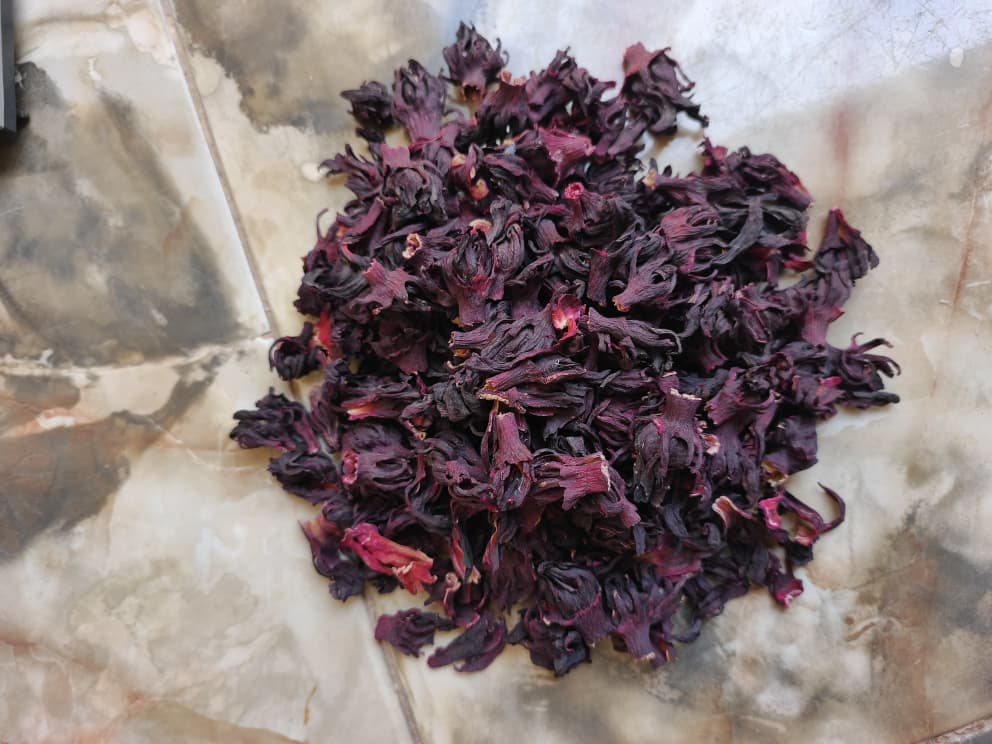
No industry remains competitive by relying on a single market or a single type of customer. As international commerce becomes more interconnected, businesses increasingly recognize the importance of diversification as a strategy for sustainable growth. The dried hibiscus flower sector illustrates how expanding into multiple industries and geographic regions can strengthen long-term commercial performance. Scientifically identified as Hibiscus sabdariffa, dried hibiscus flower has established a presence in global trade because it serves a wide variety of commercial applications and market segments.
Diversification transforms opportunity into resilience.
One Product, Many Commercial Pathways
Unlike commodities that serve only one industry, dried hibiscus flower reaches a broad commercial audience.
Its market includes businesses involved in:
- Beverage production
- Food manufacturing
- Herbal product development
- Ingredient distribution
- International wholesale trade
A broad customer base reduces dependence on a single sector.
Geographic Expansion Creates Stability
Serving buyers in multiple regions helps businesses reduce exposure to localized market changes.
International diversification allows companies to:
- Reach emerging economies
- Access established markets
- Balance regional demand
- Explore new trade opportunities
A wider market footprint supports business continuity.
Adapting to Changing Consumer Trends
Consumer preferences continue to evolve across the world.
Businesses that monitor these developments can identify opportunities created by:
- New product categories
- Changing purchasing habits
- Expanding retail channels
- Evolving industrial requirements
Adaptability strengthens long-term competitiveness.
Encouraging Continuous Learning
Diversified markets expose businesses to different commercial environments.
This experience helps organizations develop:
- Better market awareness
- Stronger strategic planning
- Improved customer understanding
- Greater operational flexibility
Knowledge gained from multiple markets becomes a valuable competitive asset.
Supporting Sustainable Commercial Growth
Growth achieved through diversification is often more balanced than growth based on a single market.
A diversified strategy can encourage:
- More stable business performance
- Expanded commercial relationships
- Greater resilience during market fluctuations
- Increased long-term opportunities
Balanced growth contributes to lasting success.
Looking Beyond Today’s Market
The future of agricultural trade will belong to businesses that remain open to new possibilities. Companies that diversify their markets, customers, and commercial strategies are often better prepared to respond to global economic changes while continuing to build meaningful business relationships.
Conclusion
Market diversification is more than a growth strategy it is a foundation for long-term resilience in the dried hibiscus flower industry. By expanding across industries, regions, and customer segments, businesses can strengthen their competitive position, reduce commercial uncertainty, and create new opportunities in an increasingly connected global marketplace.