
- Agricultural Production Creates the First Layer of Value
- Post-Harvest Activities Expand Commercial Value
- Commercial Distribution Connects Markets
- International Trade Generates Broader Economic Activity
- Buyers Add New Levels of Value
- Continuous Investment Strengthens the Industry
- A Connected Business Ecosystem
- Conclusion
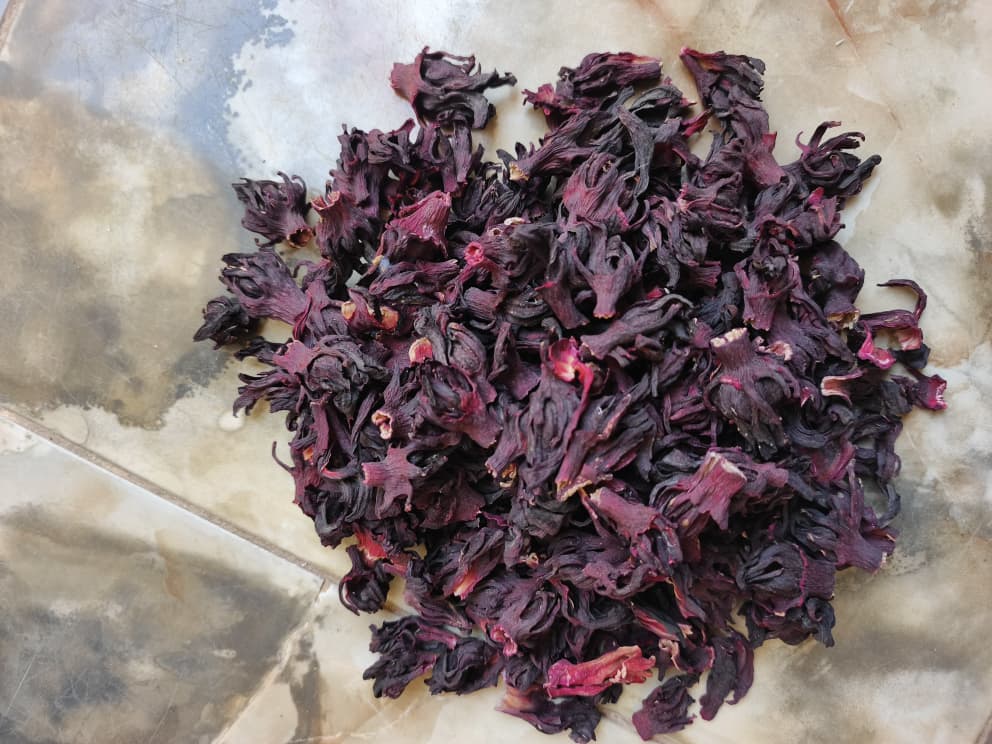
Every agricultural commodity follows a journey before it reaches an international buyer. That journey is known as the value chain a sequence of interconnected activities that transform a harvested crop into a product ready for global commerce. Dried hibiscus flower, scientifically identified as Hibiscus sabdariffa, represents an excellent example of how agricultural production creates economic value through multiple stages of business activity.
Rather than being defined by a single transaction, the commercial success of hibiscus is the result of an integrated value chain where each participant contributes to the product’s movement and market readiness.
Agricultural Production Creates the First Layer of Value
The value chain begins with cultivation.
Agricultural producers contribute by:
- Establishing productive cultivation systems
- Managing crop development
- Harvesting at the appropriate stage
- Preparing raw materials for further handling
This stage forms the economic foundation of the industry.
Post-Harvest Activities Expand Commercial Value
After harvesting, additional processes increase the product’s commercial readiness.
These activities may include:
- Drying harvested calyces
- Removing unwanted materials
- Product grading
- Batch organization
Each activity enhances the product’s suitability for international trade.
Commercial Distribution Connects Markets
The next stage focuses on moving products into domestic and international distribution channels.
Distribution activities involve:
- Warehouse coordination
- Inventory allocation
- Shipment preparation
- Commercial scheduling
Efficient distribution ensures products remain accessible to global buyers.
International Trade Generates Broader Economic Activity
Export operations create value beyond the agricultural sector.
International trade supports:
- Freight and transportation services
- Port operations
- Commercial documentation
- Cross-border business transactions
These activities contribute to broader economic development.
Buyers Add New Levels of Value
Once hibiscus reaches its destination, additional businesses continue the value chain.
These organizations may:
- Process raw materials
- Develop finished products
- Supply wholesale markets
- Serve industrial customers
The value chain continues long after export is completed.
Continuous Investment Strengthens the Industry
Long-term industry development depends on improving every stage of the value chain.
Businesses often invest in:
- Operational efficiency
- Modern processing methods
- Workforce development
- Better commercial coordination
These improvements strengthen overall market competitiveness.
A Connected Business Ecosystem
The dried hibiscus flower industry is not built around a single business activity. Instead, it operates as an interconnected ecosystem where agriculture, processing, logistics, commerce, and manufacturing each contribute to creating economic value.
Understanding this broader perspective highlights why collaboration across the entire value chain is essential for sustainable growth.
Conclusion
The global dried hibiscus flower industry demonstrates how agricultural production can generate value far beyond the farm. Through cultivation, processing, distribution, international trade, and industrial utilization, each stage contributes to a dynamic commercial ecosystem that supports businesses across multiple sectors and international markets.