
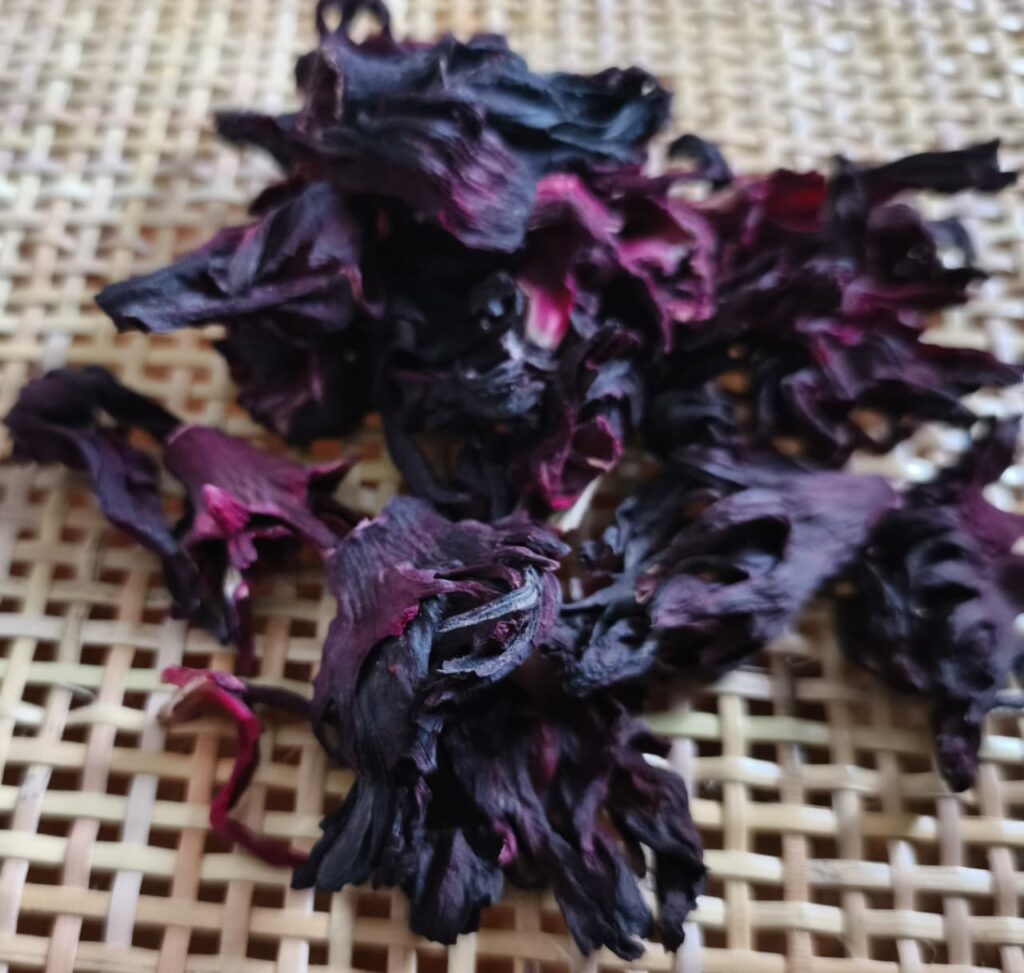
For many people, hibiscus flower begins as an agricultural crop. However, in international commerce, its journey extends far beyond the harvest season. From processing facilities and warehouses to export terminals and manufacturing operations, dried hibiscus flower passes through a series of business stages that add value before reaching the final buyer. Scientifically known as Hibiscus sabdariffa, hibiscus has evolved into a globally traded commodity supported by professional supply networks.
Its commercial success depends on much more than cultivation alone.
Transforming Agriculture into Commerce
After harvesting, hibiscus enters a business-oriented process that includes:
- Product preparation and organization
- Quality assessment procedures
- Packaging and inventory management
These activities prepare the crop for commercial distribution.
The Importance of Market Readiness
A harvested product is not automatically ready for trade.
Market readiness often requires:
- Consistent product presentation
- Organized storage systems
- Clearly defined specifications
Preparation helps align the product with buyer expectations.
Warehousing as a Value Stage
Warehouses do more than store products.
They help support:
- Inventory control
- Shipment planning
- Batch organization
Effective warehousing contributes to smoother operations.
Export Networks and Global Reach
Modern trade systems allow hibiscus to move across continents through:
- Freight coordination
- Documentation management
- International logistics planning
These systems connect suppliers with buyers worldwide.
Building Commercial Relationships
Trade success is often driven by relationships as much as products.
Long-term cooperation may depend on:
- Reliable communication
- Consistent fulfillment practices
- Professional transaction management
Strong partnerships support sustainable business growth.
Creating Value Through Organization
Every stage of the supply chain can contribute value:
- Proper handling preserves product condition
- Organized logistics improve efficiency
- Consistent standards strengthen buyer confidence
Organization transforms a simple crop into a professional trade product.
Looking Toward Future Markets
As global demand for plant-based ingredients continues to evolve, hibiscus remains positioned to support:
- Expanding international trade opportunities
- Diverse industrial applications
- Long-term agricultural business development
Its versatility continues to support commercial relevance.
Conclusion
The journey of dried hibiscus flower extends far beyond cultivation. Through processing, warehousing, logistics, and commercial partnerships, it becomes part of a sophisticated business ecosystem that supports international trade and industrial demand.
Ziha Universal Company Nig Limited supplies dried hibiscus flower through organized sourcing, handling, and export coordination, helping connect agricultural production with global market opportunities.