
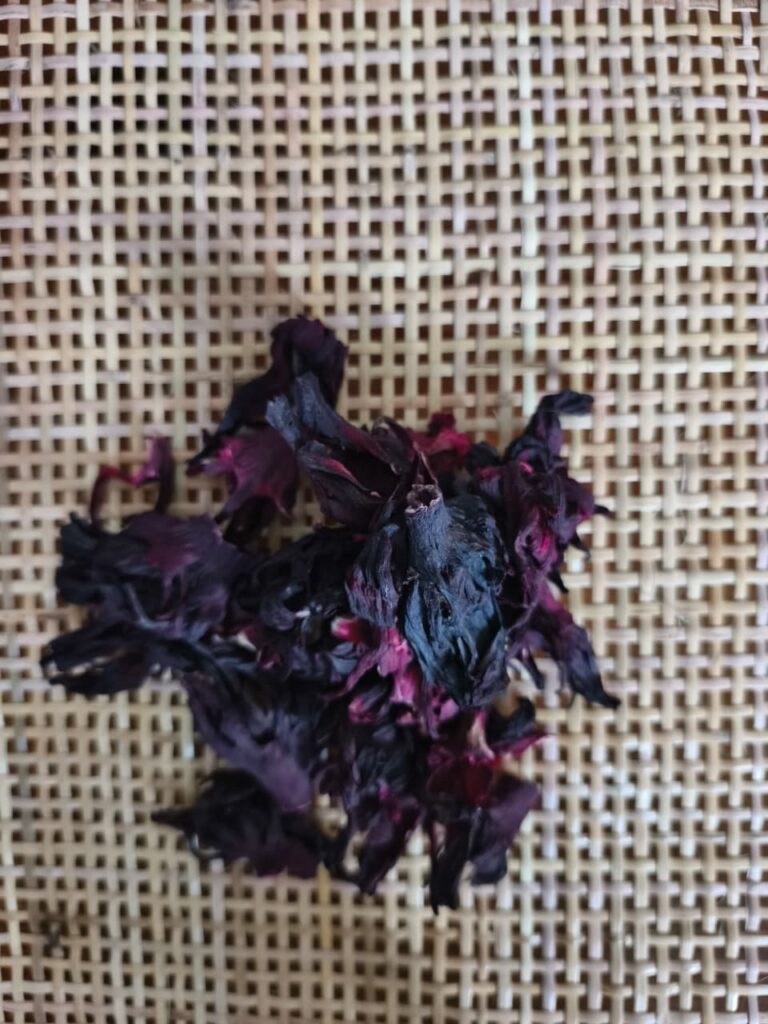
Hibiscus flower is widely recognized as a structured export crop within international agricultural systems. Its dried form allows efficient handling, long-distance transportation, and organized trade classification. Scientifically known as Hibiscus sabdariffa, it is cultivated primarily for its calyces, which are processed and prepared for commercial distribution.
Its role in export systems depends on consistency, documentation, and standardized handling.
Structured Agricultural Production
Export-oriented hibiscus production typically involves:
- Cultivation in suitable climate regions
- Managed harvesting schedules
- Basic field-level quality awareness
These practices help maintain predictable output.
Processing for Export Readiness
After harvest, the product is prepared to meet trade expectations:
- Cleaning to reduce impurities
- Controlled drying to stabilize moisture
- Sorting for uniform presentation
This preparation transforms raw crops into export-grade material.
Quality Verification Practices
Before shipment, quality checks may include:
- Visual inspection for color consistency
- Moisture level assessment
- Evaluation of cleanliness
Verification supports alignment with buyer requirements.
Packaging for International Transport
Packaging plays a protective role in export systems:
- Durable materials to prevent damage
- Moisture-resistant protection
- Clear labeling for identification and tracking
Proper packaging preserves condition during transit.
Documentation and Trade Coordination
Export systems often require structured documentation:
- Commercial invoices
- Packing lists
- Shipment records
Accurate documentation supports smooth international transactions.
Storage Stability Before Shipment
Before departure, hibiscus may be stored under controlled conditions:
- Dry environments
- Ventilated warehouses
- Organized batch management
Stable storage reduces quality variation.
Global Commercial Use
Dried hibiscus is utilized in various industries, including:
- Beverage manufacturing
- Herbal infusion preparation
- Ingredient blending applications
Its adaptability supports international demand.
Conclusion
Hibiscus flower functions effectively within quality-based agricultural export systems due to its stability, processing flexibility, and structured handling requirements. When managed properly, it maintains usability across different global markets.
Ziha Universal Company Nig Limited supplies dried hibiscus flower processed under organized handling and export practices, supporting dependable distribution to international buyers.