
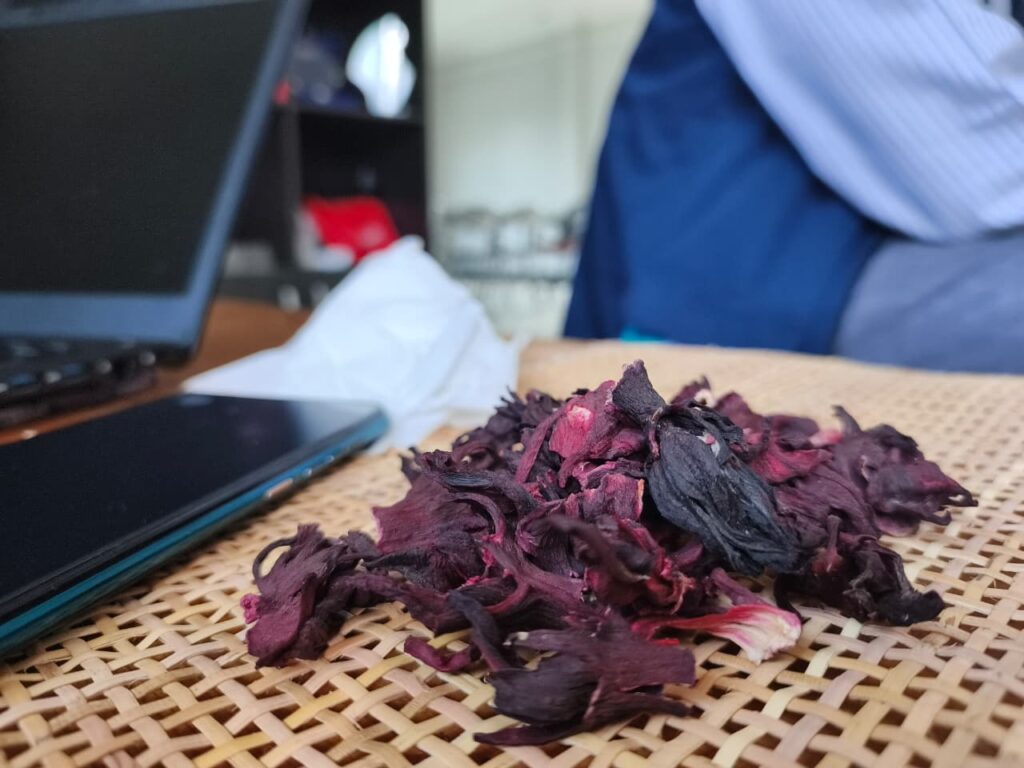
Climate plays a major role in the cultivation and overall quality of hibiscus. Temperature, rainfall, sunlight, and humidity all influence how the crop develops from planting to harvest. Scientifically known as Hibiscus sabdariffa, hibiscus is cultivated in regions where environmental conditions support healthy growth and stable production.
Understanding the relationship between climate and cultivation helps explain differences in yield, appearance, and product consistency.
Temperature and Growth
Temperature affects the growth cycle of hibiscus plants:
- Warm conditions generally support plant development
- Extreme temperatures may slow growth or affect yield
- Stable climate conditions help improve crop uniformity
Balanced temperatures contribute to more predictable production.
Rainfall and Water Availability
Water availability influences plant health and harvest quality:
- Adequate rainfall supports healthy calyx formation
- Excessive moisture may increase the risk of crop damage
- Limited rainfall can reduce productivity if unmanaged
Controlled water conditions help maintain stable output.
Sunlight Exposure
Sunlight is important during cultivation and maturation:
- Sufficient sunlight supports natural pigmentation
- Proper exposure contributes to plant development
- Inconsistent light conditions may affect crop appearance
Sunlight helps influence the final visual quality of the product.
Humidity and Harvest Conditions
Humidity levels can affect both cultivation and post-harvest handling:
- High humidity may increase drying challenges
- Lower humidity often supports more stable post-harvest processing
- Moist conditions require careful handling to prevent spoilage
Environmental control becomes especially important after harvest.
Seasonal Influence
Different growing seasons can impact production patterns:
- Harvest timing may vary depending on regional climate cycles
- Seasonal conditions affect drying and storage requirements
- Production planning often follows climate patterns
Seasonal awareness supports better supply coordination.
Impact on Product Consistency
Climate conditions ultimately affect market quality:
- Color intensity may vary between harvests
- Moisture levels can change depending on weather conditions
- Yield and appearance are influenced by environmental stability
Consistent cultivation practices help reduce variation.
Conclusion
Climate conditions influence every stage of hibiscus production, from plant growth to final processing. Temperature, rainfall, sunlight, and humidity all contribute to crop quality and overall supply consistency.
Ziha Universal Company Nig Limited supplies hibiscus sourced from cultivation environments managed with attention to stable agricultural and post-harvest practices.