
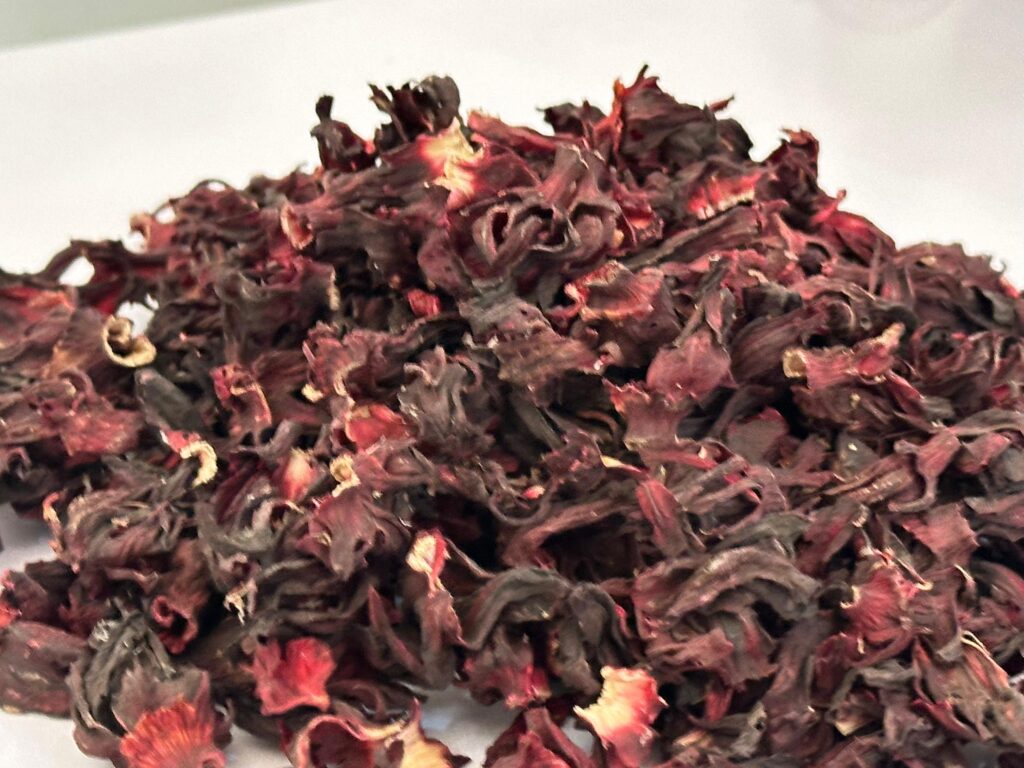
Nigeria has become a strategic sourcing destination for high-quality dried hibiscus, supplying global markets with reliability, traceability, and confidence. International buyers increasingly choose Nigerian hibiscus for its natural quality attributes and the growing professionalism of the country’s export supply chain.
Derived from Hibiscus sabdariffa, this vibrant flower is widely used in beverages, herbal teas, food coloring, nutraceuticals, and traditional medicine. Nigeria’s ability to deliver this product consistently at scale makes it a preferred origin for long-term sourcing partnerships.
Strong Agricultural Foundations
Hibiscus cultivation in Nigeria is deeply rooted in agricultural communities, particularly in the northern regions where climate and soil conditions are ideal. Farmers follow seasonal cycles that allow the flower to develop rich pigmentation and strong flavor profiles. The result is a naturally potent product that meets both industrial and consumer-grade expectations.
Harvesting is timed carefully to ensure peak quality. Flowers are collected, separated, and prepared for drying with minimal delay, reducing post-harvest losses and preserving natural properties.
Processing Built on Precision and Care
Once harvested, hibiscus flowers undergo drying processes designed to achieve optimal moisture levels. This step is critical to preventing spoilage and maintaining long shelf life during international transportation. Improved drying practices and handling standards have significantly enhanced Nigeria’s export reputation.
Sorting follows drying, where petals are graded by color, size, and cleanliness. Only well-dried, deep-red calyces are selected for export, ensuring uniformity across shipments and reducing buyer-side rejections.
Export-Ready Quality Standards
Before shipment, quality assurance checks are conducted to align with international requirements. These include inspections for foreign matter, moisture consistency, and overall presentation. Exporters prioritize transparency, allowing buyers to source with confidence and predictability.
Packaging solutions are chosen based on destination needs. Food-grade bags protect the hibiscus from contamination, compression, and moisture ingress, ensuring it arrives in excellent condition regardless of distance.
Efficient Trade and Logistics Execution
Nigeria’s hibiscus exports benefit from established logistics routes linking production hubs to major seaports. Container loading is optimized to balance volume and product safety. Export documentation is prepared accurately to ensure smooth customs clearance in destination countries.
This organized approach minimizes delays, reduces risk, and strengthens trust between Nigerian exporters and international buyers.
A Competitive Edge in Global Supply
What truly defines Nigeria’s hibiscus advantage is consistency consistent quality, consistent volume, and consistent delivery. Buyers seeking dependable suppliers recognize Nigeria as more than a source; it is a partner capable of supporting growing demand and long-term contracts.
As global interest in natural and plant-based products continues to rise, Nigerian hibiscus stands out as a reliable, scalable, and competitive commodity connecting farms to global markets with confidence.