
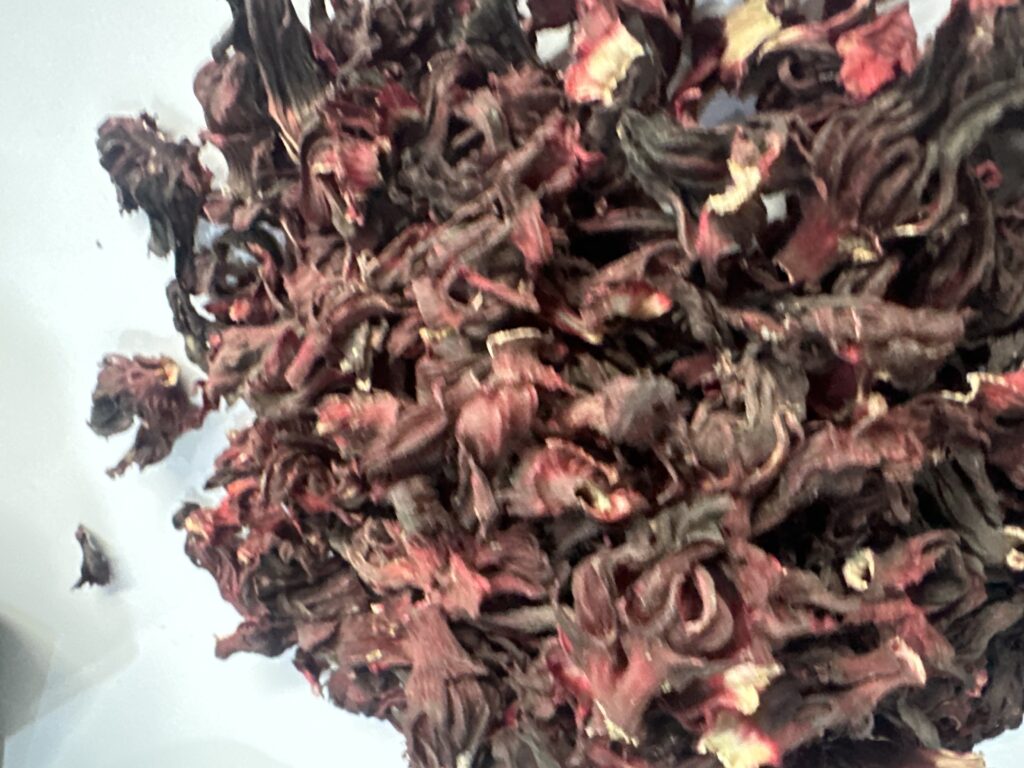
As global markets place higher value on dependable natural ingredients, sourcing decisions increasingly favor origins with clear systems and long-term capacity. Nigeria has developed a hibiscus network that connects cultivation, processing, and export into a coordinated supply designed to meet international trade expectations.
Hibiscus grown in Nigeria is distinguished by its rich red hue, balanced tartness, and versatility across food, beverage, and wellness sectors. These qualities are reinforced by an export framework focused on uniformity, accountability, and scale.
Farming Built on Predictability
Nigeria’s hibiscus production follows established agricultural cycles that support consistent output year after year. Farmers plant and harvest within defined timeframes, allowing the flower to reach full maturity. This predictability helps exporters secure volumes and gives buyers confidence in long-term supply planning.
Field-level handling emphasizes cleanliness and careful harvesting, reducing early-stage quality losses.
Processing That Preserves Market Value
After harvest, hibiscus calyces are dried under controlled conditions to achieve optimal moisture content. Proper drying preserves color strength and shelf life while reducing microbial risk. Increasing standardization at this stage has elevated Nigeria’s acceptance in premium markets.
Cleaning and grading further refine the product, ensuring visual consistency and minimal foreign matter. These steps are essential for meeting buyer specifications and regulatory requirements.
Coordinated Export Operations
Nigeria’s hibiscus exports benefit from centralized operational control. By aligning sourcing, quality checks, packaging, and logistics, exporters reduce fragmentation and improve efficiency. Buyers interact through clear channels, simplifying communication and documentation.
Packaging solutions are selected to protect the product throughout storage and ocean transit, safeguarding quality until final delivery.
Supporting Global Manufacturing
Nigerian hibiscus is widely used in:
- Herbal teas and functional beverages
- Juice blends and concentrates
- Natural food and beverage coloring
- Nutritional and wellness products
Its consistency allows manufacturers to maintain stable formulations and reduce production risk.
Confidence Through Structure
What defines Nigeria’s hibiscus network is its emphasis on reliability. Structured farming practices, disciplined processing, and coordinated export management create a supply origin capable of supporting repeat orders and long-term contracts.
For global buyers seeking a trustworthy hibiscus source with room to grow, Nigeria offers a balanced solution, natural strength supported by organized trade systems and a clear commitment to quality.