
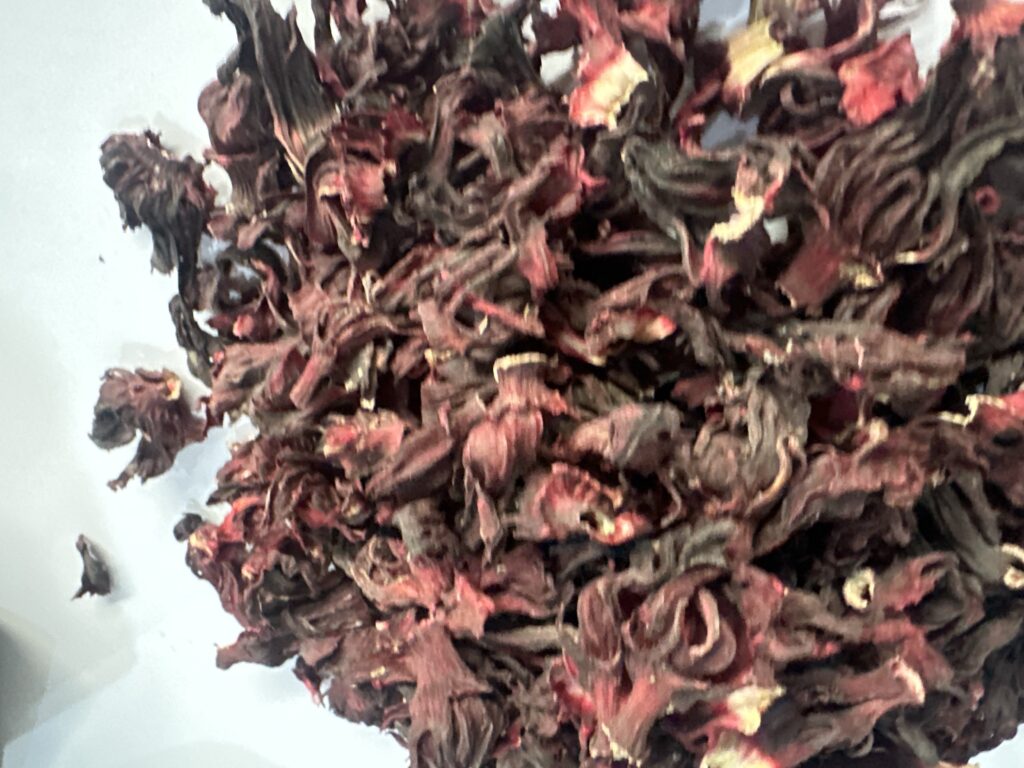
In an era where buyers demand consistency, transparency, and long-term security, Nigeria has positioned its hibiscus sector to meet global expectations. The country’s hibiscus supply is no longer defined only by volume, but by a structured approach that supports dependable international trade.
Hibiscus produced in Nigeria benefits from favorable climatic conditions that encourage strong calyx development and rich natural coloration. These inherent qualities, combined with improved handling and export coordination, make Nigerian hibiscus a trusted ingredient across multiple industries.
Cultivation Aligned with Market Needs
Nigeria’s hibiscus farmers operate within defined seasonal cycles that support uniform maturity and predictable harvest periods. This alignment reduces variability and allows exporters to plan volumes with confidence. Field practices focus on preserving the physical integrity of the flower, minimizing damage before processing begins.
By maintaining consistency at the farm level, Nigeria strengthens the foundation of its export supply chain.
Post-Harvest Systems That Protect Quality
Once harvested, hibiscus calyces are promptly dried to controlled moisture levels. This process safeguards color intensity, aroma, and shelf life key attributes for buyers serving distant markets. Standardized drying practices have significantly reduced quality fluctuations and post-shipment claims.
Following drying, cleaning and grading processes ensure that only export-ready hibiscus enters the supply stream. Uniformity at this stage translates into smoother downstream processing for buyers.
Export Execution with Clarity and Control
Nigeria’s hibiscus exports increasingly operate under centralized coordination models. Procurement, quality checks, packaging, and logistics are aligned to reduce fragmentation and improve accountability. Buyers benefit from clearer documentation, consistent specifications, and reliable shipment schedules.
Packaging solutions are selected to protect the product from moisture and compression, ensuring the hibiscus arrives in optimal condition.
Serving Diverse Global Applications
Nigerian hibiscus supports a wide range of uses, including:
- Herbal and functional teas
- Beverage concentrates and syrups
- Natural food colorants
- Nutraceutical and wellness products
Its adaptability and consistency make it suitable for both large-scale manufacturing and specialty markets.
A Trade Origin Built for the Future
Nigeria’s hibiscus supply reflects a shift toward long-term thinking. Investments in farming discipline, processing standards, and export management are shaping an origin capable of supporting sustained global demand.
For buyers seeking a reliable, scalable, and professionally managed hibiscus source, Nigeria offers a solution built on structure, quality, and confidence ready for the world market.