
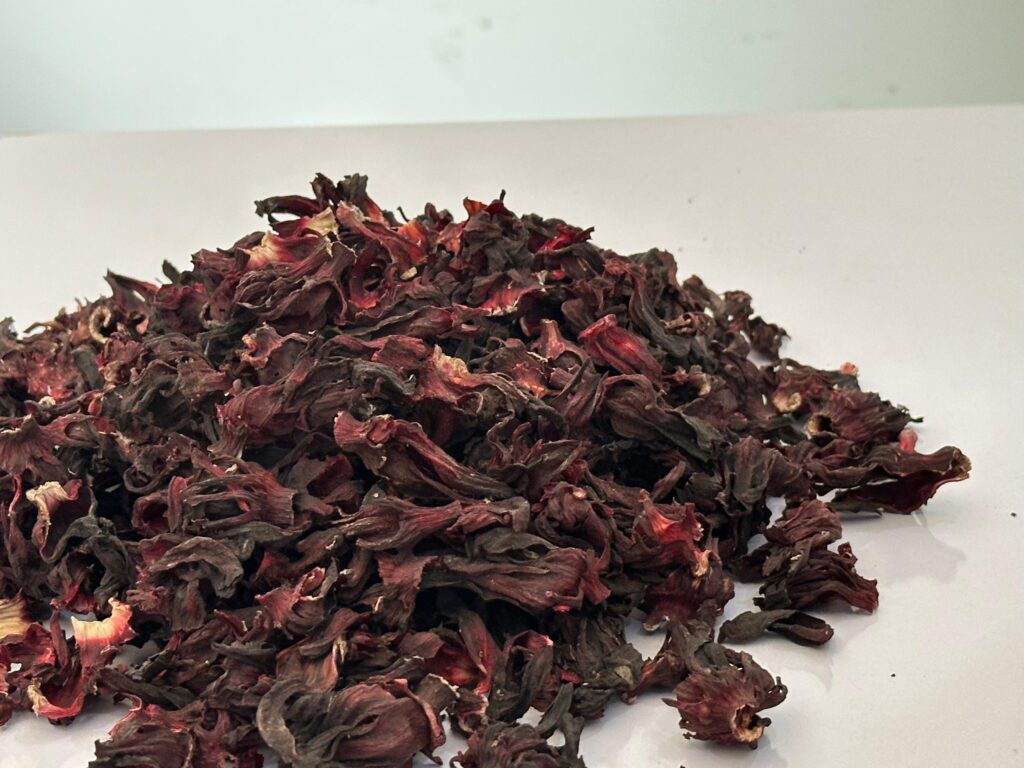
As global industries place greater emphasis on transparency and consistency, hibiscus flower has become a closely evaluated agricultural ingredient. Within this context, Nigeria has emerged as a reliable origin for hibiscus flower that meets modern sourcing expectations. Nigerian hibiscus combines natural quality formation with a supply structure that supports traceability and long-term trade relationships.
Transparent Production Framework
Hibiscus cultivation in Nigeria is carried out across established farming communities where seasonal planning and traditional knowledge guide crop cycles. This structured approach allows buyers to understand production timelines and forecast availability. The ability to trace product back to defined growing regions increases sourcing confidence and supports quality assurance requirements.
Naturally Developed Quality Attributes
The defining characteristics of hibiscus color intensity, firmness, and acidity are formed during cultivation. Nigerian hibiscus develops these attributes naturally due to suitable environmental conditions and harvesting at optimal maturity. This natural development reduces the need for post-harvest enhancement and ensures authenticity for buyers.
Processing Designed for Export Integrity
After harvest, hibiscus flowers are dried to stabilize moisture levels and preserve natural properties. Cleaning and grading processes focus on consistency and presentation, ensuring that export shipments meet buyer specifications. These steps protect product integrity throughout storage and international transportation.
Alignment with International Buyer Needs
Nigerian hibiscus is prepared with global market requirements in mind. Packaging, grading, and shipment preparation support smooth integration into international supply chains. This alignment allows buyers to incorporate Nigerian hibiscus into their production systems with minimal adjustment.
Cross-Industry Market Applications
Hibiscus flower from Nigeria is widely used in:
- Herbal and functional teas
- Beverage blends and natural concentrates
- Food manufacturing and natural additives
- Nutritional and wellness products
Its compatibility with multiple industries increases its value as a versatile sourcing option.
Stability, Scale, and Trade Reliability
Nigeria’s broad production base supports reliable annual volumes and reduces supply risk. Competitive pricing and growing export experience further strengthen Nigeria’s role in global hibiscus trade, making it suitable for both spot purchases and long-term contracts.
A Future-Oriented Sourcing Origin
As buyers increasingly prioritize traceability, responsible sourcing, and consistent quality, Nigerian hibiscus flower remains well-positioned to meet evolving market demands. Its combination of natural quality, transparent supply, and trade readiness makes it a forward-looking choice for global markets.