
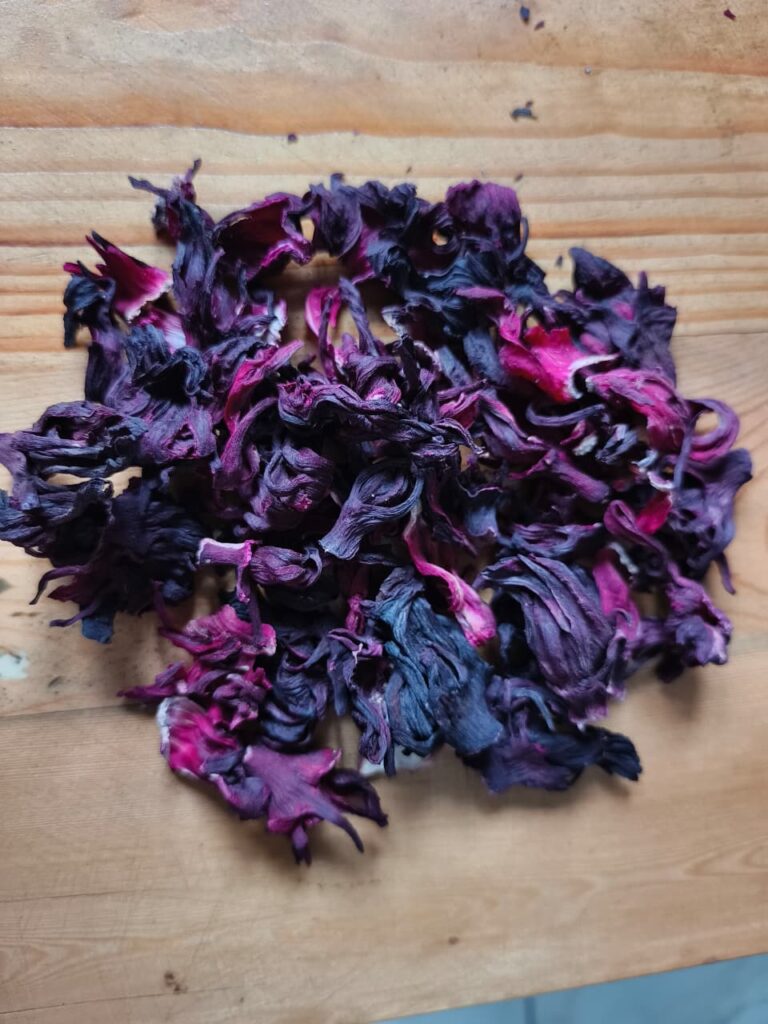
In the evolving world of natural health and sustainable agriculture, hibiscus has emerged as one of the most valuable botanical commodities. Often recognized for its vibrant crimson color and refreshing tart flavor, hibiscus is more than a beautiful flower it is a powerful agricultural product with rising global demand.
From traditional herbal infusions to premium export markets, hibiscus continues to prove its relevance in both wellness and international trade.
The Plant Behind the Popularity
Hibiscus belongs to the genus Hibiscus, a diverse group of flowering plants cultivated in tropical and subtropical climates. The most commercially significant variety is Hibiscus sabdariffa, commonly known as Roselle.
Unlike ornamental hibiscus grown for decoration, Roselle is cultivated primarily for its fleshy red calyces. Once harvested and dried, these calyces become the foundation for teas, extracts, powders, and natural food ingredients that are traded across global markets.
Why the World Is Turning to Hibiscus
1. A Natural Source of Antioxidants
Hibiscus contains high levels of anthocyanins and polyphenols plant compounds known for supporting cellular protection and overall wellness.
2. A Trusted Herbal Beverage
Hibiscus tea is widely appreciated for its refreshing taste and potential cardiovascular benefits. As consumers reduce artificial beverages, hibiscus offers a natural alternative.
3. Functional and Versatile
Beyond tea, hibiscus is used in syrups, concentrates, confectionery products, and even as a natural coloring agent. Its versatility makes it attractive to food manufacturers and health brands alike.
4. Rising Demand in Wellness Markets
With the global shift toward plant-based lifestyles, hibiscus fits perfectly into clean-label, organic, and functional food categories.
From Farm to Export
The value of hibiscus depends heavily on post-harvest handling and quality control. Premium export-grade hibiscus typically features:
- Deep, uniform red color
- Low moisture content
- Minimal foreign matter
- Proper drying and hygienic packaging
Countries that invest in improved processing standards are gaining stronger positions in international markets, especially in Europe, North America, and parts of Asia.
Economic Importance for Producers
Hibiscus cultivation offers meaningful opportunities for farmers and agribusiness investors. The crop adapts well to warm climates, requires moderate inputs, and has strong shelf stability when properly dried.
For exporting companies, hibiscus presents:
- Expanding global demand
- Competitive pricing potential
- Diverse product forms (whole, cut, powder, extract)
- Opportunities for value addition
As the herbal tea and nutraceutical industries grow, hibiscus continues to secure its place as a reliable export commodity.
Sustainability and the Future
In an era where sustainability matters more than ever, hibiscus aligns well with environmentally conscious agriculture. It can be cultivated with relatively low chemical input and contributes to rural economic development in producing regions.
Looking ahead, innovation in product development including ready-to-drink beverages, herbal blends, and functional supplements will likely push hibiscus demand even higher.
Final Reflection
Hibiscus is no longer just a traditional herbal drink. It is a symbol of how nature, health, and global commerce can connect in powerful ways. With its strong nutritional profile, broad industrial applications, and rising international demand, hibiscus stands as one of the most promising botanical products in today’s global marketplace.
For producers, exporters, and wellness brands, the crimson flower represents not just beauty but opportunity.