
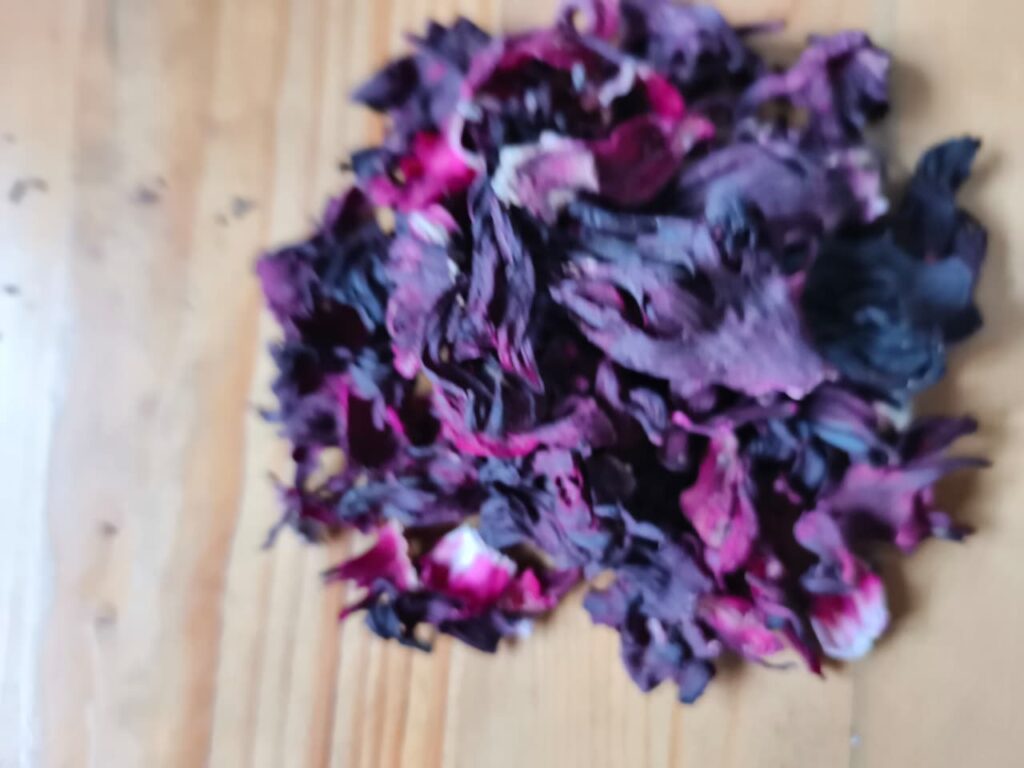
In the modern agricultural and wellness industries, natural plant products are gaining increasing importance. Among the many botanicals traded internationally, the hibiscus flower has emerged as one of the most valuable and versatile crops. Scientifically known as Hibiscus sabdariffa, hibiscus is recognized for its vibrant color, refreshing flavor, and wide range of health-supporting properties.
From traditional herbal drinks to large-scale international trade, hibiscus continues to expand its influence across global markets.
The Botanical Importance of Hibiscus
Hibiscus is a tropical plant belonging to the Malvaceae family and thrives in warm climates with adequate sunlight and rainfall. While the hibiscus genus includes many species, Hibiscus sabdariffa is the variety most widely cultivated for food and beverage purposes.
The plant produces thick red calyces that surround the flower. After harvest, these calyces are carefully dried to preserve their natural color, nutrients, and flavor. Once processed, dried hibiscus becomes a valuable ingredient used in teas, beverages, extracts, and natural food products.
Its deep red color and slightly tart taste have made hibiscus a favorite ingredient in herbal infusions worldwide.
Nutritional and Health Benefits
Hibiscus is widely appreciated for its natural nutritional profile and beneficial plant compounds. Traditional medicine has long recognized its potential health-supporting properties, and modern research continues to explore its benefits.
Rich in Antioxidants
Hibiscus contains anthocyanins and polyphenols, which help protect the body from oxidative stress and support overall cellular health.
Supports Heart Health
Hibiscus beverages are often associated with maintaining healthy blood pressure and promoting cardiovascular wellness.
Strengthens the Immune System
The plant provides vitamin C and other natural compounds that help support the body’s immune defenses.
Supports Digestive Health
In many cultures, hibiscus tea is consumed to aid digestion and promote metabolic balance.
A Beverage with Global Recognition
Hibiscus drinks have become popular across many regions of the world, each culture adding its own traditional preparation and name.
In West Africa, especially Nigeria, hibiscus beverage is widely known as Zobo. In Egypt and Sudan, it is called Karkade, while in Mexico it is famously referred to as Agua de Jamaica.
Despite these regional differences, the beverage remains the same refreshing herbal infusion enjoyed both hot and cold. Its naturally caffeine-free nature makes it a popular alternative to conventional teas and sugary soft drinks.
Hibiscus and International Trade
The rising global demand for herbal teas and natural ingredients has significantly increased the commercial value of hibiscus. Today, dried hibiscus flowers are exported worldwide and used in a wide range of industries including beverages, food processing, pharmaceuticals, and cosmetics.
International buyers seek hibiscus that has been properly cleaned, dried, and packaged to meet strict quality standards.
Exporters such as Ziha Universal Company Nig Limited help supply premium-quality dried hibiscus flowers to global markets. By maintaining professional standards in harvesting, sorting, drying, and packaging, reliable suppliers ensure consistent product quality for international customers.
Opportunities for Farmers and Exporters
Hibiscus cultivation offers strong economic opportunities, particularly in tropical regions where the plant grows naturally. The crop can be cultivated with relatively manageable farming practices and has strong demand in the international herbal market.
As global consumers continue to prefer natural and plant-based products, hibiscus is expected to remain an important agricultural commodity for years to come.
Conclusion
The hibiscus flower has become much more than a decorative plant. It is now a globally valued agricultural product with applications in health, nutrition, and industry.
Its vibrant color, refreshing flavor, and nutritional benefits have helped establish hibiscus as a key ingredient in the expanding natural wellness market.
As interest in natural products continues to grow worldwide, hibiscus will remain a powerful symbol of how traditional crops can create modern opportunities in global trade and agriculture.