
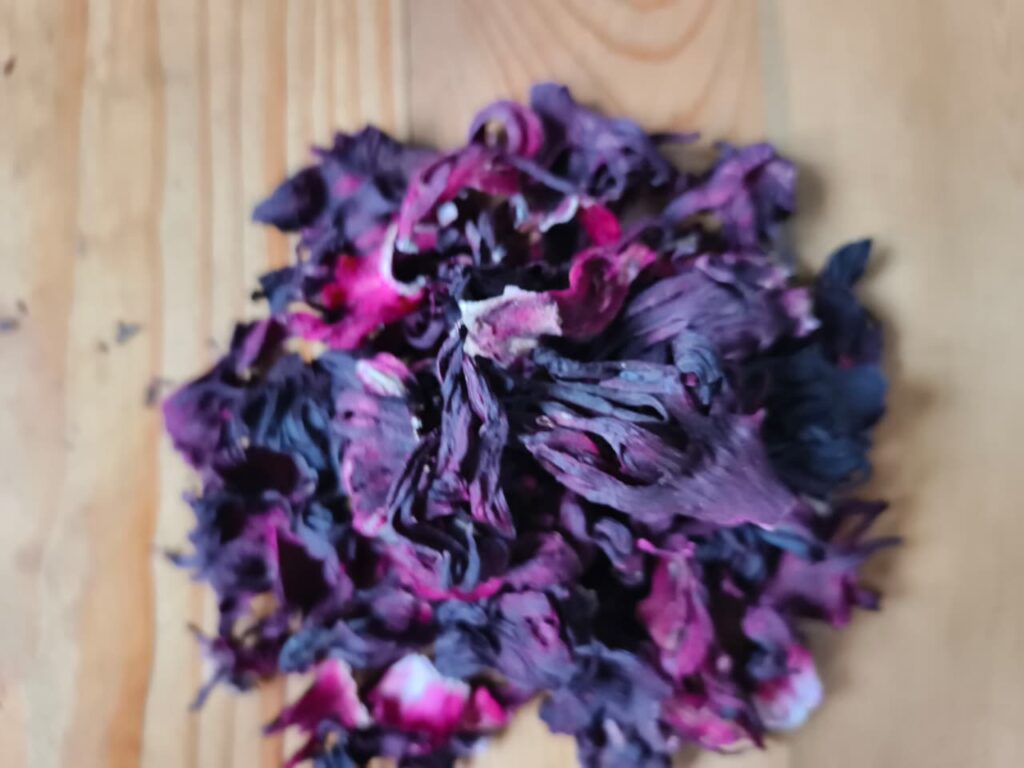
The global demand for natural agricultural products has expanded rapidly in recent years. Consumers, manufacturers, and beverage companies are increasingly turning to plant-based ingredients that offer both flavor and natural value. Among these ingredients, the hibiscus flower has become one of the most recognized and widely traded botanical products. Known scientifically as Hibiscus sabdariffa, hibiscus plays an important role in the herbal beverage industry and international agricultural markets.
Its striking red color and refreshing tart taste have made it a favorite ingredient for beverages enjoyed around the world.
The Botanical Nature of Hibiscus
Hibiscus is a tropical plant that thrives in warm climates with sufficient sunlight and well-drained soil. While many hibiscus varieties are cultivated for ornamental purposes, Hibiscus sabdariffa is grown primarily for its edible calyces.
Once the flower blooms, thick red calyces develop at the base of the flower. These calyces are harvested at maturity and carefully dried to maintain their natural color and quality. After drying, they become the raw material used in herbal teas, beverages, and natural food ingredients.
Proper handling and drying techniques are essential to preserve the freshness and purity of hibiscus products.
A Flower With a Distinct Identity
One of the most unique features of hibiscus is its natural flavor. When dried hibiscus calyces are infused in hot water, they produce a deep red beverage with a pleasantly tart and refreshing taste.
This flavor is often compared to cranberry, giving hibiscus drinks a distinctive character that sets them apart from other herbal beverages. Because of its natural acidity, hibiscus blends well with ingredients such as ginger, lemon, mint, and honey.
The result is a refreshing beverage enjoyed both hot and cold across different cultures.
Traditional Hibiscus Drinks Around the World
Hibiscus beverages have deep cultural roots in many parts of the world. Although preparation methods vary from region to region, the essential ingredient remains dried hibiscus calyces.
In Nigeria and several West African countries, the drink is popularly known as Zobo. In Egypt and Sudan it is widely referred to as Karkade, while in Mexico and parts of Central America it is known as Agua de Jamaica.
These traditional beverages demonstrate how hibiscus has become a shared cultural drink across continents.
Natural Qualities That Attract Consumers
Hibiscus has gained increasing attention not only because of its taste but also because of its natural compounds.
Plant-Based Antioxidants
Hibiscus contains anthocyanins that help protect the body from oxidative stress.
Heart Health Support
Hibiscus tea is often associated with helping maintain healthy blood pressure levels.
Vitamin C Source
The plant provides vitamin C, which contributes to strengthening the immune system.
Naturally Caffeine-Free
Hibiscus tea offers a refreshing beverage option without caffeine.
These characteristics have helped hibiscus gain popularity among people who prefer natural and herbal drinks.
Hibiscus in International Commerce
As demand for herbal beverages continues to grow, hibiscus has become an important agricultural export. Dried hibiscus flowers are used by tea manufacturers, beverage companies, and food producers around the world.
Ensuring high quality is essential in international trade. Hibiscus must be properly harvested, dried, sorted, and packaged to meet the expectations of global buyers.
Export companies such as Ziha Universal Company Nig Limited contribute to this market by supplying premium-quality dried hibiscus flowers to international partners.
Conclusion
The hibiscus flower has successfully evolved from a traditional herbal ingredient into a globally valued agricultural product. Its vibrant color, refreshing flavor, and natural properties have made it a key component of herbal beverages worldwide.
As the demand for natural and plant-based drinks continues to increase, hibiscus will remain an important crop supporting farmers, exporters, and beverage industries around the globe.
From local cultivation to international trade, hibiscus continues to prove its lasting value in the modern agricultural economy.