
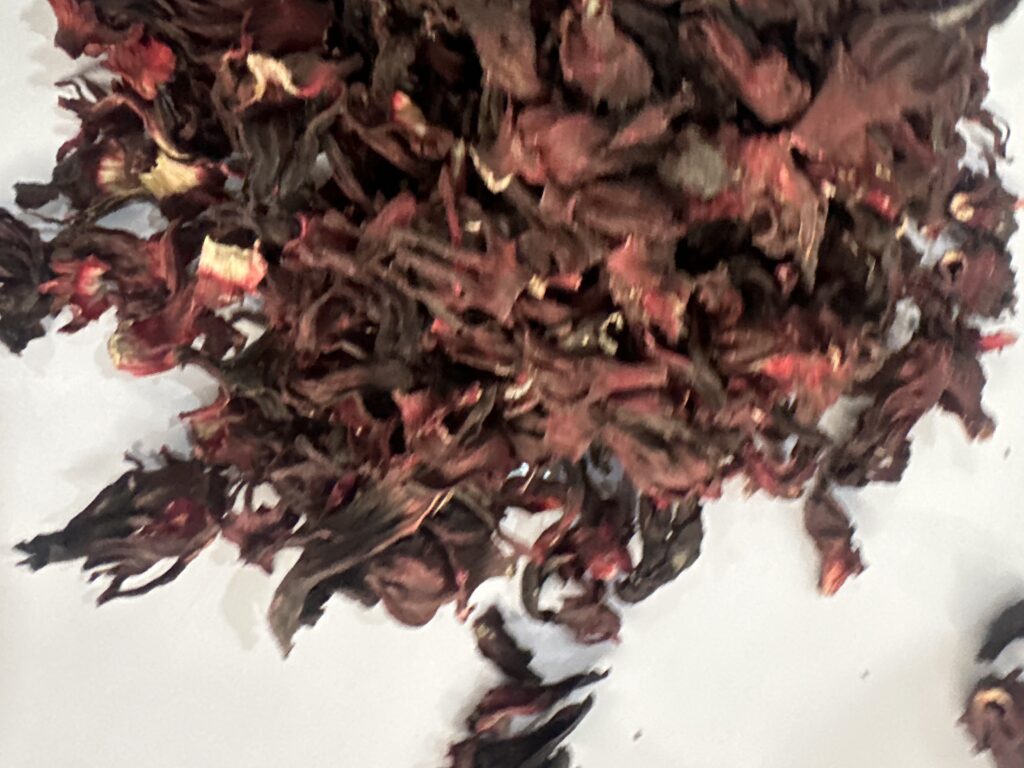
Hibiscus roselle (Hibiscus sabdariffa) operates within a global trade environment that demands reliability, consistency, and adaptability. Beyond efficiency and integration, supply chain resilience has become a key factor in sustaining market presence and meeting buyer expectations across international markets.
The Importance of Resilient Supply Chains
Resilience allows hibiscus roselle supply chains to withstand disruptions such as climate variability, logistics delays, and market fluctuations. Buyers increasingly seek suppliers who can maintain steady supply even under challenging conditions, making resilience a competitive advantage rather than an option.
Adaptive Production Planning
Resilient supply chains begin with flexible production planning. Diversified sourcing, adjusted planting schedules, and contingency harvesting plans help stabilize supply volumes. This adaptability reduces the risk of shortages and supports consistent export commitments.
Strengthened Post-Harvest Systems
Post-harvest resilience depends on controlled drying, secure storage, and routine quality monitoring. These systems protect hibiscus roselle from spoilage and quality degradation, ensuring that product standards are maintained even during extended storage or delayed shipments.
Risk-Aware Logistics Management
Logistics resilience involves selecting reliable transport partners, planning alternative routes, and maintaining clear communication throughout transit. Proactive logistics management minimizes delivery disruptions and safeguards buyer relationships.
Data and Visibility in Risk Management
Access to accurate data improves resilience. Monitoring inventory levels, shipment status, and quality indicators allows exporters to identify risks early and respond effectively. Transparency strengthens coordination across the supply chain.
Conclusion
Resilient supply chains enable hibiscus roselle to perform consistently in global trade despite uncertainty. By investing in adaptive production, robust post-harvest systems, and risk-aware logistics, exporters can protect product value and ensure long-term market stability. Supply chain resilience ultimately reinforces hibiscus roselle’s position as a dependable and trusted agricultural commodity worldwide.