
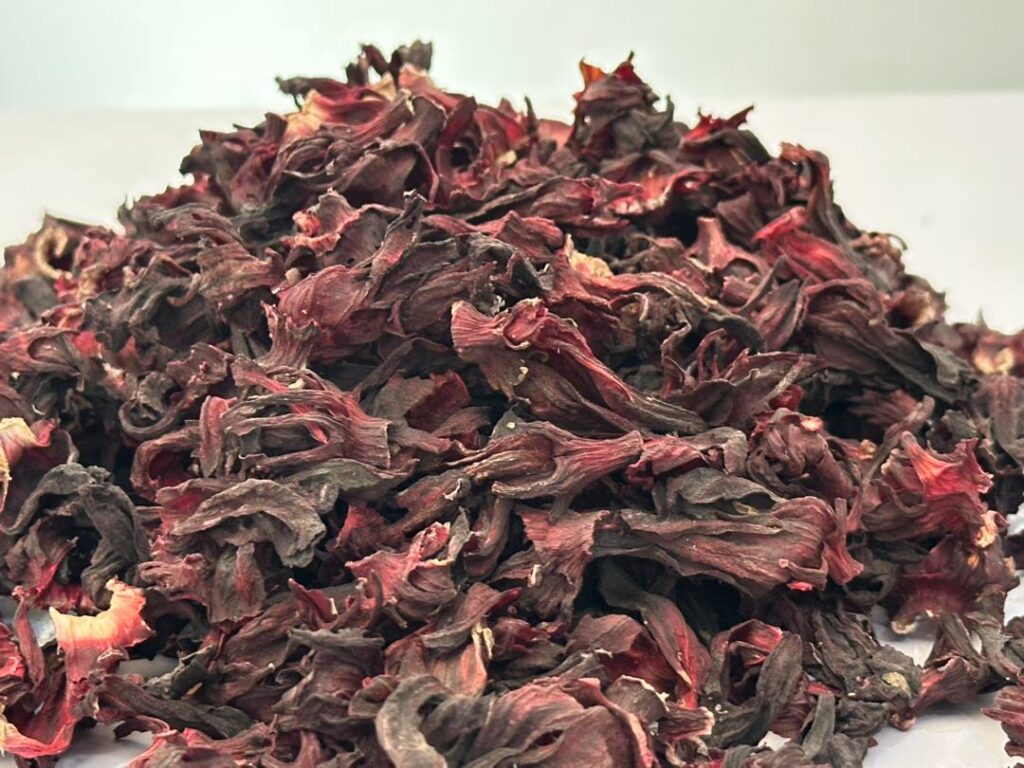
Hibiscus roselle (Hibiscus sabdariffa) has evolved into a globally traded agricultural product, but success in today’s market depends on more than production volume. Effective market positioning allows hibiscus roselle producers and exporters to compete on quality, reliability, and purpose rather than price alone.
The Importance of Market Positioning
Market positioning defines how a product is perceived by buyers. For hibiscus roselle, positioning determines whether it is viewed as a low-cost commodity or a premium natural ingredient. Clear positioning helps exporters attract the right buyers and build long-term trade relationships.
Quality as a Competitive Advantage
Consistent quality is one of the strongest positioning tools. Export-grade hibiscus roselle is characterized by uniform color, proper drying, and clean handling. When quality is stable, buyers are more willing to commit to repeat orders and long-term contracts.
Differentiation Through Purpose
Hibiscus roselle can be positioned for specific uses such as:
- Beverage and tea manufacturing
- Natural coloring applications
- Wellness and botanical products
Targeting a clear purpose allows suppliers to tailor processing standards and communicate value more effectively to buyers.
Storytelling and Origin Value
Buyers increasingly value traceability and origin. Communicating where and how hibiscus roselle is grown adds credibility and emotional value. Origin-based positioning can strengthen brand recognition and support premium pricing.
Reliability and Supply Consistency
In global trade, reliability is as important as quality. Consistent supply schedules, clear documentation, and professional communication all contribute to strong market positioning.
Conclusion
Hibiscus roselle succeeds in competitive markets when it is positioned with clarity and purpose rather than sold as a generic commodity. By consistently emphasizing product quality, defined end-use applications, clear origin, and dependable supply, producers and exporters can create strong differentiation in the global marketplace. This strategic positioning builds buyer confidence, supports long-term partnerships, and reduces dependence on price-based competition.
As global demand continues to favor natural, plant-based, and traceable ingredients, hibiscus roselle holds strong potential to move into premium and value-driven market segments. When supported by proper processing standards, professional market communication, and reliable logistics, hibiscus roselle becomes more than an agricultural product it becomes a trusted ingredient within international supply chains. Through strategic positioning, hibiscus roselle can achieve sustainable growth, stable demand, and lasting relevance in global trade.