
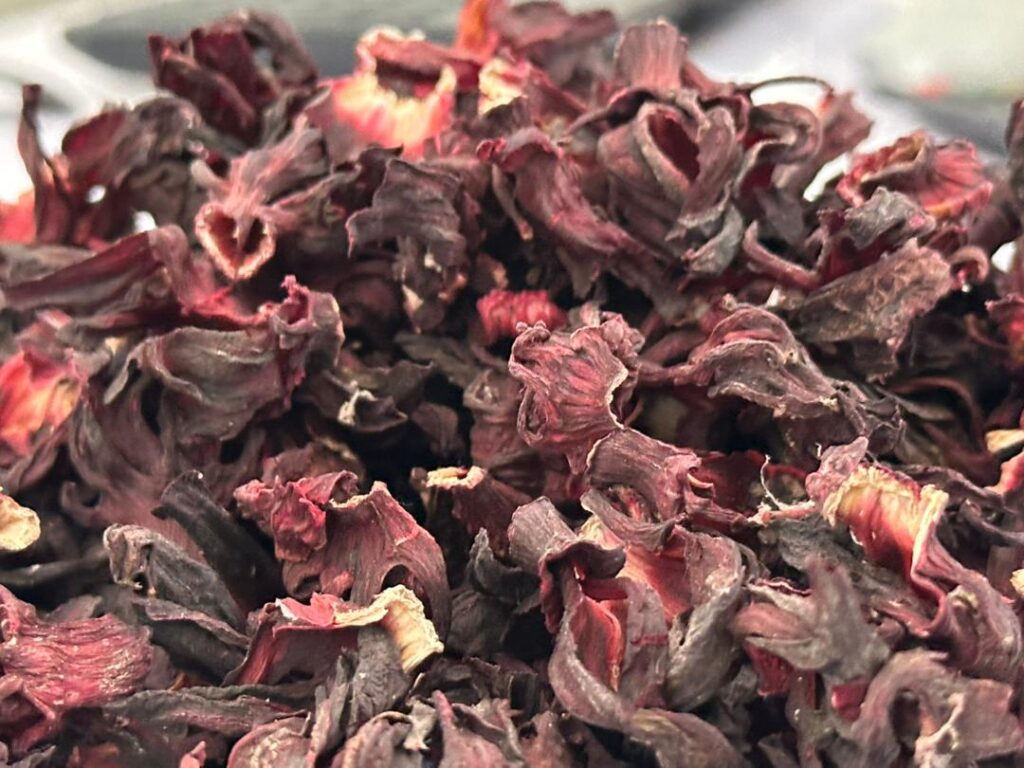
Hibiscus roselle (Hibiscus sabdariffa) is gaining attention as a climate-resilient agricultural crop capable of supporting farmers in the face of changing environmental conditions. As climate variability increasingly affects traditional farming systems, hibiscus roselle offers a practical alternative due to its adaptability, efficiency, and growing market demand.
Natural Resilience in Cultivation
Hibiscus roselle is well adapted to warm climates and can tolerate periods of limited rainfall once established. Its growth cycle allows it to fit into seasonal farming patterns, making it suitable for regions experiencing unpredictable weather. This resilience helps farmers reduce risk while maintaining productive yields.
Efficient Use of Resources
Compared to many conventional crops, hibiscus roselle can be cultivated with relatively moderate input requirements. It performs well in less intensive farming systems, allowing producers to manage costs while maintaining output. This efficiency supports both environmental sustainability and economic stability for growers.
Supporting Climate-Smart Agriculture
Hibiscus roselle aligns with climate-smart agriculture principles by:
- Adapting to variable weather conditions
- Supporting crop diversification
- Enhancing farm resilience through alternative income sources
By integrating hibiscus roselle into existing farming systems, farmers can reduce dependence on climate-sensitive monocrops.
Market Stability and Risk Reduction
The steady global demand for hibiscus roselle provides farmers with a reliable market, reducing financial uncertainty linked to climate impacts. This combination of agronomic resilience and market stability makes hibiscus roselle a strategic crop in climate adaptation planning.
A Forward-Looking Agricultural Solution
As governments, organizations, and agribusinesses seek crops that support environmental adaptation and economic growth, hibiscus roselle continues to gain recognition. Investment in improved seeds, farming techniques, and post-harvest handling can further enhance its climate resilience.
Conclusion
Hibiscus roselle represents a strong example of how agriculture can adapt to climate challenges without sacrificing market value. Its resilience, efficiency, and global demand position it as a reliable crop for farmers navigating changing environmental conditions while contributing to sustainable agricultural systems.