
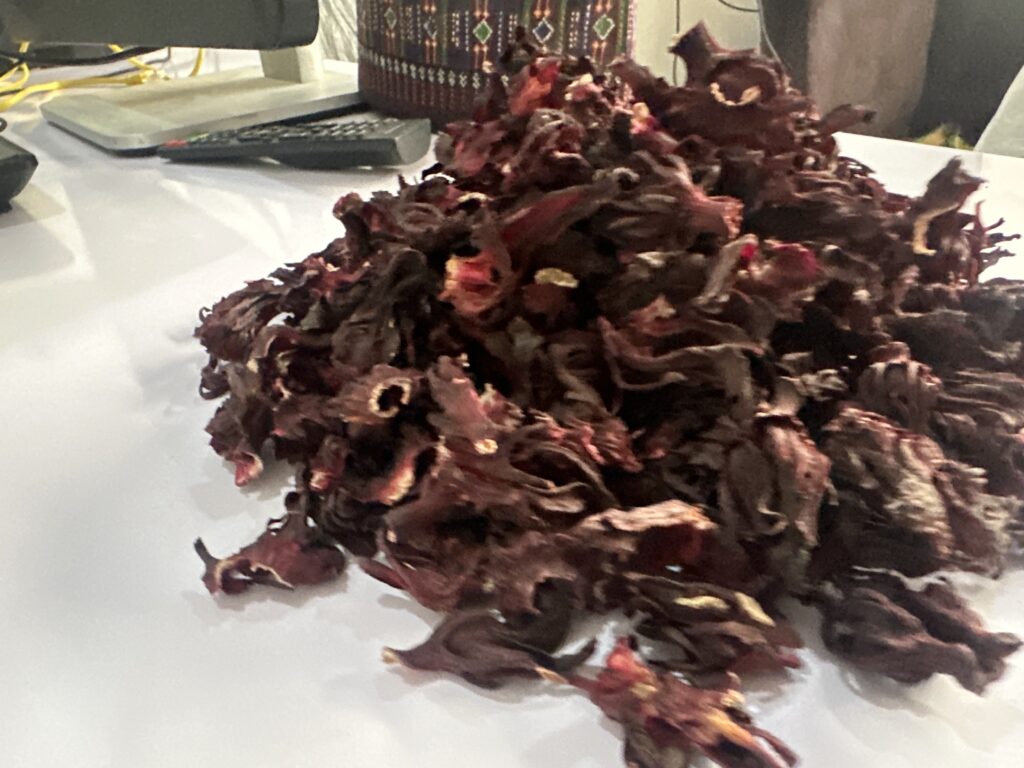
Hibiscus roselle (Hibiscus sabdariffa) is one of the most valuable natural crops in the global agricultural market. Known for its deep red color, tangy flavor, and wide range of applications, hibiscus roselle has become a highly demanded commodity across food, beverage, pharmaceutical, and cosmetic industries.
Grown mainly in tropical and subtropical regions, hibiscus roselle thrives in countries like Nigeria, Sudan, Mexico, and parts of Asia. Nigeria, in particular, is recognized as one of the leading producers and exporters of dried hibiscus flowers due to favorable climate conditions and experienced farmers.
Why Hibiscus Roselle Is in High Global Demand
Hibiscus roselle is widely used in:
- Herbal teas and beverages
- Natural food coloring and flavoring
- Traditional and modern herbal medicine
- Cosmetic and wellness products
Its natural antioxidants, vitamin C content, and refreshing taste have made it popular among health-conscious consumers worldwide. As global demand for natural and plant-based products continues to grow, hibiscus roselle remains a preferred ingredient for international manufacturers.
Hibiscus Roselle Export Quality and Processing
For export markets, quality is critical. Premium hibiscus roselle is carefully harvested, properly dried, and sorted to maintain its natural color, aroma, and purity. Export-grade hibiscus must meet international standards regarding moisture level, cleanliness, and packaging to ensure long shelf life and safe transportation.
Nigeria’s hibiscus exporters focus on proper post-harvest handling and efficient supply chains to meet the requirements of buyers in Europe, Asia, Australia, the Middle East, and North America.
Economic Importance of Hibiscus Roselle
Hibiscus roselle plays an important role in supporting rural livelihoods and non-oil exports. The crop provides income for smallholder farmers and contributes to foreign exchange earnings. As governments and private exporters continue to promote agricultural exports, hibiscus roselle stands out as a sustainable and profitable commodity.
Hibiscus Roselle in International Trade
In global trade, hibiscus roselle is valued for its consistency, versatility, and growing consumer awareness. Buyers prefer reliable suppliers who can offer steady volumes, transparent documentation, and compliance with export regulations such as phytosanitary certification and quality inspection.
With rising interest in herbal products and natural beverages, hibiscus roselle is expected to maintain strong demand in the international market for years to come.
Conclusion
Hibiscus roselle is more than a traditional crop it is a globally traded agricultural product with strong commercial value. Its wide applications, health benefits, and increasing international demand make it a strategic export commodity. For buyers seeking natural, high-quality plant products, hibiscus roselle remains a trusted and competitive choice in global trade.