
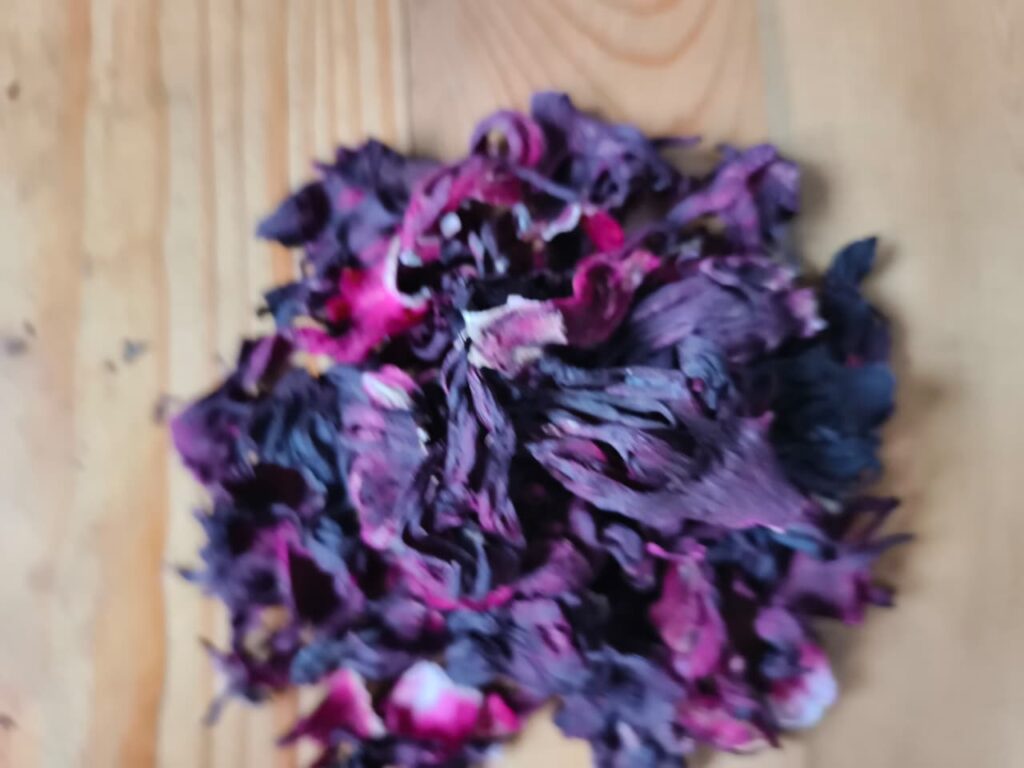
Natural ingredients are becoming increasingly important in today’s global food and beverage industry. Consumers are paying closer attention to what they drink, often choosing herbal beverages made from plants instead of artificial products. Among the many plants used in natural drinks, the hibiscus flower stands out for its vibrant color and refreshing taste. Scientifically known as Hibiscus sabdariffa, hibiscus has become one of the most widely used botanical ingredients in herbal beverages worldwide.
From traditional communities to international markets, hibiscus continues to gain recognition as both a cultural and commercial crop.
The Agricultural Story of Hibiscus
Hibiscus is a tropical plant that grows best in warm regions with fertile soil and plenty of sunlight. Farmers cultivate Hibiscus sabdariffa mainly for its fleshy red calyces, which develop after the flower blooms.
These calyces are carefully harvested and then dried to preserve their natural flavor, color, and nutrients. Proper drying is essential because it ensures that the hibiscus remains suitable for long-term storage and transportation.
Once dried, hibiscus calyces are ready to be used in herbal tea production and various food products.
The Distinctive Flavor of Hibiscus
One of the most appealing features of hibiscus is its unique taste. When the dried calyces are infused in hot water, they produce a deep red drink with a pleasantly tart flavor.
This flavor is often compared to cranberry, giving hibiscus beverages a refreshing and slightly fruity character. Because of this refreshing quality, hibiscus drinks are enjoyed both hot and cold.
In addition, hibiscus tea is naturally caffeine-free, making it an excellent choice for those looking for a healthy alternative to coffee or carbonated drinks.
Cultural Significance of Hibiscus Beverages
Hibiscus drinks have been part of traditional diets in many cultures for generations. Each region has developed its own name and preparation style for the beverage.
In Nigeria and several West African countries, the drink is popularly known as Zobo. In Egypt and Sudan it is called Karkade, while in Mexico and other parts of Latin America it is widely referred to as Agua de Jamaica.
These traditional drinks highlight how hibiscus has connected cultures through a shared appreciation for natural herbal beverages.
Natural Nutritional Components
Hibiscus is valued not only for its taste but also for the beneficial compounds it contains.
Antioxidants
Hibiscus contains anthocyanins that help protect the body from oxidative stress.
Heart Health Support
Hibiscus tea is often associated with helping maintain healthy blood pressure levels.
Vitamin C
The plant contains vitamin C, which helps support the immune system.
Caffeine-Free Refreshment
Because hibiscus tea contains no caffeine, it offers a refreshing beverage suitable for daily consumption.
These natural qualities have contributed to the growing demand for hibiscus in health-conscious markets.
Hibiscus in Global Trade
With the increasing popularity of herbal beverages, hibiscus has become a valuable agricultural export. Many beverage manufacturers and tea companies depend on high-quality dried hibiscus flowers as a key ingredient in their products.
To meet international standards, hibiscus must be carefully harvested, dried, cleaned, and packaged before export.
Exporters such as Ziha Universal Company Nig Limited help supply premium-quality dried hibiscus flowers to buyers around the world, supporting the expanding global hibiscus market.
Conclusion
The hibiscus flower demonstrates how a traditional plant can evolve into a globally valued agricultural product. Its vibrant appearance, refreshing taste, and natural benefits have made it an essential ingredient in herbal beverages worldwide.
As demand for natural and plant-based drinks continues to grow, hibiscus will remain an important crop connecting farmers, businesses, and consumers across continents.
From tropical farms to international markets, hibiscus continues to prove its lasting value in the modern beverage industry.