
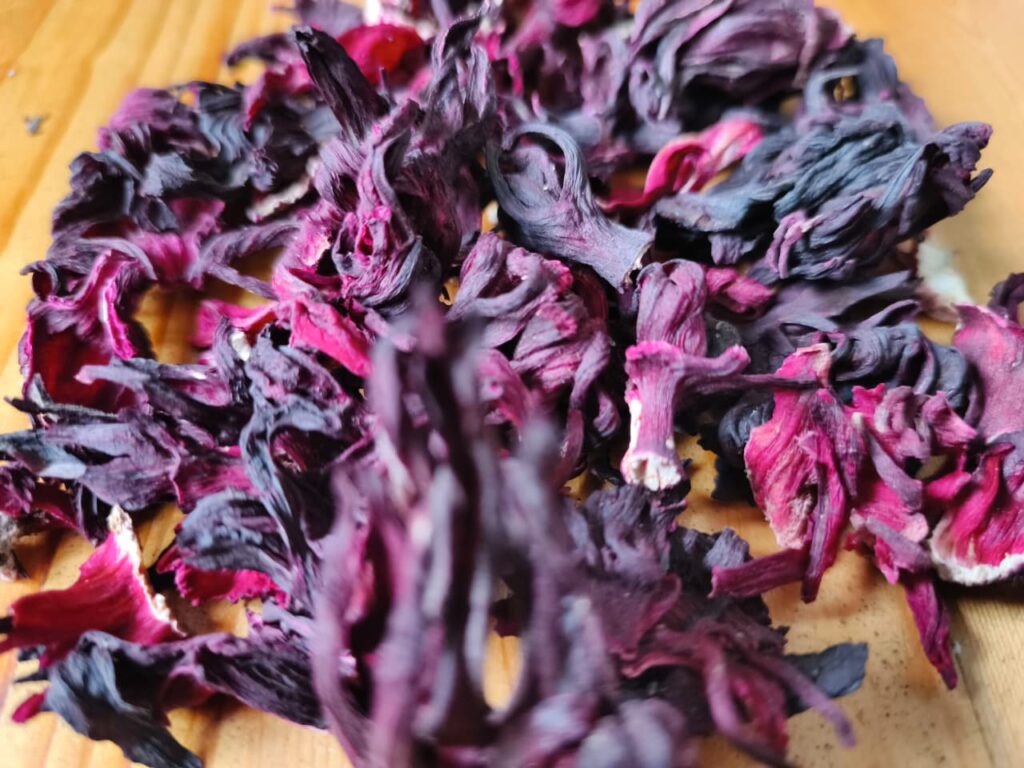
The hibiscus flower has become one of the most recognized botanical ingredients in today’s natural product industry. With its bold red color, refreshing tart flavor, and impressive functional properties, hibiscus has successfully transitioned from a traditional herbal remedy to a globally traded agricultural commodity.
As consumers seek healthier lifestyles and plant-based alternatives, hibiscus continues to rise in popularity across continents.
The Botanical Foundation
Hibiscus is part of the genus Hibiscus, which includes a wide range of flowering plants cultivated in tropical and subtropical climates. The most commercially important species is Hibiscus sabdariffa, commonly known as Roselle.
This species is specifically grown for its fleshy red calyces. After harvesting, the calyces are carefully dried to preserve their deep color and nutritional value. These dried calyces form the raw material used in tea production, food processing, and herbal formulations worldwide.
A Functional Ingredient for Modern Consumers
Hibiscus stands out because it offers both flavor and function.
Naturally Rich in Antioxidants
Hibiscus contains anthocyanins and other plant compounds known for their antioxidant activity. These compounds help combat oxidative stress and support overall well-being.
Supporting Cardiovascular Wellness
Hibiscus tea has gained global recognition for its potential role in supporting healthy blood pressure levels, making it a popular choice among health-conscious consumers.
Refreshing and Caffeine-Free
Unlike many commercial beverages, hibiscus tea is naturally caffeine-free, offering a refreshing option without stimulants.
Digestive and Hydration Benefits
Traditionally used to support digestion and hydration, hibiscus has long been valued in herbal practices around the world.
Expanding Applications Across Industries
While hibiscus tea remains the most common product, the flower’s commercial applications are expanding rapidly:
- Herbal tea blends and ready-to-drink beverages
- Natural flavoring and coloring agents in food products
- Nutraceutical supplements in capsule or powder form
- Cosmetic and skincare formulations
- Functional wellness products
This multi-industry demand strengthens its long-term market stability.
Quality as the Key to Global Success
In international trade, quality determines competitiveness. Premium export-grade hibiscus is characterized by:
- Uniform deep red color
- Low moisture content
- Minimal foreign matter
- Hygienic drying and packaging
- Compliance with food safety standards
Buyers in Europe, North America, the Middle East, and Asia increasingly demand traceability and quality assurance from suppliers.
Economic and Agricultural Value
Hibiscus farming provides economic opportunities for growers in tropical regions. The crop adapts well to warm climates and offers relatively low production costs compared to many other export commodities.
For exporters and agribusiness investors, hibiscus presents:
- Growing global demand
- Diverse product formats
- Long shelf stability
- Attractive export margins
With proper post-harvest handling and grading, hibiscus can command premium prices in international markets.
Looking Ahead
As global consumers continue to embrace natural wellness solutions, hibiscus is well positioned for long-term growth. Its combination of traditional heritage, scientific interest, and commercial versatility makes it one of the most promising botanical products in the global marketplace.
Hibiscus is not just a flower. It is a bridge between agriculture, health, and international trade a crimson symbol of how nature continues to shape modern industry.